





6 Clichs from Pakistani TV serials that prove they're just as stereotypical as Indian ones!
The advent of Pakistani serials on Indian television is no less than a game changer. Taut stories, subtle acting , realistic plots and limited number of episodes in comparison to their loud, over-the-top and fantastical Indian counterparts have made them much loved and admired even with younger audiences. But even Pakistani serials aren't spared some typical "clichs" and be it Zindagi Gulzar Hai or Humsafar, these points stay just the same in each! Wondering what they are? Here, take a look at the top 6.
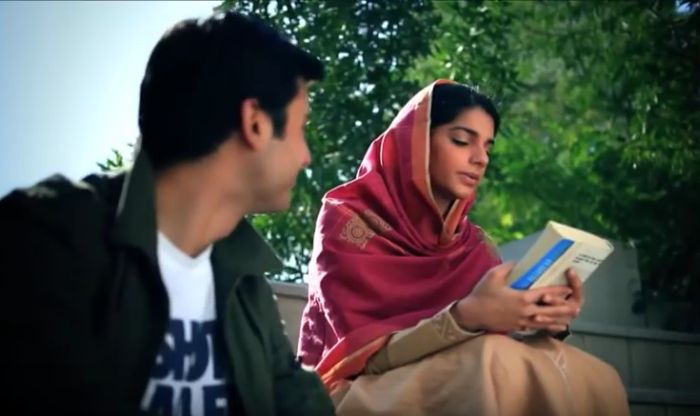
1) Book adaptations
Most of the dramas are adaptations of novels by great Urdu writers. While it is Bollywood in India that is obsessed with book adaptations, in Pakistan the trend has already reached the small screen. Sometimes, it is series of the writings that have been adapted like Zindagi Gulzar Hai, Shehr-e-Zaatand Maat by Umera Ahmed or even Humsafar and Mata-e-Jaan Hai Tu by Farhat Ishtiaq; some of them stick to just one story by a writer. Whatever the case, we aren't complaining as the stories are superb!
2) Sister Act
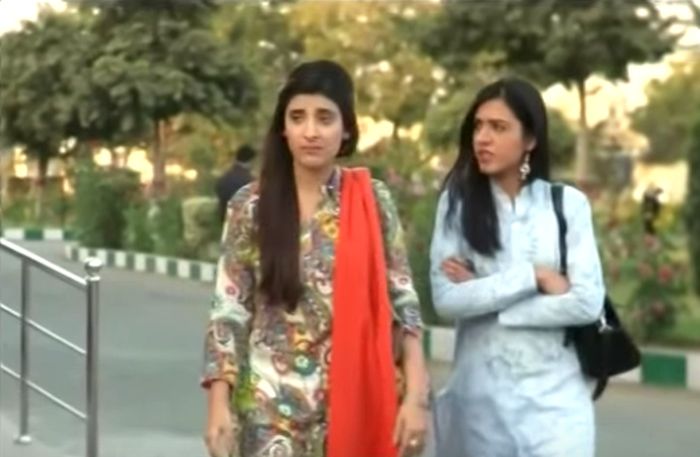
While the Hindi small screen in India is dominated by the saas-bahu sagas, most of the Pakistani soaps seem to be in love with sisterly frenemies. Almost all of them are stories of two warring or completely opposite sisters who don't get along with each other. Remember the Bollywood Seeta-Geeta or Anju-Manju? Pretty much like that. While in Maat you have Aiman vs Saman; Madiha Maliha, talks of the sisterly relations in the title itself! Bollywood 90s, eh?
3) Cousin Marriage
You can go "Ewww incest" all you want but it's like everybody in Pakistani serials is obsessed with marrying their cousins! Yes, we get that the men are totally and absolutely hot (I mean look at Fawad. Just look!) but hey, they're cousins! Try hitting on the cousins friend maybe? With all the hotness the TV shows depict, we're sure the friends aren't exactly lame. Here's some examples: Humsafar (Asher andKhirad), Dil-e Muztar (Adeel and Sila), Akbari Asghari (Aiza and Hammad) and Mera Naseeb (Shazia andNazia) A single show exploring the concept, we can digest. But every second show revolving around the country's unhealthy obsession with marriages quite gives us the creeps! Dial M for Marriage?
4) Dining table talk
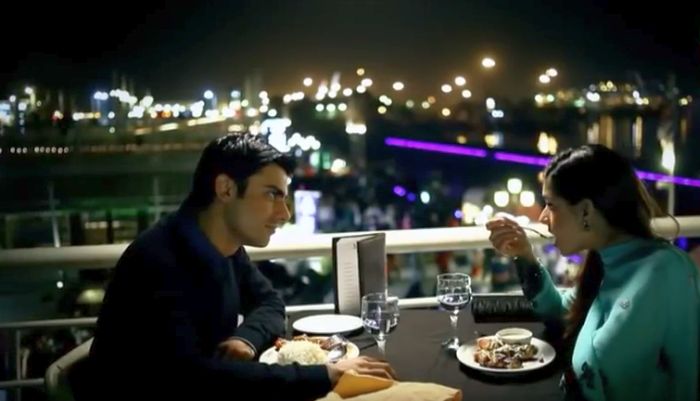
It is a funny observation but most of the scenes in Pakistani serials revolve around the dining table - having conversations, fights and discussions over a scrumptious Muslim meal. Actually, here's where we can see that India and Pakistan aren't really different. For both there's nothing like a good family meal to bond the members together! Go back to the opening sequence of Zindagi Gulzar Hai, where Zaroons (Fawad Khan) character was introduced as his family was conversing over a delicious meal. Even inBehadd, during the scene where Masooma (Nadia Jamil) tries to set up Jamal (Fawad Khan) with his colleague's cousin there's a lavish lunch sequence with the characters indulging in a banter over chicken and leafy vegetables. Pakistani dramas just prove the point "A family that eats together stays together".
5) Patriarchy Rules
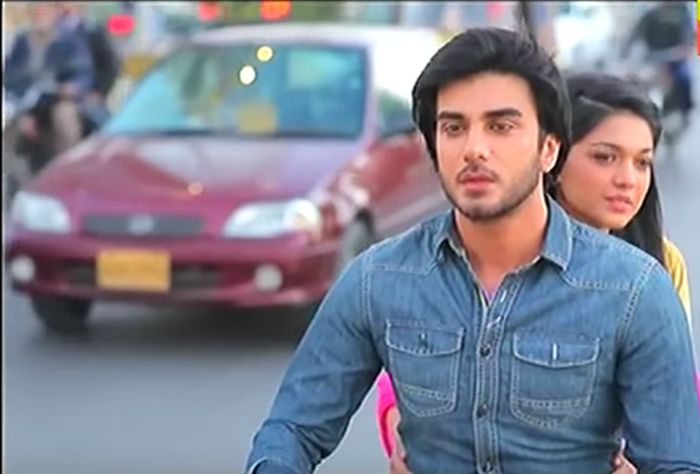
Following the footsteps of their neighbours, really. We can't blame them here looking at all the patriarchal rubbish we Indians are fed in our dramas. Pakistani serials, though female centric when it comes to certain areas, the men of the house rule the roost. For instance in Mastana Mahi the male lead marries a woman half his age because his first wife is unable to bear kids. In Dil-e-Muztar, Adeel (Imran Abbas) dumps his wife Sila (Sanam Jung) to marry another woman Zoya (Sarwat Gilani) but when it comes to the child, he wants claim on the baby! God save the Viewers!
6) Typical endings
However wonderfully scripted and enacted Pakistani serials be, most of them turn out to be damp squibs because of their "typical clichd endings". For instance in Humsafar, Khirad (Mahira Khan) forgives Asher (Fawad Khan) all his doings despite vowing that she would never return to him again. InShehr-e-Zaat, Falak (Mahira Khan) accepts her infidel husband Salman ( Mikaal zulfiqar) after he dumps her to marry another woman who aborts his baby, robs him off his wealth and eventually dumps him. The typical endings are downright offensive and regressive to the other wise well etched and progressive plots. But then, since it's all about "love conquers all", we guess we swallow them like a bitter pill.
But weird or not, they sure offer a great respite from the random Indian fare and hey, we aren't complaining!
- By Anwaya Mane.








 Kumkum Bhagya
 Hollywood
 Anupamaa
 Health and Fitness

