
INNER CONNECT 🤓 14.2
MAIRAS TRAUMA 15.2
Yrkkh is DEAD

🏏ICC Men's T20 W C 2026: Group A, M 27: India vs Pak at Colombo🏏
🏏ICC Men's T20 World Cup 2026: M24: SA vs NZ at Ahmedabad🏏
Abhira ki Brain Surgery
DKP Tone it Down!
🏏ICC Men's T20 World Cup 2026: M23: ENG vs Scotland at Kolkata🏏
Do Makers Hate Abhira?
🏏ICC Men's T20 World Cup 2026: M25: WI vs NEP at Mumbai🏏
🏏ICC Men's T20 World Cup 2026: M 26: USA vs NAM at Chennai🏏

Happy Valentine's Day
🏏India Women tour of Australia 2026: 1st T20I in Sydney🏏
🏏ICC Men's T20 World Cup 2026: M22: IRE vs Oman at Colombo🏏
Kareena is so natural and real
RK loved Dhurandhar and Alia in black
Ranbir Kapoor new interview arks live instagram




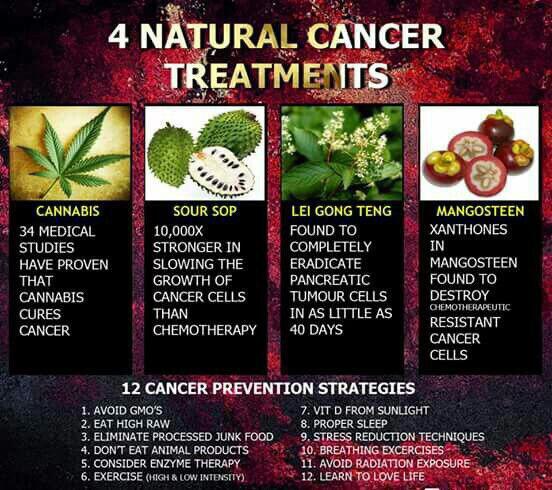
Suit yourself people. People around the world are singing the praises of cannabis. Just spreading around the information.
Take it or leave it.

Originally posted by: ibnbatuta
I thought cannabis was pretty common news. Suckling ladies' titties...😆. Yeah, you wish. 😆
Yes, in lala land, it is a crime to possess cannabis but it's perfectly legal for MPs to abuse little kids. We got your back, mate. Files out only after you're dead and if you alive God forbid like Lord Janner, just plead Alzheimer's or something.🤢
Originally posted by: Deepthought
IMO you have a very confused attitude and need to address what's said/writtten.Who said it is legal for MPs to abuse kids? Is that what the law says?If you are concerned about abuse of power, then why not suggest how it can be prevented?The fact that people using cannabis are breaking the law is not in dispute. Does this not suggest either more vigorous pursuit of lawbreakers, or the alternative of changing the law?We have laws against theft and all sorts of other activities deemed illegal. Should we give up catching the lawbreakers or just throw up our hands and give up?
Atrazine, which the U.S. Environmental Protection Agency says is estimated to be the most heavily used herbicide in the U.S., was banned in Europe in 2003 due to concerns about its ubiquity as a water pollutant. Also widely used by U.S. farmers are several neonicotinoid pesticides that the European Commission says pose "high acute risks" to bees and has placed under a two-year moratorium. These pesticides " with which about 90 percent of the corn planted in the U.S. is treated " have been identified in numerous scientific studies as toxic to bees and are considered likely contributors to the alarming global decline of these essential pollinators.
The U.S. Food and Drug Administration places no restrictions on the use of formaldehyde or formaldehyde-releasing ingredients in cosmetics or personal care products. Yet formaldehyde-releasing agents are banned from these products in Japan and Sweden while their levels " and that of formaldehyde " are limited elsewhere in Europe. In the U.S., Minnesota has banned in-state sales of children's personal care products that contain the chemical.
Use of lead-based interior paints was banned in France, Belgium and Austria in 1909. Much of Europe followed suit before 1940. It took the U.S. until 1978 to make this move, even though health experts had, for decades, recognized the potentially acute " even deadly " and irreversible hazards of lead exposure.
These are but a few examples of chemical products allowed to be used in the U.S. in ways other countries have decided present unacceptable risks of harm to the environment or human health. How did this happen? Are American products less safe than others? Are Americans more at risk of exposure to hazardous chemicals than, say, Europeans?"
Not surprisingly, the answers are complex and the bottom line, far from clear-cut. One thing that is evident, however, is that "the policy approach in the U.S. and Europe is dramatically different," says Stacy Malkan, co-founder of the Campaign for Safe Cosmetics."
Okay, I will spell it out for you s.lo.wly. Govts don't seem to agree on things that are harmful from one country to the next. So, who's govt are we supposed to trust?
Medical cannabis is now legal in many states of the US with BIG PHARMA jumping into the fray as well. So you're not even breaking the law by using cannabis in some countries now. Always been legal in India anyway.
If anything doesn't make sense to you,just read this again s.lo.wly. sl..ow..ly.
Originally posted by: ibnbatuta
Prozac is far more harmful and it's legal. Do you know how many chemicals are banned in other countries but considered safe in the US?https://ensia.com/features/banned-in-europe-safe-in-the-u-s/"In the United States, children can drink fruit juice beverages made with Red Dye No. 40 and eat macaroni and cheese colored with Yellow Dye No. 5 and No. 6. Yet in the U.K., these artificial colorings have been taken off the market due to health concerns, while in the rest of Europe, products that contain them must carry labels warning of the dyes' potential adverse effect on children's attention and behavior.Atrazine, which the U.S. Environmental Protection Agency says is estimated to be the most heavily used herbicide in the U.S., was banned in Europe in 2003 due to concerns about its ubiquity as a water pollutant. Also widely used by U.S. farmers are several neonicotinoid pesticides that the European Commission says pose "high acute risks" to bees and has placed under a two-year moratorium. These pesticides " with which about 90 percent of the corn planted in the U.S. is treated " have been identified in numerous scientific studies as toxic to bees and are considered likely contributors to the alarming global decline of these essential pollinators.
The U.S. Food and Drug Administration places no restrictions on the use of formaldehyde or formaldehyde-releasing ingredients in cosmetics or personal care products. Yet formaldehyde-releasing agents are banned from these products in Japan and Sweden while their levels " and that of formaldehyde " are limited elsewhere in Europe. In the U.S., Minnesota has banned in-state sales of children's personal care products that contain the chemical.
Use of lead-based interior paints was banned in France, Belgium and Austria in 1909. Much of Europe followed suit before 1940. It took the U.S. until 1978 to make this move, even though health experts had, for decades, recognized the potentially acute " even deadly " and irreversible hazards of lead exposure.
These are but a few examples of chemical products allowed to be used in the U.S. in ways other countries have decided present unacceptable risks of harm to the environment or human health. How did this happen? Are American products less safe than others? Are Americans more at risk of exposure to hazardous chemicals than, say, Europeans?"
Not surprisingly, the answers are complex and the bottom line, far from clear-cut. One thing that is evident, however, is that "the policy approach in the U.S. and Europe is dramatically different," says Stacy Malkan, co-founder of the Campaign for Safe Cosmetics."
Okay, I will spell it out for you s.lo.wly. Govts don't seem to agree on things that are harmful from one country to the next. So, who's govt are we supposed to trust?
Medical cannabis is now legal in many states of the US with BIG PHARMA jumping into the fray as well. So you're not even breaking the law by using cannabis in some countries now. Always been legal in India anyway.
If anything doesn't make sense to you,just read this again s.lo.wly. sl..ow..ly.









 Anupamaa

