




Posted:
- Y
Punjab shot itself in the foot by rejecting Persian, Urdu'
TNN | Mar 4, 2018, 08:09 IST
- Google Plus
- SMS
- SHARE
State finance minister Manpreet Singh Badal, who is a history buff, strongly believes that Punjab made a massive mistake after Partition when it rejected the Persian script and Urdu language. According to him, the abolition of Persian script made Punjab into a cultural orphan as most of the Punjabi literature of the past 500 years has been written in it.
Speaking to TOI recently, he said, "Can you imagine what would have happened had Dr Gopi Chand Bhargav (the first CM of Punjab after Independence) said that we will continue with Urdu for the next 25 years and then take a decision? I would dare to say that there would have been no regional formula, today, no Haryana, no sharing of river waters and no terrorism...
He says that the first file that was generated after Independence out of the Punjab Secretariat on August 16, 1947 was a small note that abolished Urdu as a medium of instruction in state institutions. "People protested when the circular was issued, says Manpreet. "They had come from Pakistan, there were no books there were no teachers (to teach the children who had studied in Urdu), but Bhargav went ahead with his decision.
Manpreet believes that this sowed the first seeds of a political battle over language in the region. "Once this happened, a fight erupted between two very distinct regions of Punjab on whether to use Hindi or Punjabi and it was finally resolved in 1956 that opted for a twolanguage formula. The region that is now Haryana, said they would have Hindi, and the region that is today Punjab, decided to stay with Punjabi. But this kept simmering and by 1966, ie in another 10 years, they had bifurcated Punjab.
Manpreet also believes that without all of these issues, it was likely that Punjab would not have seen rise of terrorism, as well. "The havoc that terrorism was able to wreak on Punjab, even the Partition could not, he insists.
Allowing his imagination to speculate a little, he adds, "Can you imagine where Punjab would have been today, had all this not happened? We would have had 13 MPs from Punjab, 10 from Haryana, four from Himachal and one from Chandigarh in the Lok Sabha. And you would have had 20 MPs in the Rajya Sabha. Around 50 MPs from one state would have been a huge pressure group. Nobody takes Punjab or Haryana or Himachal seriously (in Delhi) because kisi ke char hain, kisi ke dus hain, kisi ke terah... Dafa ho jaa. If Chandrababu Naidu can create a panga every day it is because Andhra Pradesh is a big state.
He also says that with the loss of Lahore, Punjab became a cultural orphan. "Hum to yatim ho gaye... The culture of Lahore could never transplant itself in East Punjab. We have, in fact, been left with no culture. And by culture I mean the language, dance, literature.
Manpreet adds that people in Punjab think that Bhangra is their only dance. But Punjab had other dances. "We had Luddi, we had Sammi, we had Jhummar... I think that Punjabi poetry at its finest can give a run to the finest Urdu poetry. I sincerely believe the Persian script should have been retained. Many people at the time saw it as an Islamic script, but I don't see it that way... I think Punjab shot itself in the foot by rejecting it.
Speaking to TOI recently, he said, "Can you imagine what would have happened had Dr Gopi Chand Bhargav (the first CM of Punjab after Independence) said that we will continue with Urdu for the next 25 years and then take a decision? I would dare to say that there would have been no regional formula, today, no Haryana, no sharing of river waters and no terrorism...
He says that the first file that was generated after Independence out of the Punjab Secretariat on August 16, 1947 was a small note that abolished Urdu as a medium of instruction in state institutions. "People protested when the circular was issued, says Manpreet. "They had come from Pakistan, there were no books there were no teachers (to teach the children who had studied in Urdu), but Bhargav went ahead with his decision.
Manpreet believes that this sowed the first seeds of a political battle over language in the region. "Once this happened, a fight erupted between two very distinct regions of Punjab on whether to use Hindi or Punjabi and it was finally resolved in 1956 that opted for a twolanguage formula. The region that is now Haryana, said they would have Hindi, and the region that is today Punjab, decided to stay with Punjabi. But this kept simmering and by 1966, ie in another 10 years, they had bifurcated Punjab.
Manpreet also believes that without all of these issues, it was likely that Punjab would not have seen rise of terrorism, as well. "The havoc that terrorism was able to wreak on Punjab, even the Partition could not, he insists.
Allowing his imagination to speculate a little, he adds, "Can you imagine where Punjab would have been today, had all this not happened? We would have had 13 MPs from Punjab, 10 from Haryana, four from Himachal and one from Chandigarh in the Lok Sabha. And you would have had 20 MPs in the Rajya Sabha. Around 50 MPs from one state would have been a huge pressure group. Nobody takes Punjab or Haryana or Himachal seriously (in Delhi) because kisi ke char hain, kisi ke dus hain, kisi ke terah... Dafa ho jaa. If Chandrababu Naidu can create a panga every day it is because Andhra Pradesh is a big state.
He also says that with the loss of Lahore, Punjab became a cultural orphan. "Hum to yatim ho gaye... The culture of Lahore could never transplant itself in East Punjab. We have, in fact, been left with no culture. And by culture I mean the language, dance, literature.
Manpreet adds that people in Punjab think that Bhangra is their only dance. But Punjab had other dances. "We had Luddi, we had Sammi, we had Jhummar... I think that Punjabi poetry at its finest can give a run to the finest Urdu poetry. I sincerely believe the Persian script should have been retained. Many people at the time saw it as an Islamic script, but I don't see it that way... I think Punjab shot itself in the foot by rejecting it.



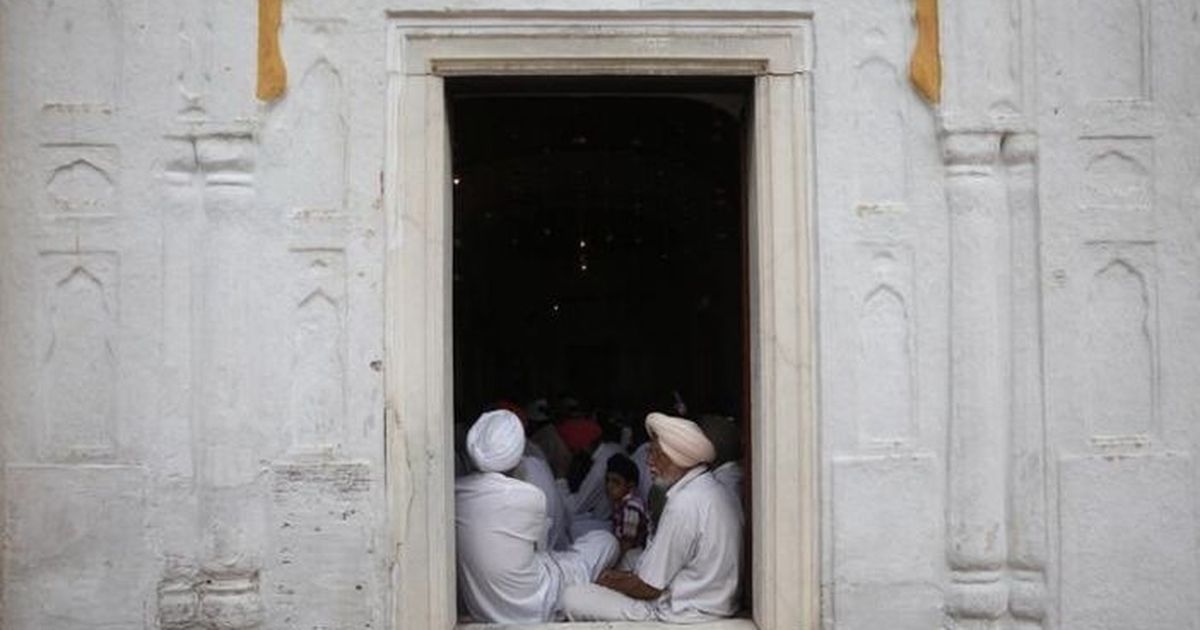 Maharaja Ranjit Singh's mausoleum in Lahore. | Mohsin Raza / Reuters
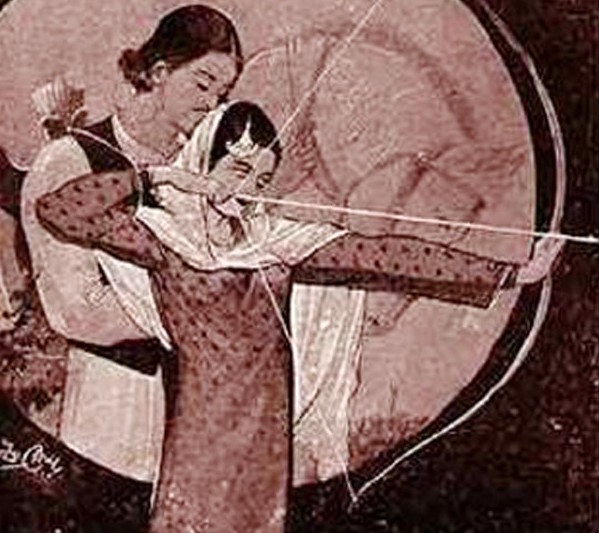 Punjabi folk love legends such as Mirza-Sahiban are the essence of traditional Punjabi culture.
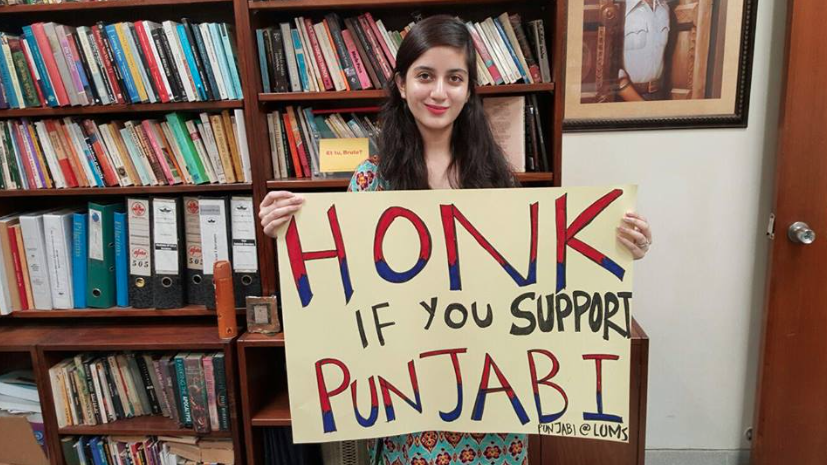 The Lahore-based Punjabi Adabi Board is at the forefront of a growing movement to make Punjabi a medium of instruction in schools in Punjab. (Credit: Punjabi Adabi Board public group / Facebook)


28