





Posted:
 Yeee.... Kisnaaa ka b'day hai aa
Us Maakhan chor ko hum sab yaad karne waale hain........
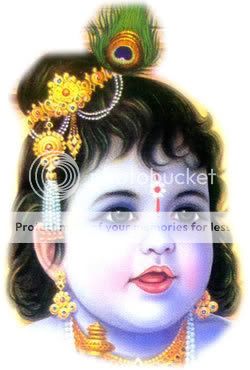
 Happy B'day
 Humare Krishna ke b'day ki celebration.........
Waise party nahi kar sakte Bhagwaan ke liye.... To sab pooja me aa jao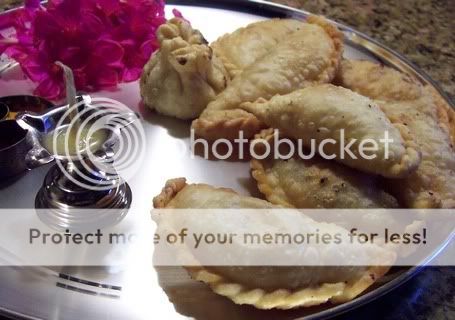
Yeee.... Kisnaaa ka b'day hai aa
Us Maakhan chor ko hum sab yaad karne waale hain........
Happy B'day
Humare Krishna ke b'day ki celebration.........
Waise party nahi kar sakte Bhagwaan ke liye.... To sab pooja me aa jao
ARYAN ENTERS 12.3
RIGHT PARTNER 13.3

"Don't Like Staying In Shit": PC on leaving BW!
Celebs @ Sooraj Barjatya’s Daughter Reception

Anupamaa 12 Mar 2026 Written Update & Daily Discussions Thread

IPL 2026 Schedule - Phase 1, Matches List
Krishna Janmashtami is observed on the eighth day of the dark half (Krishna Paksha) of the month of Shraavana in the Hindu calendar, when the Rohini Nakshatram is ascendent. The Hindu calendar being lunar, these two events [the day being the eighth of the waning moon (Krishna-paksha Ashtami) and the Rohini Nakshatram being ascendent] may overlap for only a few hours. In such an event, the festival may be celebrated on different (but successive) days by different people, depending on their local or family traditions.
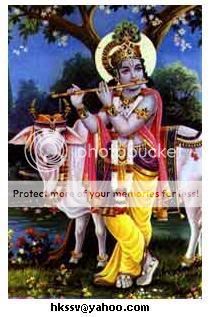
In 2007, Krishnaashtami will be celebrated on September 4.

Celebrations
The pious begin the festival by fasting on the previous day (Saptami, seventh day). This is followed by a night-long vigil commemorating the birth of Krishna at night, and his immediate removal by his father to a foster-home for safe-keeping. At midnight, the deity of the infant Krishna is bathed, placed in a cradle and worshipped.
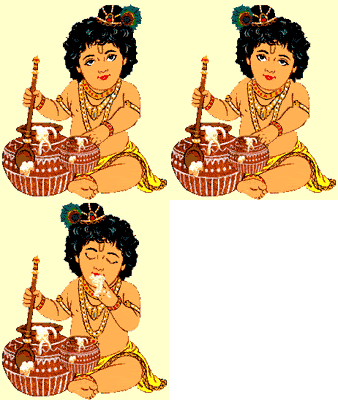
In the early morning, ladies draw patterns of little children's feet outside the house with rice-flour paste, walking towards the house. This symbolizes the entry of the infant Krishna into his foster-home. This custom is popular in some communities of South India. After ablutions, morning prayers and worship, the devout break their fast with Prasadam, food that has first been offered to God.
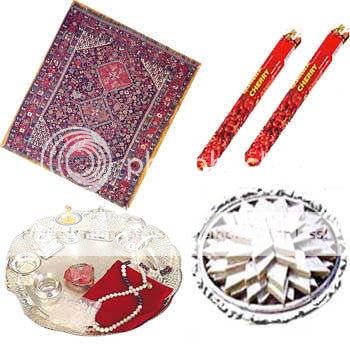
During the fore-noon hours, the "Dahi-Handi" custom is celebrated in some parts of the deccan. This is followed by sumptuous mid-day feasts, where extended families customarily get together. Sweets made of milk and other dairy products, especially butter, are traditionally prepared on this occasion. 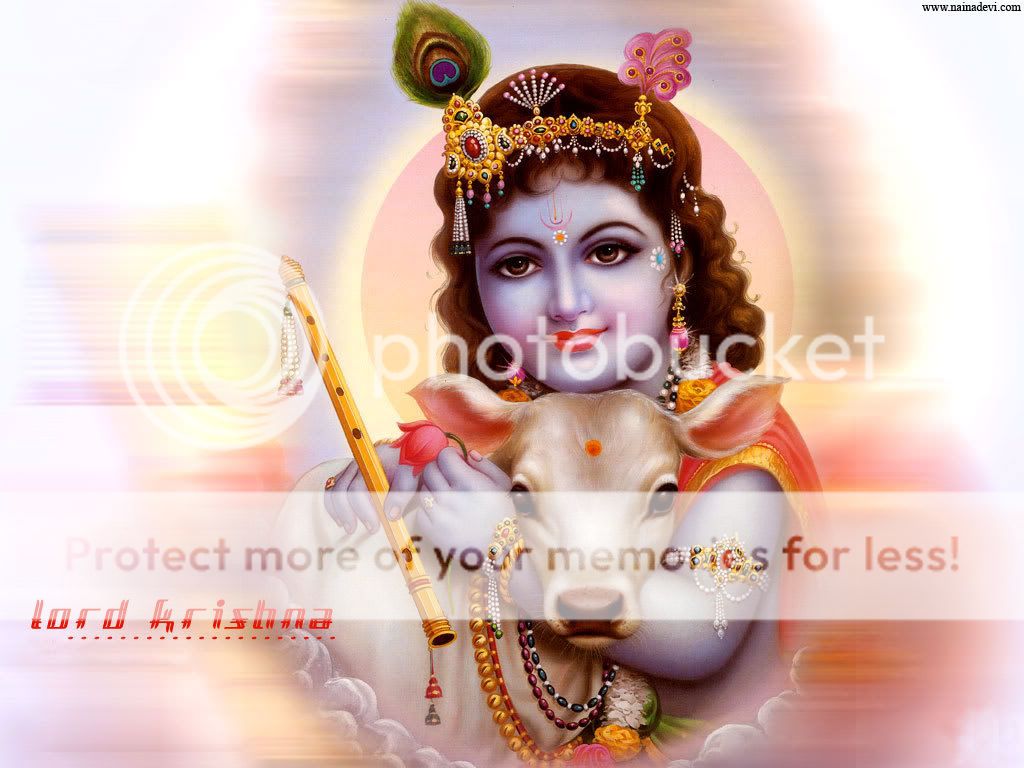
The festival is celebrated differently in North India. The temples at Vrindavan and Mathura witness a colourful, even boisterous celebration on this occasion, and festivities at these places may extend for several days. Devotional songs and dances mark the celebration. The Rasa Lila is performed to recreate incidents from the life of Krishna and commemorate his love for Radha.
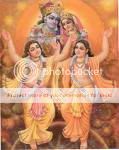
The festival is thus celebrated with great joy and communal togetherness by one and all.
Dahi Handi ( Human Towers ) Celebrations in Maharashtra
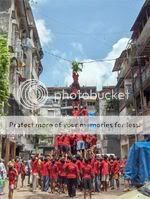
Govinda Pathaks forming human tower to break the dahi handi in Thane
In Mumbai and Pune, Janmaashtami, popularly known here as Dahi Handi is celebrated with enormous zeal and enthusiasm. Various Handis are set up locally in almost every nook and corner of the city, and groups of youngsters, called Govinda Pathaks travel around in trucks trying to break as many handis as possible during the day. Many such Govinda Pathaks compete with each other, especially for the handis that dole out hefty rewards. The event, in recent times, has gathered a political flavor, and it is not uncommon for political parties, and rich community groups to offer prizes amounting to lakhs of rupees. Some of the most famous handis are at Dadar, Mazgaon, Lalbaug and some in Thane a neighboring district of Mumbai and Babu Genu, Mandai in Pune.
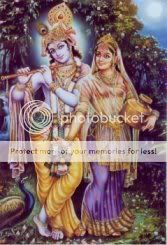
The Hindu god Krishna...
Lord Krishna is the eighth and the most popular incarnation of Lord Vishnu. (Hindus consider Buddha to be the ninth incarnation of Lord Vishnu, but do not directly worship him.)He was born in approximately 3200 BC in Vrindavan, (sometimes spelled Brindavan) where he was brought up by the cowherd family of Yashoda and Nanda.
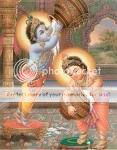
His childhood playmates were gopas and gopis (cowherd boys and girls), who were greatly devoted to him. Of all gopis, Radha loved Krishna the most.
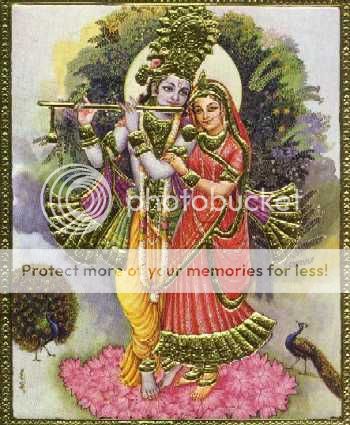
In the forests of Vrindavan, Krishna often played his flute and gopis danced with him in ecstasy. The Gopis represent the individual souls trapped in physical bodies. Radha symbolizes the individual soul that is awakened to the love of God and is absorbed in such love. The sound of Krishna's flute represents the call of the divine for the individual souls.
The gopis' love for Krishna signifies the eternal bond between the individual soul and God. The dance of the gopis and Krishna (Rasa Leela) signifies the union of the human and Divine, the dance of the souls. In the forest, the gopis dance with Krishna and are absorbed in their love for him. This illustrates that when an individual soul responds to the call of the Divine, the soul enjoys union with the Lord and becomes absorbed in the divine ecstasy.
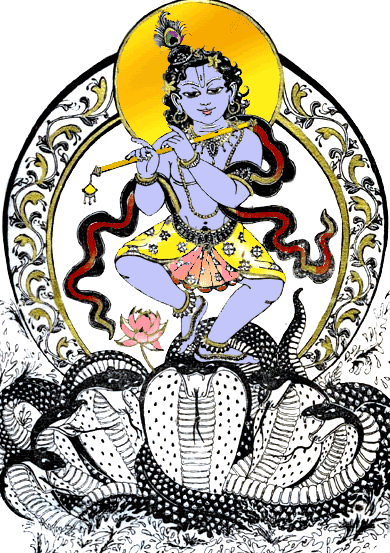
Of all the incarnations, Lord Krishna is revered as a full and complete incamation (purna avatara) of Lord Vishnu. He commands love, respect, and adoration from all Hindus of all walks of life.
Sri Krishna Janmaashtami
Janmastami (also known as Krishnastami or Gokulastami) is a festival dedicated to Lord Sri Krishna and commemorates his birth. This festival occurs on the eight day (Astami) of a lunar fortnight hence the name (Krishna+astami). Krishnastami which comes around sometime in August is celebrated over two days. This first day is Krishnastami or Gokulastami. The second day is called Kalastami or more popularly Janmastami.
On the midnight between the first and second days the 'birth of Lord Krishna is replicated with pomp and ceremony. Delicacies are prepared from milk and curds that Krishna loved. The more popular ceremony of Dahi-handi (breaking a pot full of milk and its derivatives} takes place on the second day. This ceremony is so popular that Krishnastami has come to be synonymous with the ceremony of Dahi-handi.
The Bhagavad Gita (Sanskrit ?????? ???? Bhagavad Gita, "Song of God") is a Sanskrit text from the Bhishma Parva of the Mahabharata epic. Due to differences in recensions they may be numbered in the full text of the Mahabharata as chapters. According to the recension of the Gita commented on by Shankaracharya, the number of verses is 700, but there is evidence to show that some old manuscripts had 745 verses.
Krishna, as the speaker of the Bhagavad Gita, is referred to within as Bhagavan (the divine one), and the verses themselves, using the range and style of Sanskrit meter (chandas) with similes and metaphors, are written in a poetic form that is traditionally chanted; hence the title, which translates to "the Song of the Divine One". The Bhagavad Gita is revered as sacred by the majority of Hindu traditions, and especially so by followers of Krishna. It is commonly referred to as The Gita.
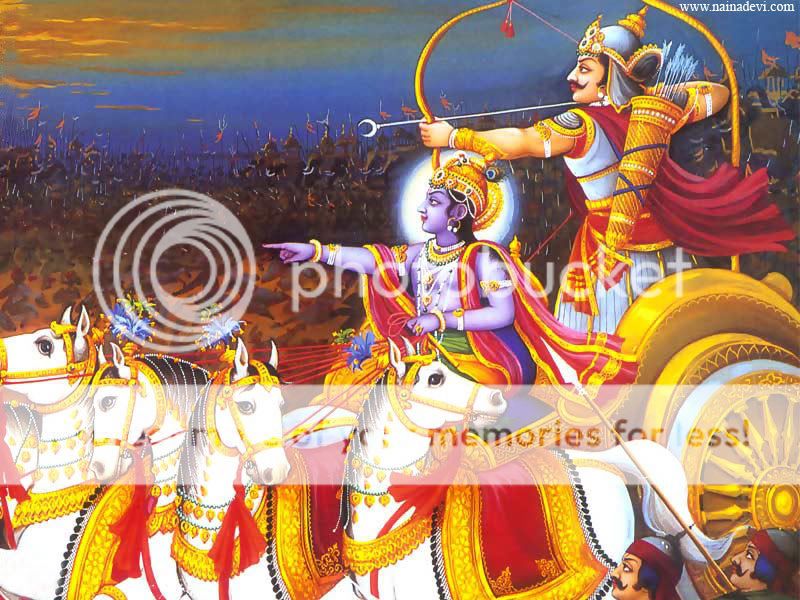
The content of the text is a conversation between Krishna and Arjuna taking place on the battlefield of Kurukshetra just prior to the start of a climacti war. Responding to Arjuna's confusion and moral dilemma, Krishna explains to Arjuna his duties as a warrior and Prince and elaborates on a number of different Yogic and Vedantic philosophies, with examples and analogies. This has led to the Gita often being described as a concise guide to Hind u philosophy and also as a practical, self-contained guide to life. During the discourse, Krishna reveals his identity as the Supreme Being Himself (Bhagavan), blessing Arjuna with an awe-inspiring glimpse of His divine absolute form.
The Bhagavad Gita is also called Gitopani?ad as well as Yogupani?ad, implying its status as an 'Upanishad". Since it is drawn from the Mahabharata, it is a Sm?ti text, however referring to it as an Upanishad is intended to give it status comparable to that of sruti, or revealed knowledge.
< =text/> //
The discourse on the Bhagavad Gita begins before the start of the climactic battle at Kurukshetra. It begins with the Pandava prince Arjuna, as he becomes filled with doubt on the battlefield. Realising that his enemies are his own relatives, beloved friends and revered teachers, he turns to his charioteer and guide, Krishna, for advice.
In summary the main philosophical subject matter of the Bhagavad-gita is the explanation of five basic concepts or truths
Krishna counsels Arjuna on the greater idea of dharma, or universal harmony and duty. He begins with the tenet that the soul is eternal and immortal.Any 'death' on the battlefield would involve only the shedding of the body, but the soul is permanent. Arjuna's hesitation stems from a lack of right understanding of the 'nature of things,' the privileging of the unreal over the real. His fear and reticence become impediments to the proper balancing of the universal dharmic order. Essentially, Arjuna wishes to abandon the battle, to abstain from action; Krishna warns, however, that without action, the cosmos would fall out of order and truth would be obscured.
In order to clarify his point, Krishna expounds the various Yoga processes, and understanding of the true nature of the universe. Krishna describes the yogic paths of devotional service, action,meditation and knowledge.[15] Fundamentally, the Bhagavad Gita proposes that true enlightenment comes from growing beyond identification with the temporal ego, the 'False Self', the ephemeral world, so that one identifies with the truth of the immortal self, the soul or Atman. Through detachment from the material sense of ego, the Yogi, or follower of a particular path of Yoga, is able to transcend his/her illusory mortality and attachment to the material world and enter the realm of the Supreme.
It should be noted, however, that Krishna does not propose that the physical world must be forgotten or neglected. Indeed, it is quite the opposite: one's life on earth must be lived in accordance with greater laws and truths, one must embrace one's temporal duties whilst remaining mindful of a more timeless reality, acting for the sake of action without consideration for the karmaphal (karmic fruits, whether bitter or sweet). Such a life would naturally lead towards stability, happiness and, ultimately, enlightenment.
To demonstrate his divine nature, Krishna grants Arjuna the boon of cosmic vision (albeit temporary) and allows the prince to see his 'Universal Form' (this occurs in the eleventh chapter). He reveals that he is fundamentally both the ultimate essence of Being in the universe, and also its material body, called the Vishvarupa ('World Form').
In the Bhagavad-Gita Krishna refers to the war about to take place as 'Dharma Yuddha', meaning a righteous war for the purpose of justice. In Chapter 4, Krishna states that he incarnates in each age (yuga) to establish righteousness in the world.





 Cricket

