





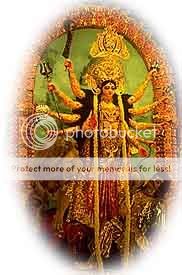
Aaj kal aap logon ko pata hai ki Navratri pooja Bharath bar me kolahal se pooja ho rahi hai.......

Ab humare forum uska hissa kaise nahi ban sakta........😃

Special Squad ke sabhi afsaron ko Navratri ki bahut bahut bahut shubhkamanaayein😛
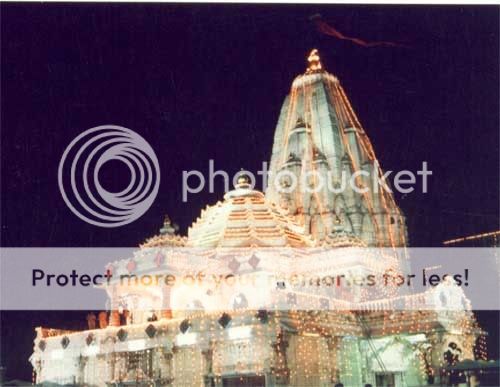
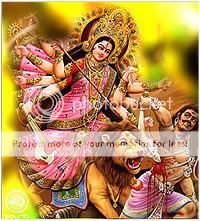
Navratri (Sanskrit:????????) is a Hindufestival of worship and dance. The word Navaratri literally means nine nights in Sanskrit; Nava - Nine and Ratri - nights. During these nine nights and ten days, nine forms of Shakti (metaphor for goddess Durga ) i.e. female divinity are worshipped.
Forms of Shakti

The following 9 forms of goddesses are worshipped during these nine days:
- Mookambika
Rituals
The Navratri commences on the first day (pratipada) of the bright fortnight of the Hindu lunar month of Ashwin. The festival is celebrated for nine nights once every year during the beginning of October, although as the dates of the festival are determined according to the Hindu lunar calendar, the festival may be held for a day more or a day less.
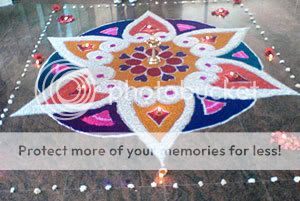
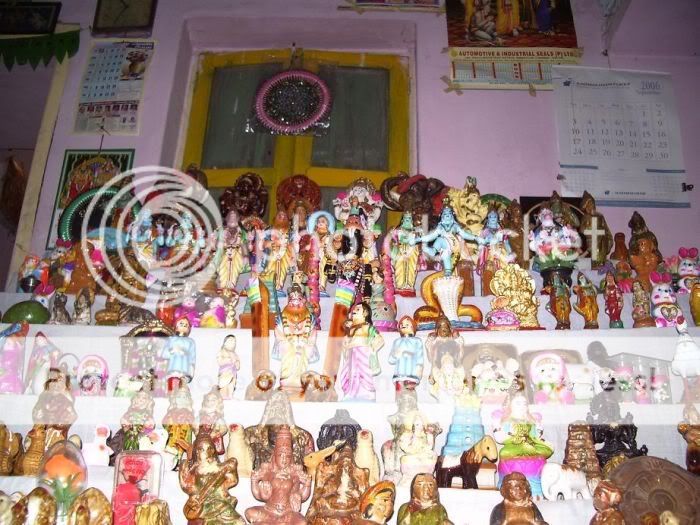
Navarathri is celebrated in different ways throughout India. In South India, Tamil Nadu, it is celebrated by setting up of Golu (Doll display), It is believedthat this was a means to invite people home to celebrate the festivities with them. In Karanataka, particularly Mysore on the 10th day the enacting of destruction of evil (Ravana destroyed by Rama) is displayed with the lighting of dolls representing Ravana and forces of evil.
Navratri is divided into sets of three days to adore three different aspects of the supreme goddess or goddesses.
First three days
The goddess is invoked as a spiritual force called Durga also known as kali in order to destroy all our impurities, vices and defects..
Second three days
The Mother is adored as a giver of spiritual wealth, Lakshmi, who is considered to have the power of bestowing on her devotees inexhaustible wealth.
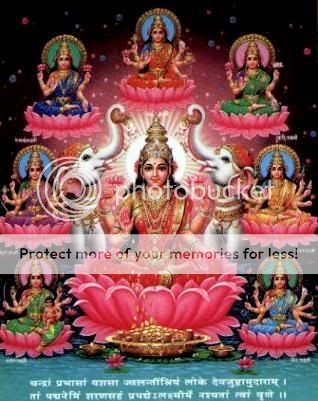
Final three days
The final set of three days is spent in worshipping as the goddess of wisdom, Saraswati. In order to have all-round success in life, believers seek the blessings of all three aspects of the divine femininity, hence the nine nights of worship.
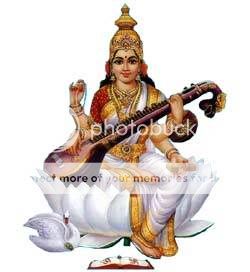
In South India, Saraswathi pooja is performed, this is when all of mankind have to give rest to their tools of the trade (pens, machinery, books, school work, etc) and they start afresh from the next day, which is considered as 'Vijaya Dashami'. Many teachers/Schools in south India start teaching Kindergarten children from that day onwards. Students also pay homage to their respective teachers as they are considered the third god (Maathaa, Pitha, Guru, Daivam - Mother, Father, Teacher & God).
During Navratri, some devotees of Durga observe a fast and prayers are offered for the protection of health and property. A period of introspection and purification, Navratri is traditionally an auspicious and religious time for starting new ventures.
During this vowed religious observance, a pot is installed (ghatasthapana) in a sanctified place at home. A lamp is kept lit in the pot for nine days. The pot symbolizes the universe. The uninterrupted lit lamp is the medium through which we worship the effulgent Adishakti, i.e. Sree Durgadevi. During Navratri, the principle of Sree Durgadevi is more active in the atmosphere.
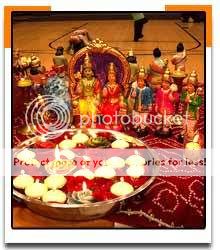
On the tenth day of Navratri in October - the holiday of Dussehra, an effigy of Ravana is burnt to celebrate the victory of good (Rama) over evil.
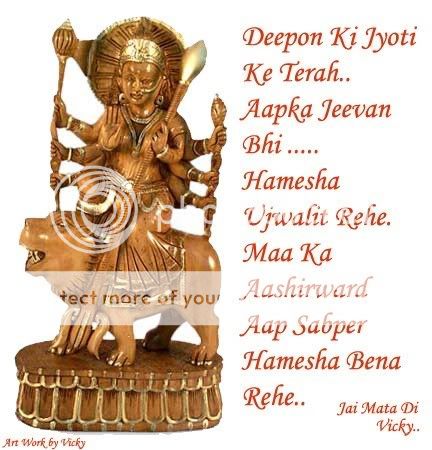
Navratri is celebrated in a large number of Indian communities. The mother goddess is said to appear in 9 forms, and each one is worshipped for a day. These nine forms signify various traits that the goddess influences us with. The Devi Mahatmya and other texts invoking the Goddess who vanquished demons are cited.
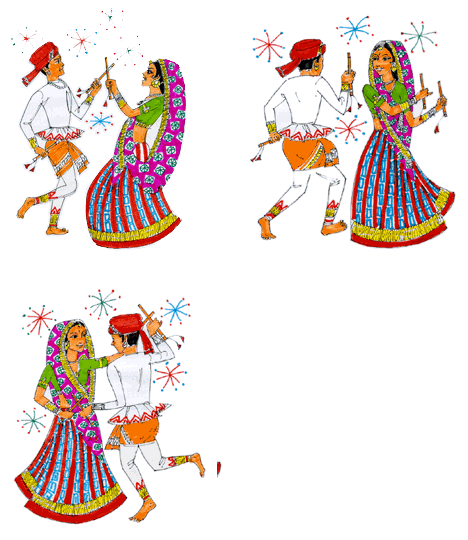











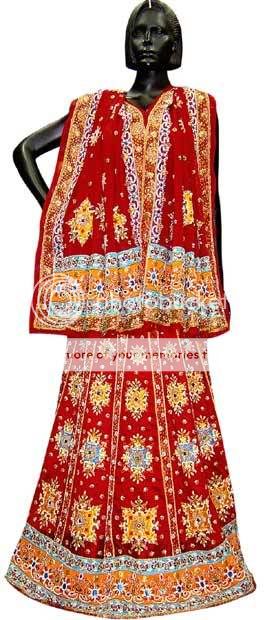






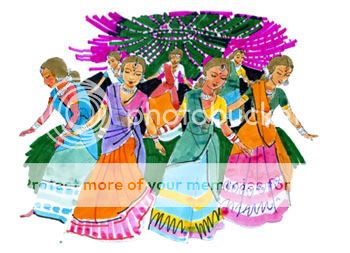
 .....kritika main aa gaye tere saath dandiya khenle


 Anupamaa

