





Assalaamu Alaykum IFians (Peace be upon you)
'Eid ul-Fitr' translates to "the festival of breaking the fast" and is the 'celebration of the oneness of Allah(God)'. Muslims usually eat a small feast such as dates before they go to the mosque to offer the Eid prayer, unlike Eid ul-Adha where Muslims break their fast with meat after returning from the Eid prayer.
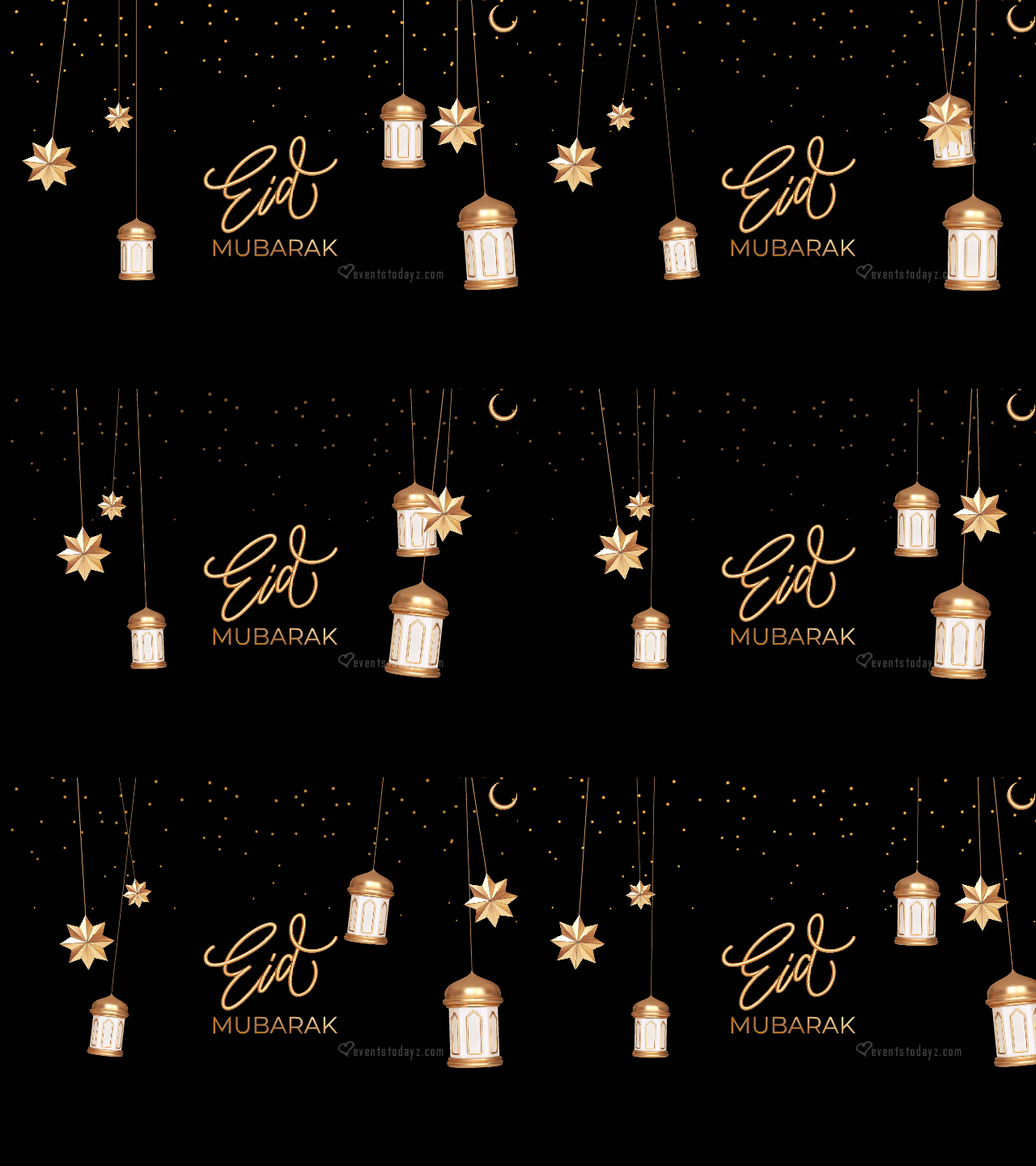
'Eid ul-Fitr' falls at the end of the holy, fasting month of Ramadan and at the start of the month of Shawaal, which is the 10th month of the Islamic calendar. Since, Islam follows the lunar calendar, the date of Eid changes every year and also varies between Muslim communities as it is dependent on the sighting of the new moon. “Eid Mubarak,” means 'having a blessed Eid' and is a common Eid Greeting.

During the holy month of Ramadan, the Quran was revealed to the Prophet Muhammad for mankind. Over the month of Ramadan, Muslims engage in acts of devotion, and self-control and refrain from drinking/eating during the hours between sunrise and sunset. The Eid celebration at the end of a 29/30 day fasting period marks a way to celebrate the success of completing all the fasts and strengthening one's belief through religious devotion i.e. giving zakat, praying namaz and reading the Quran.
Eid celebrations typically commence by offering the morning prayers with family and taking a ghusl (bath) for cleanliness. Once ablution has taken place, Muslims are encouraged to wear new clothes, prepare delicious food, visit the mosque for the Eid prayer and donate money to the poor so they can also take part in Eid celebrations. This donation is called Fitrana or Zakat ul Fitr and is compulsory for all Muslims including children if they have the means to do so. It is typically given a few days before Eid to the needy so they can prepare for Eid and/or given on the day of Eid to the needy and poor.
The above donation is different from the Zakat (charity) that all Muslims are obliged to give depending on their financial status (income/gold and property ownership). This can be paid at any time throughout the year, but many Muslims prefer to give this during the month of Ramadan, as a reward for all good deeds including charity multiplies because of its significance.
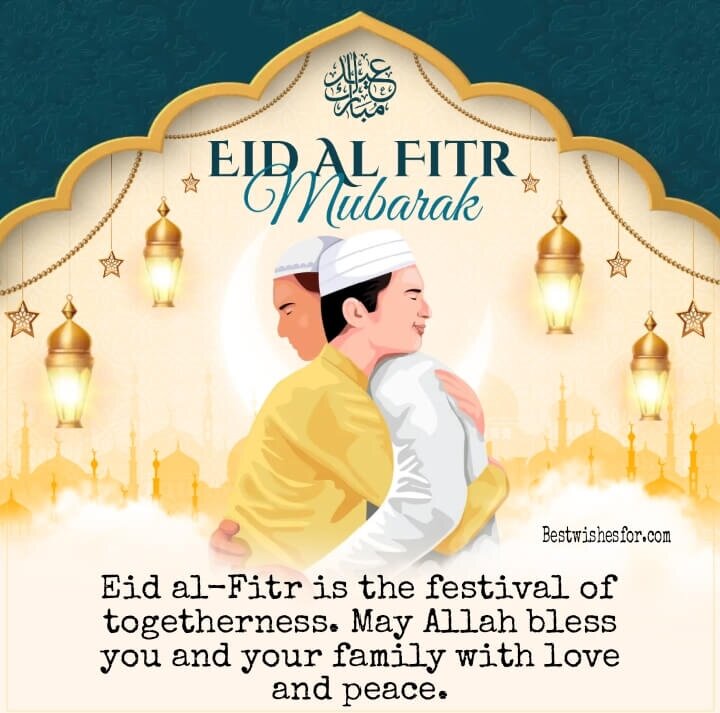
After offering the Eid prayer and listening to the Khutbah (Sermon), Muslims visit their friends and family, exchange gifts (which is usually in the form of money) and enjoy feasts that include traditional Eid dishes including Biryani and Sheer Khurma. Eid reminds us to cultivate a sense of sympathy, brotherhood and love and uproot jealousy, hatred and hostility from our hearts and the society.
Crazy Creatives would like to wish all Muslim IFians a very happy and blessed Eid!









 Your picspam has to have



















 Cryptocurrency
 Real Estate
 Seher Hone Ko Hai
 Financial markets and global economy
 Bengali Shows
 Naagin 7

