||$|| Happy Navratri - Shubh Navvarsh ||$||

Angel_Luv thumbnail
13th Anniversary Thumbnail Stunner Thumbnail + 4
Posted: 9 years ago
#1


Dear Friends ...

WISH YOU HAPPY & Prosperous New Year ...

May this new year bring you all happiness ,health & Prosperity


Ugadi is Telugu New Year

&

Gudi Padva is Maharastrian New Year

&

Cheti Chand is Sindhi New Year ...
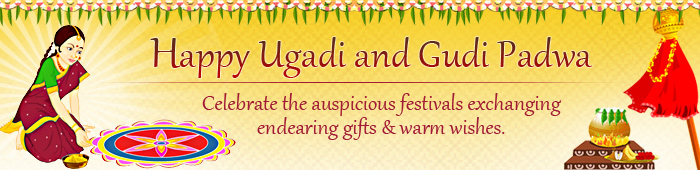
The Ready RECKONER of New Year ... across India..


Although the Indian National Calendar is the official calendar for the Hindus, regional variants still prevail. As a result, we have a host of new year festivities that are unique to the particular regions on this vast country. Characteristic of the Indian cultural mlange, Hindus in various states of India celebrate the new year in their own ways. And not all of these fall on the same day!

The Hindus of Kashmir start their new year - Navreh - in mid March. At the same time, the southern Indian states of Karnataka and Andhra Pradesh begin their new year - Ugadi. The Marathas celebrate their new year Gudi Padwa, and the Sindhis observe Cheti Chand, the coming of new year, during the same time. Usually, the Telugu, Kannada, Marathi, Kashmiri and Sindhi New Year falls on the same day - the first day of the month of Chaitra, heralding the advent of spring.

It's Ugadi in Andhra & Karnataka!

The Telugu and the Kannada New Year falls on the first day of the month of Chaitra (March-April). People in Andhra Pradesh and Karnataka states in the South of India believe that Lord Brahma began the creation of the universe on this auspicious day of Ugadi. People prepare for the new year by cleaning and washing their houses and buying new clothes. On the Ugadi day they decorate their houses with mango leaves and "rangoli" designs, and pray for a prosperous new year, and visit the temples to listen to the yearly calendar - "Panchangasravanam" as priests make predictions for the coming year. Ugadi is also an auspicious day to embark on any new endeavor.

Bring in the Goodies on Gudhi Padwa in Maharashtra & Goa!

In Maharashtra, the new year is celebrated as Gudhi Padwa - a festival that heralds the advent of spring (March-April). Early on the morning of the first day of the Chaitra month, people finish their ablutions, wear new clothes and decorate their houses with colorful "rangoli" patterns. A silk banner is raised and worshipped, and greetings and sweets are exchanged. People hang "gudhis" on their windows on this day to celebrate Mother Nature's bounty. A "gudi" is a decorated pole with a brass or a silver vessel placed on it.

Cheti Chand - the Sindhi Thanksgiving Day!

The Sindhis celebrate Cheti Chand on their New Year day which coincides with Gudhi Padwa in Maharashtra and Ugadi in Karnataka and Andhra Pradesh. Cheti Chand falls on on the first day of the month of Chaitra, also called 'Cheti' in Sindhi. This day is observed as the birthday of Jhulelal, the patron saint of the Sindhis. On this day, Sindhis worship Varuna, the water god and observe a number of rituals followed by feasts and devotional music, such as bhajans and aartis.

In mid-April, the Bengalis usher in the new year with the Poila Baishakh celebrations, the Assamese in the northeast with Bihu festivals, and the Tamils in the South with Puthandu. Around this time, Hindus in Punjab get agog with Baisakhi, the springtime harvest festival marking the beginning of their new year, and the people of Kerala in the south of India welcome their new year - Vishu.

The Bright Baisakhi of Punjab

"Baisakhi", traditionally a harvest festival, is celebrated on the 13th of April every year, marking the Punjabi New Year. People celebrate the joyous occasion by performing Bhangra and Giddha to the pounding rhythm of the dhol and rings in the New Year. Baisakhi also marks the founding of the Khalsa brotherhood by Sikh Guru Govind Singh.

Shubho Naba Barsha on Poila Baishakh in Bengal!

The first day of the Bengali new year falls on the 13th or 14th of April every year. Called "Poila Baishakh," it's a state holiday in the eastern state of West Bengal and a national holiday in Bangladesh. To welcome the new year or "Naba Barsha", people clean and decorate their houses and invoke Goddess Lakshmi, the bestower of wealth and prosperity. All new enterprises begin on this auspicious day, as businessmen open their fresh ledgers with "Haal Khata"- a ceremomy in which Lord Ganesha is summoned and customers are invited to settle all their old dues and offered free refreshments. The people of Bengal spend the day feasting and participating in cultural activities. Read more

The Boisterous Bohaag Bihu of Assam

The northeastern state of Assam ushers in the new year with the spring festival of Bohaag Bihu or Rongali Bihu, which marks the onset of a new agricultural cycle. Fairs are organized where people revel in gay games. The celebrations go on for days together, and it's a good time for young people to find a companion of their own choice! Young belles in traditional attire sing "Bihugeets" and dance the traditional "Mukoli Bihu". The festive food of the occasion is the "pitha" or rice cakes. People visit each other's houses, exchange gifts and sweets and, greet each other a Happy New Year!

Kerala, Wish You a Happy Vishu!

"Vishu" is the first day in the first month of Medam in Kerala, the beautiful coastal state in southern India. The people of this state - the Malayalees - begin the day early in the morning by visiting the temple and seeing any auspicious sight, which they call "Vishukani." The day is full of the elaborate traditional rituals with tokens called "Vishukaineetam", usually in form of coins, being distributed among the downtrodden. People wear new clothes - "Kodi vastram" - and celebrate the day by bursting firecrackers and enjoying a variety of delicacies at an elaborate lunch called the "sadya" with family and friends. The afternoon and evening is spent in the "Vishuwela".

Tamil New Year: Varsha Pirappu / Puthandu Vazthukal

The Tamil speaking people across the globe celebrate 'Varsha Pirappu' or 'Puthandu Vazthukal', the Tamil New Year, in mid-April. It is the first day of Chithirai, the first month in the traditional Tamil calendar. The day dawns by observing Kanni or viewing auspicious things such as GOLD, silver, jewelry, new clothes, new calendar, mirror, rice, coconuts, fruits, vegetables, betel leaves, and other fresh farm products. This ritual is believed to usher in good fortune. It is followed by a ritualistic bath and almanac worship called Panchanga Puja. The Tamil Panchangam, a book on New Year predictions, is anointed with sandalwood and turmeric paste, flowers and vermilion powder, and is placed before the deity. Later, it is read or listened to either at home or at the temple.

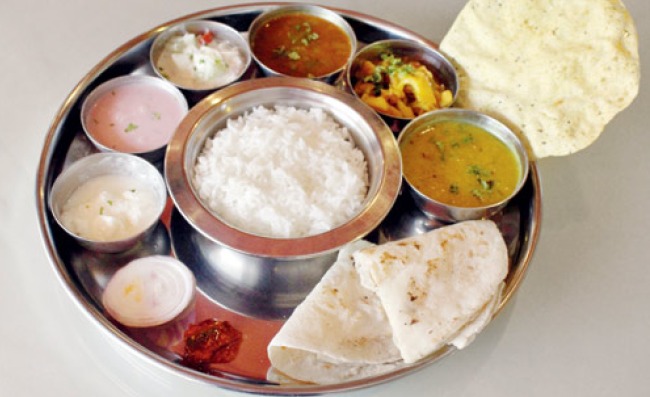
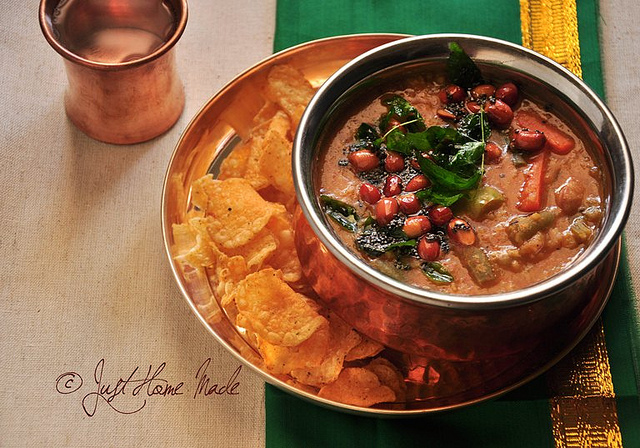
On the eve of Puthandu, every household is thoroughly cleaned and tastefully decorated - the doorways are garlanded with mango leaves strung together and Vilakku Kolam decorative patterns adorn the floors. Donning new clothes, the family members gather and light a traditional lamp, the kuthu vilakku, and fill niraikudum, a short-necked brass bowl with water and embellish it with mango leaves while chanting prayers. Then they visit neighboring temples to offer prayers to the deity. Traditional Puthandu meal consists of pachadi - a mixture of jaggery, chillies, salt, neem leaf or flowers, and tamarind; green banana and jackfruit preparation and a variety of sweet 'payasam' dessert.


Edited by Angel_Luv - 9 years ago

Created

Last reply

Replies

12

Views

2.6k

Users

8

Likes

38

Frequent Posters

Angel_Luv thumbnail
13th Anniversary Thumbnail Stunner Thumbnail + 4
Posted: 9 years ago
#2

Om Sarva Mangala Mangalye Shive sarvartha sadhike l
Sharanye trayambake Gauri Narayani namostute ll
Meaning: O Mother ! You are the personification of all that is auspicious, You are the benevolent form of Lord Shiva, You bestow Divine energy and help people achieve Righteousness, wealth, fulfill desires and Liberation, You are worthy of being surrendered to. Three eyes adorn You. O Narayani Devi, I pay obeisance to You !
As per Hindu belief the process of creation, sustenance and destruction are three different types of works and these works are the domains of Brahma, Vishnu and Mahesh respectively. Together, these Gods are known as "Trimurti" (Trinity). However, the processes of creation, sustenance and destruction also require energy. These energy components are available in the form of divine feminine power which is referred to as "Shakti" or "Aadi Shakti" represented by Maha Saraswati, Maha Lakshmi and Maha Kaali. These three feminine energy sources are associated with Brahma, Vishnu and Mahesh respectively. Thus the whole process of creation, sustenance and destruction is driven by the three feminine powers symbolized by three goddesses.

The nine days of the Navratra have been divided among nine forms of Durga.


Shailputri : The first day (pratipada) belongs to "Shailputri". This name is synonyms with Parvati, daughter of Himalaya. She took an oath to marry Lord Shiva and she is worshiped for this rock solid determination. The underline moral is to work hard for achieving success.

Brahmacharini : The second day (dwitiya) is reserved for "Brahmacharini". She is considered as a storehouse of knowledge and wisdom. She was created by "Brahma" for sustenance of the world for which knowledge was very important. She wears "Rudraksha" and lives like a "Brahmacharini".

Chandraghanta : The third day (Tritiya) is the day for the worship of "Chandraghanta". She emits a cool hallow like Moon and teaches the importance of good behavior, soft and sweet speech and gentle manners. She is the controller of anger and a protector from evils.

Kushmanda : The fourth day (Chaturthi) is the day for worship of the devi in "pindi form". This form has produced the name "Kushmanda". The goddess possesses 8 arms and mounts on a tiger. She has the power to save her devotees from trouble.

Skandmata : The fifth day (Panchmi) is the day of "Skandmata". Skand is the name of "Sanat Kumar" who was looked after by the mother. She has the unique power to transform even the ignorant into knowledgeable. She blessed "Kalidas" for creating two epics "Raghuvansha" and "Meghadoot".

Katyayini : The sixth day (Shasthi) is the day of worshiping mother "Katyayini" she spent her time in penance in the ashram of "Katyayan Rishi". She experimented with different techniques and therefore her name is remembered for research. She drives her devotees towards acquiring more knowledge.

Kalratri : The seventh day (Saptami) is the day for worshiping the seventh form of Durga- "Kalratri". She is the destroyer of darkness and brings light to the world. She protects from enemies and makes her devotees free from fear.

Mahagauri : The eighth day (ashtami) is reserved for the 8th form of Durga. "Mahagauri" is the name of Parvati and her "Siddh peeth" is at "Kankhal" near Haridwar which is close to Himalaya. She is the mother of Lord Ganesh and Lord Kartikeya.

Siddhidatri : The ninth day (Navami) is reserved for the worship of the ninth form of Durga - "Siddhidatri". She is capable of awarding every boon and is the ultimate power in this respect.

The Navaratri commences on the first day (pratipada) of the bright fortnight of the lunar month of Ashwin. The festival is celebrated for nine nights once every year during the beginning of October, although as the dates of the festival are determined according to the lunar calendar, the festival may be held for a day more or a day less.

Navaratri Day 1 Pratipada : Ghatasthapana Shailputri Pujan

Navaratri Day 2 Dwitiya : Chandra Darshan Brahmacharini Pujan

Navaratri Day 3 Tritiya : Sindoor Tritiya Chandraghanta Pujan

Navaratri Day 4 chaturthi : Varad Vinayaka Chauth

Navaratri Day 5 Panchami : Upang Lalita Vrat Skandamata Pujan

Navaratri Day 6 Shashthi : Saraswati Awahan Katyayani Pujan

Navaratri Day 7 Saptami : Saraswati Puja Kalaratri Pujan

Navaratri Day 8 Ashtami : Durga Ashtami Mahagauri Pujan Sandhi Puja, Maha Ashtami

Navaratri Day 9 Navami : Ayudha Puja Durga Visarjan, Maha Navami

On Sunday goddess wears red/maroon. On Monday goddess wears white or cream. On Tuesday goddess wears orange. On Wednesday goddess wears green. On Thursday goddess wears yellow. On Friday goddess wears silver. On Saturday goddess wears blue or peacock.

Ya Devi Sarvabhuteshu, Shakti Rupena Sanstita
Namastasyai Namastasyai Namastasyai Namo Namaha

Which means:
Prostrations unto Thee, O Devi (Ma)
who dwells in all beings in the form of Shakti (Energy)...


Edited by Angel_Luv - 9 years ago
Angel_Luv thumbnail
13th Anniversary Thumbnail Stunner Thumbnail + 4
Posted: 9 years ago
#3

Gudi Padwa, the first Holy festival which marks the beginning of the New Year, new month and new day for the Hindus falls on Chaitra Shukla Pratipada. It is known as Gudhi Padwa (in Maharashtra), Ugadi (in Karnataka, Andhra Pradesh). [In other parts of country it is celebrated during Nau Roz (Kashmir), Baisakhi (Punjab), Cheti Chand (Sindhi), Naba Barsha (Bengal), Goru Bihu (Assam), Puthandu (Tamil Nadu), Vishu (Kerala)] On this very day Lord Brahma created the Universe. Therefore for Hindus, this day carries special importance. The day is celebrated with an auspicious bath, followed by decorating the doorway with a 'toran', performing ritualistic worship and hoisting the Gudhi.

Gudhi Padwa is celebrated as Ugadi (or Yugadi) in Karnataka and Andhra Pradesh. The day, begins with ritual showers followed by pooja to god and Panchanga Shravana.Houses are decorated with Mango Leaves and Rangoli and everyone in the family wear new clothes and celebrate the festival by wishing each other New year greetings.

The eating of a specific mixture called Bevu-Bella (Neem and Jaggery) in Kannada, symbolizes the fact that life is a mixture of good and bad, Happiness and Sorrow. Eating Neem and Sweet Jaggery means one need to take both Good and Bad or Happiness and Sorrow should be accepted together and with equanimity through the New Year. The special mixture consists of:
1. Neem Buds/Flowers for its bitterness, signifying Sadness
2. Jaggery which is sweet, signifying Happiness

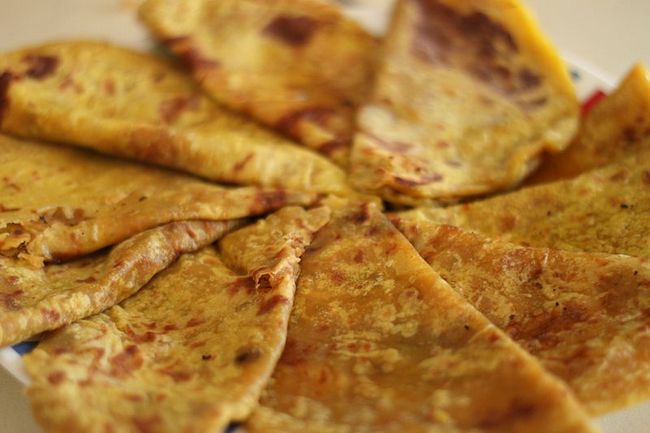
In Karnataka a special dish called Obbattu or Holige (Puran Poli), is prepared on this occasion. It consists of a filling (gram and jaggery/sugar boiled and made in to a paste) stuffed in a flat roti like bread. It is usually eaten hot/cold with ghee or milk topping or coconut milk at some places of Karnataka.


For the re-establishment of Dharma, struggle is inevitable. History has been witness to this. Prabhu Shri Ramachandra united 18 Padma (1 Padma = 1015) monkeys to establish the Ramrajya', while Chhatrapati Shivaji Maharaj united thousands of Mavalas so as to establish the Hindavi Swarajya'.

Even today, unity of devout Hindus is essential so as to get rid of the so-called secular' democratic set-up, that has led to the deterioration of Bharat in all fields, and establish a Dharma-based Hindu Nation' (meaning, Ramrajya).

Therefore, become active to erect the Gudhi' of unity of Hindus for establishing the Hindu Nation' right from this Gudhipadwa, meaning, the Hindu New Year day !

Celebrate New Year only on Chaitra Shukla Pratipada (Gudi Padwa)

Presently in Bharat, New Year is being celebrated on 1st January as per the Western calendar. Celebration on the eve of the Western New Year involves one indulging oneself in various malpractices like indulging in eve teasing after drinking, etc. So, instead of beginning the New Year on an auspicious note, it begins unpleasantly. To ensure that the beginning of the New Year begins on an auspicious note, celebrate it according to the Hindu scriptures, on Chaitra Shuddha Pratipada as per the Hindu lunar calendar. This date is glorious in all ways - as per the cycle of Nature and it also has historical and spiritual significance. All this contributes to endowing the one celebrating it, as per the Hindu scriptures, with several benefits. It is the duty of each individual to arrest the loss being caused to society due to blindly emulating Westerners.

Science in the worship of the Gudi

'Gudi Padwa' is the day on which the universe was created. Since on this day Shri Brahma created the universe and the Satyayug began, it marks the commencement of the New Year.

The Divine consciousness emanating during sunrise, absorbed at that time lasts longer. Thus the Gudi should be worshipped within 5-10 minutes after sunrise !

On Gudi Padwa, the waves consisting of the fire principle (Tej tatva) and the creative Prajapati waves are activated on a large scale. The Divine consciousness emanating during sunrise, absorbed at that time lasts longer. This consciousness is stored in the body cells and is used as required. Hence the Gudi should be worshipped within 5-10 minutes after sunrise.

Method of raising the Gudi

Position of the Gudi:

Care should be taken to raise the Gudi next to the main entrance of the house. The spot selected should be on the right side of the entrance(when facing outwards from the entrance of the home). The right side symbolizes the active state of the soul.

1. The area selected for raising the Gudi should be cleaned and then a Swastik rangoli should be drawn on the ground. Turmeric and vermilion (Haldi-kumkum) should be offered at the centre of the Swastik.

2. While raising the Gudi, the 'Shiva-Shakti' principle in the Universe should be invoked. This enables all the constituents of the Gudi to accept divine principles.

3. The Gudi symbolizes the Sushumna nadi' of our body. Hence, the Gudi should be raised at the entrance. And it should be kept tilted at an angle. - A Scholar (through the medium of Ms. Anjali Gadgil)

Prayer:

'O Lord Brahma, Lord Vishnu ! Please enable me to absorb the Principle of Creation and the Fire Principle present in the atmosphere. Let the Divine consciousness present in these principles be preserved constantly. Let the energy thus received, be used for my spiritual practice.'

Reason for raising the Gudi during war:

The Gudi is a symbol of victory. Amongst the various qualities of God, 'Being Victorious' is one and it symbolizes that God has achieved victory at the outset and at various levels. To symbolize this at every level of war, a Gudi is hoisted.

Ugadi scraps, Gudi Padwa graphics and quotes


⭐️⭐️ ⭐️⭐️

The New year festival or Ugadi comes close on the heels of Holi. While the strong colors of Holi start fading away, the freshness of spring lingers on with sprightliness all around. The flame of the forest (trees with bright red flowers that blossom during holi) are in full bloom signifying an affluent season.It is believed that the creator of the Hindu pantheon Lord Brahma started creation on this day - Chaitra suddha padhyami or the Ugadi day. Also the great Indian Mathematician Bhaskaracharya's calculations proclaimed the Ugadi day from the sunrise on as the beginning of the new year, new month and new day. The onset of spring also marks a beginning of new life with plants (barren until now) acquiring new life, shoots and leaves. Spring is considered the first season of the year hence also heralding a new year and a new beginning. The vibrancy of life and verdent fields, meadows full of colorful blossoms signifies growth, prosperity and well-being.s


With the coming of Ugadi, the naturally perfumed jasmines (mallepulu) spread a sweet fragrance which is perhaps unmatched by any other in nature's own creation! While large garlands of jasmine are offered to Gods in homes and temples, jasmine flowers woven in clusters adorn the braids of women.


Predictions of the Year :
Ugadi marks the beginning of a new Hindu lunar calendar with a change in the moon's orbit. It is a day when mantras are chanted and predictions made for the new year. Traditionally, the panchangasravanam or listening to the yearly calendar was done at the temples or at the Town square but with the onset of modern technology, one can get to hear the priest-scholar on television sets right in one's living room.


It is a season for raw mangoes spreading its aroma in the air and the fully blossomed neem tree that makes the air healthy. Also, jaggery made with fresh crop of sugarcane adds a renewed flavor to the typical dishes associated with Ugadi. "Ugadi pachchadi" is one such dish that has become synonymous with Ugadi. It is made of new jaggery, raw mango pieces and neem flowers and new tanarind which truly reflect life - a combination of sweet, sour and bitter tastes!


Preparing for the Occasion :
Preparations for the festival begin a week ahead. Houses are given a thorough wash. Shopping for new clothes and buying other items that go with the requirements of the festival are done with a lot of excitement.


Ugadi is celebrated with festive fervor in Maharashtra, Karnataka and Andhra Pradesh. While it is called Ugadi in A.P. and Karnataka, in Maharashtra it is known as "Gudipadava". On Ugadi day, people wake up before the break of dawn and take a head bath after which they decorate the entrance of their houses with fresh mango leaves. The significance of tying mango leaves relates to a legend. It is said that Kartik (or Subramanya or Kumara Swamy) and Ganesha, the two sons of Lord Siva and Parvathi were very fond of mangoes. As the legend goes Kartik exhorted people to tie green mango leaves to the doorway signifying a good crop and general well-being.


It is noteworthy that we use mango leaves and coconuts (as in a Kalasam, to initiate any pooja) only on auspicious occasions to propitiate gods. People also splash fresh cow dung water on the ground in front of their house and draw colorful floral designs. This is a common sight in every household. People perform the ritualistic worship to God invoking his blessings before they start off with the new year. They pray for their health, wealth and prosperity and success in business too. Ugadi is also the most auspicious time to start new ventures.


The celebration of Ugadi is marked by religious zeal and social merriment. Special dishes are prepared for the occasion. In Andhra Pradesh, eatables such as "pulihora", "bobbatlu" and preparations made with raw mango go well with the occasion. In Karnataka too, similar preparations are made but called "puliogure" and "holige". The Maharashtrians make "puran poli" or sweet rotis.


Season For Pickles :
With the raw mango available in abundance only during the two months (of April/May), people in Andhra Pradesh make good use of mangoes to last them until the next season. They pickle the mangoes with salt, powdered mustard and powdered dry red chilli and a lot of to float over the mangoes. This preparation is called "avakai" and lasts for a whole year.


Mangoes and summer season go hand in hand. Ugadi thus marks the beginning of the hot season which coincides with the school vacations. For the young ones, therefore, Ugadi is characterised by new clothes, sumptuous food and revelling. The air is filled with joy, enthusiasm and gaiety. Some people participate in social community gatherings and enjoy a tranquil evening with devotional songs (bhajans).


Kavi Sammelanam :
Kavi Sammelanam (poetry recitation) is a typical Telugu Ugadi feature. Ugadi is also a time when people look forward to a literary feast in the form of Kavi Sammelanam. Many poets come up with new poems written on subjects ranging - from Ugadi - to politics to modern trends and lifestyles.


Ugadi Kavi Sammelanam is also a launch pad for new and budding poets. It is generally carried live on All India Radio's Hyderabad "A" station and the Doordarshan,(TV) Hyderabad following "panchanga sravanam" (New year calendar) narrating the way the new year would shape up in the lives of people and the State in general. Kavis (poets) of many hues - political, comic, satirical reformist, literary and melancholic - make an appearance on the Ugadi stage. Ugadi is thus a festival of many shades. It ushers in the new year, brings a rich bounce of flora and fills the hearts of people with joy and contentment.

Edited by Angel_Luv - 9 years ago
Angel_Luv thumbnail
13th Anniversary Thumbnail Stunner Thumbnail + 4
Posted: 9 years ago
#4


Edited by Angel_Luv - 9 years ago
..GurmiT.. thumbnail
12th Anniversary Thumbnail Sparkler Thumbnail + 2
Posted: 9 years ago
#5
Happy Navratri and gudi padwa
i think hamara real New Year 8 April ko h ?

Beautiful thread Poo di! This thread just took my lots of MB 😆

caller123 thumbnail
17th Anniversary Thumbnail Visit Streak 365 Thumbnail + 8
Posted: 9 years ago
#6
Happy Navarathi to you all😃
Beautiful thread Poo dear!
roserosey thumbnail
13th Anniversary Thumbnail Sparkler Thumbnail Networker 1 Thumbnail
Posted: 9 years ago
#7
Happy Gudi padwa and Ugadi to everyone here
may this year turns out be even more brighter than ever !!!😃

POO DI 🤗 A HUG AND BEST WISHES FOR THE NEW YEAR TOO 😃
Sharlene1410 thumbnail
13th Anniversary Thumbnail Sparkler Thumbnail + 2
Posted: 9 years ago
#8
Beautiful thread Poo ⭐️
Wishing everyone happy celebrations 🤗

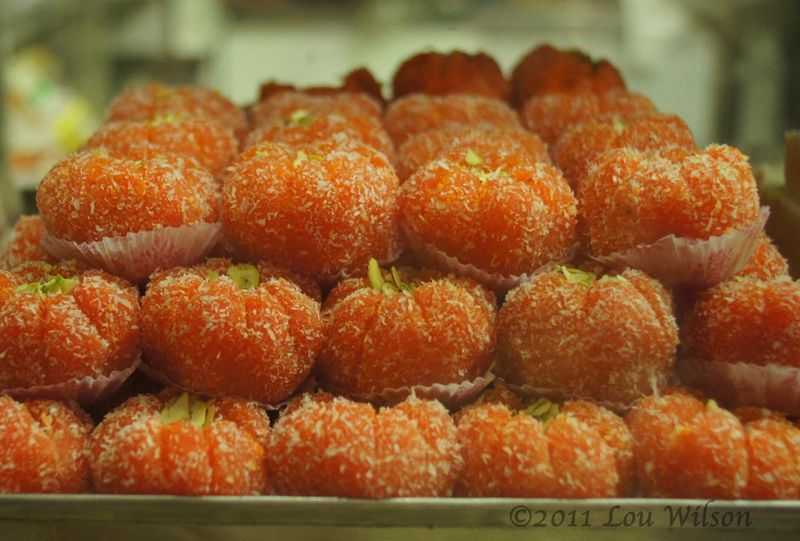
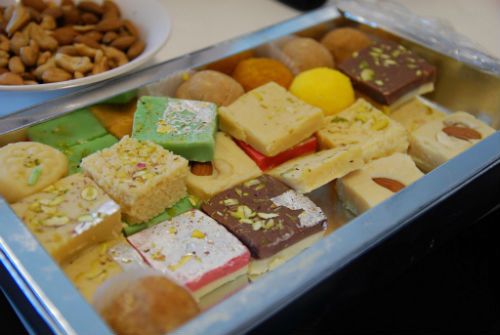
I must say the food and sweets looks so yummy😆
gafulu14 thumbnail
14th Anniversary Thumbnail Sparkler Thumbnail Commentator Level 3 Thumbnail
Posted: 9 years ago
#9
Happy Chatri Navaratri
Happy Gudi padwa and Ugadi to everyone here
uluvmg thumbnail
14th Anniversary Thumbnail Rocker Thumbnail + 2
Posted: 9 years ago
#10
Wish You All Happy Navaratri..Happy Ugadi..Happy Gurdi Padwa...🤗
beautiful thread poodi...👏

Related Topics

Top

Stay Connected with IndiaForums!

Be the first to know about the latest news, updates, and exclusive content.

Add to Home Screen!

Install this web app on your iPhone for the best experience. It's easy, just tap and then "Add to Home Screen".