



\|/ The Temples Of India\|/ - Page 19

Created

Last reply

Replies

214

Views

155.1k

Users

29

Likes

736

Frequent Posters

BabyHimavari thumbnail
13th Anniversary Thumbnail Trailblazer Thumbnail + 4
Posted: 12 years ago
Shivniwas(nadia,west bengal)

Legend:

Legend says that Lord Shiva appeared before Maharaja Krishnachandra (the king of Nadia) in his dream, and told him that he was shifting his base from Kasi to his capital. So in order to please the Lord the Maharaja set up his new capital at Shivniwas, and constructed 108 (although historians have doubt about the figure) temples in his honour.
History:

But Historians have come up with a more rational explanation. They say that in the middle of the eighteen century Maharaja Krishnachandra in order to save his capital Krishnanagar from the invading Marathas (Bargis) shifted it to Shivniwas, which was surrounded on three sides by the Churni River, thus providing a natural protection from the invaders. After shifting his capital the Maharaja christened it Shivniwas, probably after the Lord himself. However some historians claim that it was named after his son Shiva Chandra.
Cultural Development:

During the reign of Maharaja Krishnachandra (1728-1782) Bengal went through a phase of huge cultural revolution. His knowledge, education and culture have given him a unique place in the cultural history of Bengal. His navaratna (nine jewels) sabha still plays a significant role in the cultural development of Bengal. The cultural activities of Krishnachandra also had a huge impact on the architecture of the period. This period was marked with the construction of huge temples. The temples did not follow the traditional Bengali structure of Chala (sloped roof) or ratna (domes) but contained arches, spires and minars thus giving it an Islamic influence. Even traces of Gothic architecture is present in some of the temples. Also almost no terracotta decoration, which was the hallmark of all Bengal temples of that period, was found on these temples.
Shivniwas Today:

Sadly however only three of the 108 temples exist to this day, and one of them contains the largest Shiv Linga of Eastern India. The two Shiva temples along with a Ram Sita temple and the ruins of Krishnachandra's palace are all that remains of Shivniwas' glorious past.
Ram Sita Temple:

This is a brick temple with the walls covered with cement plaster, which was added later (see photo P3). On the eastern side of the temple complex lies the Ram Sita temple constructed in 1762. The temple is built on a 2.4m high platform and measures 12.8m m in length and 9.8m m in breadth, the extended balcony was probably added later on. The main structure is crowned by a char-chala (four-shaded) roof, topped with the square base structure, which again is crowned with a char-chala roof totaling up to a height of 15.2m. Unlike the traditional Bengali temple the cross-section of the top chalas are not triangular but bell shaped. The four corners of the square structure are provided with narrow long decorated minars, having significant Islamic influence. Five arches flank the entrance of the temple, while that of the garvagriha (inner sanctum) is marked with three, having remarkable resemblance with Gothic architecture. The bell shaped chalas, the Gothic arches and Islamic minars have given Ram Sita Temple of Shivniwas a unique place in Bengal architecture.

Ram Sita Temple, Shivniwas.

The temple contains the idols of Ram and Sita. The idol of Ram is made of stone and that of Sita is of astodhatu (8 metals). The idol of Ram is seated and is placed on a wooden throne while that of Sita is standing and is placed beside the throne. The statue of Ram is crowned on the head and has remarkable resemblance with Buddha. The temple also contains idols of several deities, including a stone image of Bishnu, probably found on the banks of Churni and dating back to the Pal age.

The temple was first restored by Birla Trust Fund in 1965-66 and although the pink paint appear totally out of place, the temple has more or less been well maintained. It is an active temple with Pujas and Bhogs offered regularly.
Ragniswar Temple:

THE RAGNISWAR IS A DIFFERENT NAME FOR SHIVA. Few yards to the west of the Ram Sita Temple lies the Ragniswar temple containing the 2.4m high Shiv Linga. Built in the same year as the Ram Sita Temple, the char-chala temple is built on a 1.2m high platform and has a square cross-section of side 8m. it is crowned with a narrow char-chala spire and reaches a total height of 18.4m. Three of the four sides of the temple are provided with arched gateways leading to the giant Shiv Linga. The fourth side has an identical closed arch. Sadly, the temple is in a sorry state, with trees growing all over the structure. In spite of all these the absence of paint gives it a somewhat authentic look.


Ragniswar Temple, Shivniwas.

Raj Rajeswar Temple:

On the western end lies the 120 feet (36.6m) high Raj Rajeswar Temple, locally called Buro Shiv'er Mandir (the Old Shiva Temple). Built in 1754 the temple has totally been reconstructed by Birla Trust Fund in 1965-66. (After that a number of restoration work was crried out by different trusts, however, giving more importance to reconstruction than restoration) and nothing remains of its 250 years old architecture. Built on an octagonal base of height 1.8m the eight vertical walls rise to a height of 5.3m and are topped with a long narrow spire totaling to a height of 24.4m. It is probably the highest temple of its period in West Bengal. Three of the eight sides are provided with Gothic arched gateways while the other five are provided with identical closed arches. The eight corners are provided with long, narrow decorated minars, thus giving it a unique place in Bengal architecture, which cannot be classified under any of the traditional classification of Bengal temples.

Raj Rajeswar Temple (Buro Shiv'er Mandir), Shivniwas.

Starting from the first restoration of 1965-66, the temple has been restored, or rather reconstructed, several times, the last one taking place in February 2006, when shabby looking iron railings were added to the octagonal platform. Today the cemented plastered temple, neither resembles the grace and beauty of the original structure and the yellow and pink paint looks totally out of place. Thus the 250 year old temple is totally reconstructed and thus in the process wiping out a piece of history from the face of the planet.

Although the outside of the temple has been totally modified into a modern structure, the inside of the octagonal temple remains the same. The Raj Rajeswar temple has the distinction of housing the largest Shiv Linga in Eastern India. Measuring 2.7m in height and 6.7m in circumference (including spout), the black stone Shiv Linga is definitely the star attraction of Shivniwas. At the back of the Linga a flight of stairs lead the devotees to a height of about 1m, thus allowing them to pour water on the giant linga.


Giant Shiv Linga at Raj Rajeswar Temple, Shiviwas.

Maharaja Krishnachandra's Palace:

A dirt road connects the temple complex to the ruins of Krishnachandra's Palace. The road goes past a phone booth and past several houses to a small clearing housing the remains of the royal palace. History describes the palace as a huge fort but nothing remains of this historical structure. Most part of the structure is buried underground and is covered with dense vegetation. Apart from a small roofless room nothing much is left of this historical structure and that too remains in a very sorry state. Most of the structure is inaccessible due to dense undergrowth but the walls of the accessible portion are used by locals to dry cow-dung cakes.

Ruins Maharaja Krishachadra's palace, Shivniwas.

Kore-Soteira thumbnail
13th Anniversary Thumbnail Dazzler Thumbnail + 2
Posted: 12 years ago
TIRUMALA VENKATESHWARA TEMPLE,
TIRUMALA, TIRUPATI, ANDHRA PRADESH, INDIA

Tirumala Venkateswara Temple is a Hindu temple in the hill town ofTirumala, near Tirupati in Chittoor district of Andhra Pradesh. It is around 600 km (370 mi) from Hyderabad, 138 km (86 mi) from Chennai and 291 km (181 mi) from Bangalore.

The Tirumala Hill is 853m above sea level and is about 10.33 square miles (27 km2) in area. It comprises seven peaks, representing the seven heads of Adisesha, thus earning the name Seshachalam. The seven peaks are called Seshadri, Neeladri, Garudadri, Anjanadri, Vrushabhadri, Narayanadri and Venkatadri. The temple is on Venkatadri (also known as Venkatachala or Venkata Hill), the seventh peak, and is also known as the "Temple of Seven Hills". The presiding deity of the temple is Lord Venkateswara, a form of the Hindu god Vishnu. Venkateswara is known by other names: Balaji, Govinda, and Srinivasa. The temple lies on the southern banks of Sri Swami Pushkarini, a holy water tank. The temple complex comprises a traditional temple building, with a number of modern queue and pilgrim lodging sites.

The temple is the richest pilgrimage centre, after the Sree Padmanabhaswamy Temple in Thiruvananthapuram, Kerala, of any faith (at more than INR 50,000 crore) and the most-visited place of worship in the world. The temple is visited by about 50,000 to 100,000 pilgrims daily (30 to 40 million people annually on average), while on special occasions and festivals, like the annual Brahmotsavam, the number of pilgrims shoots up to 500,000, making it the most-visited holy place in the world.
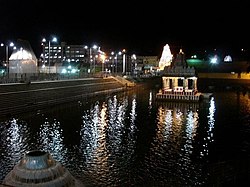
There are several legends associated with the manifestation of the Lord in Tirumala. According to one legend, the temple has a murti (deity) of Lord Venkateswara, which it is believed shall remain here for the entire duration of the present Kali Yuga.

  • ETYMOLOGY:- Tirumala : Tiru means 'Holy' or 'Sacred' and mala means hills/mountain in the Tamil language. Therefore it translates as Holy mountains..Venkateswara : In Sanskrit Ven-kata-eswara means 'vem' = all the links with one's own sins, 'kata'=will be cut off in total to the one who surrenders to him, 'Eswara' = Supreme God.
  • MEDIEVAL HISTORY of the TEMPLE:- Bhoga Srinivasa Murthy idol was donated to the sacred shrine by the then Pallava queen Samavai some 1,500 years ago. According to the temple history the queen of Pallava dynasty Sri Kandavan Perundevi(7'th century AD) popularly known as Queen Samavai donated 18 inch silver idol of Bhoga Srinivasa Murthy in the earlier years of the seventh century. Tirumala was under the rule of theVijayanagara emperors, during which time the temple's assets were accumulated. Coronation ceremonies of the emperors were also held at Tirupati. In 1517 Krishnadevaraya, on one of his many visits to the temple, donated gold and jewels. It enabled the Vimana (inner shrine) and the roofing to be plated with gold. The Maratha general Raghoji Bhonsle set up a permanent administration for the conduct of worship in the temple. The rulers of Mysore and Gadwal endowed large gifts to the temple. The Pallavas of Kanchipuram (9th century AD), the Cholas of Tanjore (10th century), and Vijayanagara pradhans (14th and 15th centuries) were committed devotees of Lord Venkateswara. During the invasion of Srirangam by Malik Kafur in 1310-11 AD, the Ranga Mandapam of the temple served as the shelter for the presiding deity of Srirangam, Ranganatha Swamy. Later, under the rule of the Vijayanagara emperors, was when the temple gained most of its current wealth and size, with the donation of diamonds and gold.[15] In 1517 Vijayanagara ruler Sri Krishna Deva Raya, on one of his many visits to the temple, donated gold and jewels, enabling the Vimana (inner shrine) roofing to be gilded. Statues of Sri Krishna Deva Raya and his spouse stand in the premises of the temple. After the decline of Vijayanagara Empire, kings from states such as Mysore and Gadwal worshiped as pilgrims and gave ornaments and valuables to the temple. Maratha general Raghoji I Bhonsle (died 1755) visited the temple and set up a permanent administration for the conduct of worship in the temple. There is an idol of Raja Todar Mal who was the revenue minister of Akbar, greeting pilgrims in the premises of the temple.
  • MODERN HISTORY of the TEMPLE:- In 1843, with the coming of the Madras Presidency, the administration of the Sri Venkateswara Temple and a number of shrines was entrusted to Seva Dossji of the Hathiramji Mutt at Tirumala as Vicaranakarta for nearly a century until the Tirumala Tirupati Devasthanams (TTD) was established as a result of the TTD Act in 1932. After independence Andhra state was created on linguistic grounds, wherein Tirupati which had and still has a majority of Telugu speaking population was assigned by Govt. of India, integrating it as part of Andhra. TTD is operated by a Board of Trustees that has increased in size from five (1951) to fifteen (1987) through the adoption of Acts. The daily operation and management of TTD is the responsibility of an executive officer who is appointed by the government of Andhra Pradesh. The temple attracts approximately 75,000 pilgrims every day. The annual budget, estimated at Rs 10 billion in 2008, runs charitable trusts whose funds are derived from the budget and donations from the devotees.
  • TEMPLE TODAY:- TTD is operated by a Board of Trustees, and has increased in size through adoption of various Acts from five in 1951 to fifteen in 1987. The operations and management of TTD is the responsibility of an Executive Officer (EO), who is appointed by the government of Andhra Pradesh. The temple attracts, on an average of approximately 60,000 pilgrims every day. The popularity of the temple can be judged by its annual budget. The annual income is estimated at INR 10 billion in 2008. Most of its income is derived from the donations. Devotees donate to the TTD, which runs into the millions of rupees. TTD, the organisation running the welfare of the temple, runs various charitable trusts, whose funds are derived from the budget, and donations from the devotees.
  • SONGS & HYMNS:- The outpouring divine grace of Sri Balaji inspired Tallapaka Annamacharya to sing His glories in Telugu and in Sanskrit. Of the 32000 songs composed by him, only 12000 are available. Keertanas like 'Brahma Kadigina Paadamu' and 'Adivo Alladivo Sriharivaasamu' are popular even today. Purandaradasa was another who composed thousands of songs regarding Lord Venkateswara. Only a few hundred of his songs are available. 'Daasana Maadiko Enna', 'Nambide Ninna Paadava Venkataramana' are worthy of mention. Ramabhakta and Sri Tyagaraja (writer of over 4000 songs), were also among the devotees of Lord Venkateswara. 'Tera Teeyagarada', 'Venkatesa! Ninnu Sevimpanu' are among his well-known Keertanas on the Lord Venkateswara.
  • VIMANAM:- The vimanam is a monumental tower with a golden roof. Its inner temple orvimanam houses the main deity, Lord Sri Venkateswara. The deity stands directly beneath a gilt dome called the Ananda Nilaya Divya Vimana. This exquisitely wrought deity, called the Mulaberam, is believed to be self-manifested, and no human being is known to have installed it in the shrine. The Lord wears a gold crown with a large emerald embedded in the front. On special occasions, he is adorned with a diamond crown. The Lord has a thick double tilaka drawn on his forehead, which screens his eyes. His ears are decorated with golden earrings. The right hand resting on his lap. His left hand is akimbo. His body is dressed with yellow clothing tied with gold string and a gold belt with gold bells. He has a yajnopavita (sacred thread) flowing down crosswise from his left shoulder. He bears Sri Lakshmi Devi on his right chest and Sri Padmavathi Devi on his left chest. His feet are covered with gold frames and decked with gold anklets. A curved gold belt encompasses his legs. The Ananda Nilaya Divya Vimana was covered with gilt copper plates and surmounted with a golden vase in the 13th century, during the reign of the Vijayanagara king Yadava Raya.The ancient and sacred temple of Sri Venkateswara is located on the seventh peak, Venkatachala (Venkata Hill) of the Tirupati Hill, and lies on the southern banks of Sri Swami Pushkarini. It is by the Lord's presidency over Venkatachala, that He has received the appellation, Venkateswara (Lord of the Venkata Hill). He is also called the Lord of the Seven Hills. The temple of Sri Venkateswara has acquired unique sanctity in Indian religious lore. The Sastras, Puranas, Sthala Mahatyams and Alwar hymns unequivocally declare that, in the Kali Yuga, one can attain mukti, only by worshipping Venkata Nayaka or Sri Venkateswara. The benefits acquired by a piligrimage to Venkatachala are mentioned in the Rig Veda and Asthadasa Puranas. In these epics, Sri Venkateswara is described as the great bestower of boons. There are several legends associated with the manifestation of the Lord at Tirumala. The temple has its origins in Vaishnavism, an ancient sect which advocates the principles of equality and love, and prohibits animal sacrifice.The sanctum sanctorum which houses the awe-inspiring idol of the Lord of the Seven Hills is situated in the main temple complex of Tirumala.
  • BANGARU VAKILI:- From the Tirumamani Mandapam, one can enter the Bangaru Vakili (Meaning Golden Entrance in Telugu) to reach the inner sanctum sanctorum. There are two tall copper images of the dwarapalakas Jaya and Vijaya on either side of the door. The thick wooden door is covered with gilt plates depicting the dasavataram of Sri Maha Vishnu.The doorway is directly in line with the Padi Kavali and the Vendi Vakili(Meaning Silver Corridor in Telugu). It admits pilgrims to the Snapana Mandapam. Suprabhatam is sung in front of this door.
  • GARBHA GRUHA:- The Garbhagruha or sanctum is where the idol of Lord Sri Venkateswara is placed. The idol stands majestically in the Garbha Gruha, directly beneath a gilt-dome called the "Ananda Nilaya Divya Vimana".This idol, called the Mulaberam, is believed to be self-manifested. As there is no known sculptor possessing the capability to sculpt idols of god so proportionately. Further, no human being is known to have installed it in the shrine.The idol of the Lord wears a gold crown (Kiritam), which has a large emerald embedded on its front. On special occasions, it is replaced with a diamond kiritam. On the forehead of the idol, two thick patchs of tilak drawn with refined camphor, almost covers the eyes of the idol. In between the two white patches is a Kasturitilakam. Golden makara kundalas hang to the ears of the idol. The palm of its raised right hand is embedded with a gem-set Sudershana Chakra, and the left palm with the Holy Cone. The slightly outstretched front right hand, has its fingers pointing toward the feet, as if Lord is the only recourse to his devotees to dissolve in him and enjoy eternal bliss. The akimbo of the front left hand implies lord's protection to devotees, and to show that the Samsara Sagara (Ocean of Life) is never deeper than to hip's height, if they seek his refuge.The body of the Idol is spun with a Gold-stringed-Pitambaram, with a belt of golden-bells. The idol is decorated with precious ornaments. It has a sacred thread flowing down, cross from the left shoulder. It bears Goddess Lakshmi on the right chest and Sri Padmavathi Devi on the left. Nagaabharanam ornaments are on both of the idol's shoulders.The lotus feet are covered with gold frames and decked with clinging gold anklets. A strong curved belt of gold encompasses the legs. During Abhishekam, we can have darshan of Goddess Lakshmi.The Ananda Nilaya Divya Vimana was covered with gilt copper plates and covered with a golden vase, in the thirteenth century, during the reign of the Vijayanagara king, Yadava Raya. Pilgrims are not allowed to enter the Garbha Gruha (beyond Kulasekhara padi (path)).
  • RAMANUJA:- Ramanuja(1017-1137 C.E)(Holy People of the World: A Cross-Cultural Encyclopedia) born in Tamil Brahmin family in the village of Sriperumbudur, Tamil Nadu,(Philosophers and Religious Leaders: An Encyclopedia of People Who Changed the World Lives & Legacies) was the architect of Tirupati and the father of the Sri Vaishnava community. He was responsible for managing the worship procedures and other affairs of the Sri Venkateswara temple. His shrine was built around the 13th century. It overlooks the western end of the Tirumamani Mandapam. There are two tall copper images of the Dvarapalas (door guardians)Jaya and Vijaya on either side of the door. The door is covered with gilt plates depicting the Dashavatara of Sri Maha Vishnu. The doorway is directly in line with the Padi Kavali and the Vendi Vakili. It admits pilgrims to the Snapana Mandapam. Suprabhatam is sung in front of this door. The right hand of the stone image of Ramanuja is held in the gesture of exposition (vyakhyana mudra), and the left hand in the form of boon bestowal (varada hasta) or of holding a book (pustaka hasta). The shrine figures prominently during the festival of Adhyayanotsavam, which is a typical Pancharatra observance. Special worship is conducted in this shrine during Gandhapodi Utsavam and Bhashyakara Utsavam. The presiding deity of Ramanuja is taken in a grand procession to meet Malayappa near the Padi Kavali. Jeeyar Mattam was established by Ramanuja, with the call of the Divine that made today's Chinna Jeeyar Swamy the young Srimannarayana Ramanujacharyulu to take up the ascetic order of JEEYAR(Lion) at a very young age of 23 years. He is reckoned very high among the monks of the India and abroad as the pioneer and Crusader of Peace.
  • ANNAMAYA:- Sri Tallapaka Annamacharya (or Annamayya) (May 9, 1408 ' February 23, 1503) was the official songmaster of the Tirumala Venkateswara Temple, and a Telugu composer who composed around 36000 keertana songs, many of which were in praise of Venkateswara, the presiding deity of the temple. The musical form of the keertana songs that he composed have strongly influenced the structure of Carnatic music compositions, which are still popular among Carnatic music concert artists. Sri Annamacharya is remembered for his saintly life, and is honoured as a great Bhakta/devotee of Bhagwaan Govinda by devotees and saintly singers.He is widely regarded as the Pada-kavita Pitaamaha (grand old man of song-writing) of the Telugu language. Annamacharya is said to have composed as many as 36,000 sankeertanas (songs) on Bhagwaan Govinda Venkateswara, of which only about 12,000 are available today. Annamacharya considered his compositions as floral offerings to Bhagwaan Govinda. In the poems, he praises Venkateswara, describes his love for him, argues and quarrels with the Lord, confesses the devotee's failures and apprehensions, and surrenders himself to Venkateswara. His songs are classified into the Adhyaatma (spiritual) and Sringaara (romantic) sankeertanas genres. His songs in the "Sringaara" genre worship Bhagwaan Venkateswara by describing his amorous and romantic adventures of Venkateswara and Alamel Manga, while others describe the Bhakti of his devotees. In his later keertanas, he espouses subjects such as morality, dharma and righteousness. He was one of the first few who opposed the social stigma towards the untouchable castes in his era, with his sankeertanas explaining that the relationship between God and human is the same irrespective of the latters' color, caste and financial status, in beautiful yet powerful usage of words in his songs "Brahmam Okkate Parabrahmam Okkate..." and "E Kulajudainanemi Evvadainanemi..."His choice of words gives a mellifluous tone to his songs, charming the listener. His prodigious literary career earned him a place among the all-time greats of Telugu literature.
  • TARIKONDA VENKAMAMBA:- Tarikonda Venkamamba born 1730) was a poetess and staunch devotee of Lord Venkateswara in the 18th century. She wrote numerous poems and songs. Her first poem was Tarikonda Nrusimha Satakam and it was followed by Nrusimha Vilasa Katha, Siva Natakam and Balakrishna Natakam as Yakshaganam and Rajayogamrutha Saram, a Dwipada Kavyam. These works were completed when she was in Tarikonda. On her return to Tirumala from Tumburakona caves, Venkamamba composed Vishnu Parijatham, Chenchu Natakam, Rukmini Natakam and Jala Krida Vilasam and Mukthi Kanthi Vilasam (all Yaksha Ganams), Gopi Natakam (Golla Kalapam-Yakshaganam), Rama Parinayam, Sri Bhagavatham, Sri Krishna Manjari, Tatva Keerthanalu and Vashista Ramayanam (Dwipada), Sri Venkataachala Mahatyam (Padya Prabhandam) and Ashtanga Yoga,Saram (Padyakruthi).
  • TYAGARAJA:- Kakarla Tyagabrahmam (May 4, 1767'January 6, 1847), colloquially known as Tyagayya and Tyagarajar, was one of the greatest composers of Carnatic music or classical South Indian music. He, along with his contemporaries Muthuswami Dikshitar and Shyama Shastry, forms the Trinity of Carnatic music. He was a prolific composer and highly influential in the development of the South Indian classical music tradition. Tyagaraja composed thousands of devotional compositions, most of them in praise of Lord Rama ' most of which remain very popular even today. Of special mention are five of his compositions called the Pancharatna Krithis (English: 'five gems'), which are often sung in programs in his honor.His compositions in praise of Lord Venkateswara include - 'Tera Teeyagarada', 'Venkatesa! Ninnu Sevimpanu' among others.
  • DEITIES in the TEMPLE:-
  1. Moolavirat or Dhruva Beram ' The main stone deity of Lord Venkateswara is called Dhruva Beram (beram means "deity", and dhruva means "pole star" or "fixed"). The deity is about 8 feet (2.4 m) from the toes to the top of the crown and is considered the main source of energy for the temple.
  2. Kautuka Beram or Bhoga Srinivasa ' This is a tiny one-foot (0.3 m) silver deity, which was given to the temple in 614 AD by Pallava Queen Samavai Perindevi, and has never been removed from the temple from the day it was installed. This deity is popularly known as Bhoga Srinivasa, because it enjoys all the Bhoga (worldly pleasures) which the Moolavirat has. This deity sleeps in a golden cot every night and receives Sahasra Kalashabishekam every Wednesday. This deity is always placed near the left foot of Moolavirat and is always connected to the main deity by a holySambandha Kroocha. The deity is always faced at an angle of 45 degrees towards the devotees, because it holds a Prayoga ("ready to strike") Chakra.
  3. Snapana Beram or Ugra Srinivasa ' This idol of the Lord represents the anger part of Lord Venkateswara. He remains inside the sanctum sanctorum, and comes out on only one day each year: on Kaishika Dwadasi, before the sunrise.Snapana means "cleansing". The idol is cleansed daily with holy waters, milk, curds, ghee, sandalwood paste, turmeric, and so on.
  4. Utsava Beram ' This is the form of the Lord which comes out of the temple to see the devotees. This deity is also called Malayappa, and its consorts are Sridevi and Bhudevi. These three deities were found in a cave called Malayappan Konai in the holy Tirumala Hills. Originally Ugra Srinivasa was the Utsava Beram (the procession deity), and frequently disastrous fires were happening whenever the deity was taken out for processions. People prayed to the Lord for a solution. The Lord appeared in dreams, and ordered the people to find a suitable set of idols hidden in the Holy Tirumala hills for the Utsavar (procession). The hunt began, and the villagers called the idol they found Malayappa, which means "king of the hills". After these idols were brought to the temple, the number of programmes increased to include Nitya Kalyanaotsavam, Sahasra Deepalankara Seva, Arjita Brahmotsavam, Nityaotsvam, Dolotsavam, and others. Jewels worth millions of rupees have been donated as offerings to these idols.
  5. Bali Beram or Koluvu Srinivasa ' This panchaloha idol resembles the main deity, and represents the presiding officer for all activities and rituals in the temple. The idol is also called Bali Beram. Koluvu Srinivasa is regarded as the guardian deity of the temple that presides over its financial and economic affairs. Daily offerings are made to the deity, with a presentation of accounts. every year during July i.e. according to Hindu calendar "Dakshinaya Sankaramana" the temple celebrates "Anivar Asthanam" which is the end of the fiscal year.
  • WORSHIP:- The names ascribed to the main deity are Balaji, Srinivasa, Venkateswara,Malayappa (Father of hill in Tamil),Elumalaiyaan(Lord of seven hills in Tamil)Edukondalavadu (Lord of seven hills in Telugu) and Venkatachalapathy' 'orVenkataramana. The goddess Sri or Lakshmi (Vishnu's consort) resides on the chest of Venkateswara; thus, he is also known by the epithet "Srinivasa" (the one in whom Sri resides). The goddesses Lakshmi and Padmavathi reside on either side of his chest. The deity is considered the Kali Yugavarada, that is, 'the boon-granting Lord of Kali yuga'. (Kali yuga is the fourth and final age of the Hindu cycle of ages). The temple is held in particular reverence by the sect who hails from "Naimisharanya" (north India), known as the Sri Vaikhanasa/ Adhi Vaikhanasas followers of Sri Vikanasa Muni. For worshippers, the deity Venkateswara symbolises goodness. When people travel to Tirupati, they chant the mantra yelumalaynukku Govinda Govindaor venkat rama Govinda (In Tamil),Yedu Kondala Vada Venkataramana GovindaGovinda (in Telugu) or Om namo narayanaaya or Om Sri Venkatesaya Namah (in Sanskrit). Lord Venkateswara is believed by followers to be a very merciful form of Vishnu, being the fulfiller of every wish made to him by the devotees.Several composers composed beautiful kirtanas about Lord Venkateswara, the most notable amongst them being Tyagaraja and Annamacharya, who composed mostly in Telugu. Annamacharya (1408'1503) was a legendary devotee of Lord Venkateswara and composed songs almost exclusively about the deity.Lord Vishnu is worshiped in the Temple as per Vaikhanasa traditions. The ancient texts of the sage Marichi (the Bhagvad Shastram and Vimanarchana Kalpam) state that Lord Vishnu here should be worshipped six times a day:-
  1. UshaKala Aradhana ' worship (or Aradhana) should start and finish before sunrise
  2. Prathakala Aradhana ' worship should start after sunrise and finish before noon
  3. Madhyanika Aradhana ' worship should start and finish at noon
  4. Aparahana Aradhana ' worship should start when the sun starts to descend
  5. SandhyaKala Aradhana ' worship should start and finish around the sunset
  6. Ardharatri Aradhana ' worship should start after the horizon is completely dark

All the Aradhana is done by hereditary Vaikhanasa priests, who have performed the services for generations. Only these priests have the right to touch and offer services to the Lord. These set of Archakas are called Mirasidars (owners and shareholders of the temple). The four families of the Tirumala Temple which are in this Mirasi are the Gollapalli, Peddintti, Paidipalli, and Tirupathammagari family.To assist the Archakas in temple work and rituals,other Vaikhanasa who don't belongs to this family & Jeeyar Mattam established by Ramanuja, would take care of the temple work. Currently Chinna Jeeyar Swamy heads the Jeeyar Mattam established by Ramanuja.

  • EPIGRAPHICAL LORE of TEMPLE:- This Temple bears on its walls several inscriptions which are of historical, cultural and linguistic importance. The number of inscriptions on the Hill Temple and in the temples of Lower Tirupati and Tiruchanur exceed one thousand and they furnish a continuous and authentic record of the transactions of the Tirumala Tirupati Devasthanams for over seven or eight centuries. We have evidence to believe that many early inscriptions on the walls of the temples have disappeared beyond recovery due to restorations and renovations undertaken from time to time. As many as 1060 inscriptions are found engraved on the walls of the temples under the management of the Devasthanam. They are published by the T.T, Devasthanams and are classified as follows:
  1. Sri Venkateswara's Temple, Tirumala : No. of inscriptions. 640
  2. Sri Govindaraja's Temple, Tirupati : No. of inscriptions. 340
  3. Other Temples : No. of inscriptions. 80 Excepting a few, almost all the epigraphs of the Tirupati Temples are in Tamil language and in alphabet interspersed with Grantha characters. About 50 inscriptions are in Telugu and Kannada.Additionally, in the temple there is a unique collection of about 3000 copper plates on which the Telugu Sankirtanas of Tallapaka Annamacharya and his descendants are inscribed. This collection forms a valuable source of material for a historical linguist in Telugu, apart from its importance to musicologists.Under the patronage of almost all important dynasties of South India, this sacred Temple of Tirumala enjoyed the full benefits and glories. The Pallavas, the Cholas, the Pandyas, Kadavarayas, Yadavarayas, Telugu Cholas, Telugu Pallavas, Vijayanagara kings (Sangama, Saluva and Tuluva lines) have left the marks of their patronage and endowments on the walls of the Temples of Tirumala and Tirupati.
  • TEMPLE ACTIVITIES:-
  1. PRASADAM:- The world famous Tirupati Laddu is given at Tirumala Temple as prasadam. Recently the Trust has taken Geographical Indication of Laddu prasaddam, hence, no one can prepare the same Laddu. Many other prasadams are also available including daddojanam (curd rice), pulihora (tamarind rice), vada and chakkera-pongali (sweet pongal), miryala-pongali, Appam, Paayasam, Jilebi, Muruku, Dosa, seera (kesari). Free meals are given daily to the pilgrims. On Thursdays, the Tirupavadai seva occurs, where food items are kept for naivedyam to Lord Srinivasa.
  2. HAIR TONSURING:- Many devotees have their head tonsured as an offer. The daily amount of hair collected is over a ton. The hair thus gathered is sold by the temple organization a few times a year by public auction to international buyers for use as hair extensions and incosmetics, bringing over $6 million to the temple's treasury.When Lord Balaji was hit on his head by a shepherd, a small portion of his scalp became bald. This is noticed by Neela Devi, aGandharva princess. She feels "such an attractive face should not have a flaw". Immediately she cuts a portion of her hair and with her magical power she implants it on his scalp. Lord Balaji notices her sacrifice. As hair is a beautiful aspect of the female, he promises her that all his devotees who come to his abode should render their hair to him, and she would be the recipient of all the hair received. Hence it is believed that hair offered by the devotees is accepted by Neela Devi. The hill Neeladri, one among seven hills is named after her.
  3. HUNDI (donation pot):- It is believed that Srinivasa had to make arrangements for his wedding. Lord Kubera credited money to the god Venkateswara (a form of the god Vishnu) for his marriage with Padmavati. Srinivasa sought a loan of one crore and 14 lakh (11,400,000) coins of gold from Kubera and had Viswakarma, the divine architect, create heavenly surroundings in the Seshadri hills. Together, Srinivasa and Padmavathy lived for all eternity while Goddess Lakshmi, understanding the commitments of Lord Vishnu, chose to live in his heart forever. In remembrance of this, devotees go to Tirupati to donate money in Venkateswara's hundi (donation pot) so that he can pay it back to Kubera. The hundi collections go as high as 22.5 million INR a day. Devotees offer gold as a token of their love for God. The annual gold offering goes as high as 3000 kg.
  4. THULABHARAM:- One of the most important offering in this temple, is the 'thulabharam.' In the Thulabaram ritual, a devotee sits on a pan of a weighing balance and the other pan is filled with materials greater than the weight of the devotee. Devotees usually offer sugar, jaggery, tulsi leaves, banana, gold, coins. This is mostly performed with newborn babies or children.
  5. ARIJITHA SEVA (paid services):- Pilgrims can view and participate (in a limited fashion) in the various sevas performed to Dhruva bera (main idol), Bhoga Srinivasa, Sri Malayappa swami and other idols in the temple.When pilgrims purchase arjitha seva tickets, they get the opportunity to see a seva performed to the Lord, obtain prasadam in the form of vastram (clothes), akshantalu (sacred and blessed rice) and food articles (laddus, vadas, dosas, pongal, rice items) and a darshan of the utsava murti.
  • THE SEVEN HILLS:- The seven hills, also called Saptagiri (Template:Lang-Te), represent the Saptarishi (seven sages). They sometimes called the Sapathagiri. Hence the Lord is named Saptagirinivasa. The following are the seven hills:
  1. Vrushabhadri ' Hill of Nandi, the vahana of Lord Shiva
  2. Anjanadri ' Hill of Lord Hanuman
  3. Neeladri ' Hill of Neela Devi ' It is believed that hair offered by the devotees is accepted by Neela Devi. It is because of boon granted by Lord Venkateswara to Neela Devi.
  4. Garudadri or Garudachalam ' Hill of Garuda, the vahana of Lord Vishnu
  5. Seshadri or Seshachalam ' Hill of Sesha, the dasa of Lord Vishnu
  6. Naraynadri ' Hill of Narayana. Srivari Padalu are located here
  7. Venkatadri ' Hill of Lord Venkateswara
  • FESTIVALS:- The town celebrates most Vaishnava festivals, including Vaikuntha Ekadasi,Rama Navami, and Janmashtami with great splendor, while the Brahmotsavam celebrated every year during September is the most important festival in Tirumala. The temple receives millions of devotees over the short span of a week. Other major festivals include Vasanthotsavam (spring festival), conducted in March'April, and Rathasapthami (Magha Shuddha Saptami), celebrated in February, when Lord Venkateswara's deity is taken on procession around the temple chariots.
  • NEARBY TEMPLES:-
Srikalahasti Temple is an ancient temple of Lord Shiva situated on the banks of the River Swarnamukhi.The renowned devotee of Lord Shiva, Kannappa, attained salvation here. This temple is 38 kilometres (24 mi) away from Tirupati, and is connected by frequent buses.
  1. Srinivasa Mangapuram is situated 5 kilometres (3.1 mi) from Tirupati.This temple houses Lord Venkateswara, also known as Prasanna Venkateswara or Kalyana Venkateswara. Bus connections are available from Tirupati.
  2. Sri Padmavati Devi Alayam (Alamelu Mangapuram), located 4 kilometres (2.5 mi) south of Tirupati, is an important temple which is visited by every pilgrim who visits Tirupati. It is this temple that houses the spouses of the Lord, Sri Padmavathi Devi (Alamelu Mangamma) and Thayaru. According to the legends, the goddess Padmavathi was born in a tank called Pushakarini at this place. The temples of Sri Krishna Swamy and Sri Sundara Raja Swamy are also inside the complex.
  3. Sri Govinda Raja Swami Temple is located in Tirupati near the railway station. The highlight of the temple is its outer pinnacle (Gaali Gopuram), which is visible from a distance. In addition to a shrine to Sri Govinda Raja Swami, the temple complex also houses the shrines ofAndal Ammavaru, Sri Krishna, Sri Ramanuja Thirumangai Alwar, Sri Vedanta Desika, Sri Lakshmi, and Sri Manevala Mahamunlu. The Bramhotsavam of Govinda Raja Swami during the month of Vaisakha (May'June) attracts a large number of devotees every year.
  4. Sri Kodanda Rama Swami Temple is also situated in Tirupati. This temple houses the shrines of Lord Rama, Sita, and Lakshmana. The beautiful idols of this temple are famous. Bramhotsavam in this temple takes place in the month of Falgun(March'April).
  5. Sri Kapileswara Swami Temple is the only temple of Lord Shiva in Tirupati. Pilgrims normally proceed to Tirumala for Darshanafter taking a customary dip in the temple tank. Located amidst foothills of Tirumala, the place is also known for its waterfalls.
  6. Sri Kalyana Venkateswara Swami Temple is located at Narayanavanam, according to legends. Lord Venkateswara courted and married goddess Padmavathi Devi here. Soumyanatha Swami Temple, Soumyanatha Swami is another name and form of Lord Venkateswara in Nandalur Kadapa District.
  7. [YOUTUBE]https://www.youtube.com/watch?v=4A7ASNgU54I[/YOUTUBE]
Edited by smiley4567 - 12 years ago
Kore-Soteira thumbnail
13th Anniversary Thumbnail Dazzler Thumbnail + 2
Posted: 12 years ago
PHOTOS OF TIRUPATI:-
  1. Tirupati Gopurams:-File:Tirumala gopurams.JPG
  2. Swami Pushkarni of Tirumala:-
  3. Tirumala Temple and Vaikuntam Queue Complex:- File:Tirumala overview.jpg
  4. Malayappa swami along with his consorts Sridevi and Bhudevi during the annualVasanthotsavam ceremony:- File:Malayappa in Vasanthotsavam.jpg
  5. Tirumala Temple entrance:- File:SideViewTirumalaTemple.jpg
  6. Gaaligopuram on Tirumala walkway from Tirupati:- File:Gaaligopuram Tirumala walkway Tirupati.JPG
  7. Mokalla mitta gopuram Tirumala hills Andhra Pradesh:- File:Mokalla mitta gopuram Tirumala hills AndhraPradesh.JPG
  8. Elephants marching during a festival at Tirumala:-
  9. This is main gopuram of Sri kalyana venkateswara temple at Srinivasa mangapuram; tirupati:-File:Gopuram at kalyana.JPG
  10. The entrance board at Sri kalyana venkateswara temple at Srinivasa mangapuram: Tirupati:-File:Kalyana venk, entrance.JPG
  11. sacred water of padmvati ammavaru, at Tirucanuru, near Tirupati.:-
  12. File:Padmavati ammavari koneru at tirucanuru, tirupati.JPG
BabyHimavari thumbnail
13th Anniversary Thumbnail Trailblazer Thumbnail + 4
Posted: 12 years ago
one of the most famous,spiritual and hystorical old place of india!!!a place which is full of peace and spiritual feeling..

SARNATH TEMPLE

(varanasi,uttar pradesh)
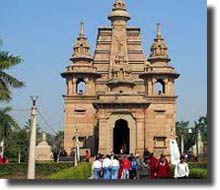
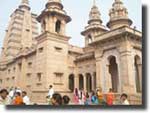
Sarnath Temple is located in the northen Indian state of Uttar Pradesh at a distance of 8 km from Varanasi. Sarnath Temple is the scared place where Lord Buddha delivered his first sermon to his five disciples, who was preaching the middle path for attaining 'Nirvana'. Realizing such sanctity of the site, the great emperor Ashoka took up the charge to build some of the finest monuments and legacies in the 3rd century B.C here.

Significance of the temple

Sarnath has been a world famous Buddhist site in Varanasi. Lord Buddha preached his first sermon at a deer park. The sermon is known as Dhammachakkapavattana or setting in motions the Wheel of Law in Buddhism. Sarnath gradually became one of the great centres of Buddhism. The great Emperor Ashoka erected magnificent stupas and structures in Sarnath. In 640 AD, the Chinese scholar Huien Tsang who visited Sarnath wrote about the splendour of the city. In 1836, this place was rediscovered and excavated. Sarnath in Varnasi is one of the holiest sites that attract the people from all over the world. The people visit Sarnath to pay homage to the great teacher and to attain spiritual perfection.

Buddha's first ever discourse, delivered here at Sarnath, is known in Pali as the Dhammacakkhapavathana Sutta. Other Stupas in Sarnath include the Anattalakhana Sutta and the Saccavibhanga Sutta. The great Buddha's central teaching after his enlightenment centered on the Four Noble Truths which concerns about the meaning of life and even the Noble Eightfold Path which is concerned about the right way to live.

The Great Teacher Buddha spent the rainy season in Sarnath at the Mulagandhakuti vihara. Buddhism flourished in Sarnath as part because of the support of kings and wealthy merchants based in nearby Varanasi. By the 3rd century Sarnath had become an important center for the arts, which reached its zenith during the Gupta period (4th-6th century AD). When Hsuan Tsang visited from China in the 7th century, he found 30 monasteries and 3000 monks living at Sarnath.

Sarnath became a major center of the Sammatiya school of Buddhism, one of the Nikaya or Hinayana schools. The presence of images of Heruka and Tara indicate that Vajrayana Buddhism was also practiced here.n 12th century's end Sarnath was sacked by Turkish Muslims. Long ago after attaining the enlightenment at Bodhgaya, Lord Buddha went to Sarnath. In Sarnath, the stream of the Buddha's teaching first flowed. Then here at this place Buddha encountered the five men who had been his companions of earlier austerities. The Deer Park, in Sarnath is where Buddha delivered his first sermon, or in religious language, set in motion the Wheel of Law (Maha-Dharmachakra Pravartan). The Emperor Ashoka (304 - 232 BC), who spread the Buddha's message of love and compassion throughout his vast empire, visited Sarnath around 234 BC, and erected a stupa here. The largest monastery constructed during the Muslim rule was Dharma-Chakar-Jina Vihar. This Vihar was erected by Kumardevi, wife of King Govinda Chandra, who ruled over Banaras during 1114 to 1154. In 1194 AD, Qutb-ud-din-Aibak, the Muslim conqueror, leveled the city to the ground. Sarnath became a forest of debris below which the historical ruins remained buried. Several Buddhist structures were raised at Sarnath between the 3rd century BC and the 11th century AD.


places to visit

The Sarnath Temple is embedded with many Stupa worth visiting.

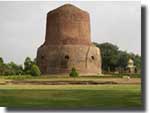
'Dhamek' Stupa

'Dhamek' stupa which is 34 metres high stands as a remarkable structure containing the remains of Lord Buddha. This stupa is now graceful and pleasant, one can breathe the spirit of the enlightened one, and it glows with the devotion of the many followers who inhabited it through the centuries that followed. Dhamek stupa is built with mix partly of stone and partly brick. The lower part of stone face is beautified with delicate floral carvings of Gupta period.

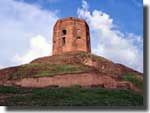
Choukhandi Stupa
Choukhandi Stupa

Choukhandi Stupa was built in 1555 A.D. by Mughal Emperor Akbar and is believed to be the place where Lord Buddha met his five disciples. The magnificent and marvelous Ashoka pillar states the visit of emperor Ashoka to Sarnath. Originally the stupa was adorned by a capital of four lions, now housed in the Sarnath museum. Then the capital became the state emblem of modern India.

Mulgandha Kuti Vihara

Mulgandha Kuti Vihara was built in 1930 and is a Tibetan Buddhist shrine which treasures sacred antiques from various places and even the golden statue of Buddha. The Stupa is adorned with fantastic frescoes by Japanese artist, Kosetsu Nosu. This place also has few Chinese and Jain temples. The 'Bodhi' tree growing within the campus is believed to be the offspring of one under which Buddha had attained enlightenment in Bodh Gaya.

Ashoka Pillar

This pillar was erected by the Emperor Ashoka. The pillar had his edict engraved on it. This stupa is about 15.24 m in height and had four lions as its capital which is now treasured in the archaeology museum. The lion symbolises both Ashoka's imperial rule and the kingship of the Buddha. The four-lion capital was adopted as the emblem of the modern Indian Republic.

Sarnath Museum

Sarnath yielded a rich collection of sculptures comprising numerous Buddha and Bodhisattva images. Considered amongst the finest specimens of Buddhist art, these have been housed at the museum, adjacent to the site. The museum is open from 10 am to 5 pm, and closed on Fridays. Apart from the above the other objects of interest at Sarnath are the Dharmrajika Stup, magnificent Lion capital, India's National Emblem at Sarnath museum, the Saddharmachakra Vihar's at excavated ruins. The museum exhibits a magnificent statue of the Buddha turning the wheel of law, and many other excavations that exhibit the flowering of the Indian Plastic arts.

Sarnath Museum
Bodhi Tree
Bodhi Tree

The sapling of the Bodhi tree was brought from the famous tree in Anuradhapura, Sri Lanka, which in turn originated from the original tree at Bodhgaya, under which the Lord Buddha attained enlightenment about 2,500 years ago.

Time to Visit

Pleasant time to visit Sarnath Temple is October to March.

Accommodation Facilities at the Temple


Not much accommodation options are available in Sarnath. The more convenient way is to stay in Varanasi, which has accommodation options in all the three different categories.

One can find Anand Restaurant, Sarnath, Rangoli Garden, Sarnath, Mrigdav Restaurant, Sarnath State Bank of India, Ashapur, Sarnath, Canara Bank, Central Bank, Ashapur


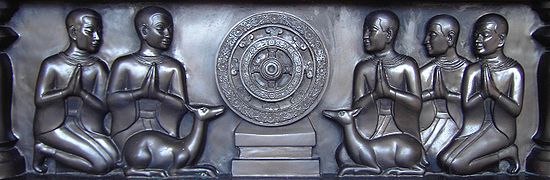
The first five disciples pay respects to the Wheel of the Dharma

BabyHimavari thumbnail
13th Anniversary Thumbnail Trailblazer Thumbnail + 4
Posted: 12 years ago

Madhyamaheshwar


Madhyamaheshwar or Madmaheshwar is a Hindu temple dedicated to god Shiva, located in the Mansuna village ofGarhwal Himalayas in Uttarakhand, India. Situated at an elevation of 3,497 m (11,473.1 ft), it is the fourth temple to be visited in the Panch Kedar pilgrimage circuit, comprising five Shiva temples in the Garhwal region. The other temples in the circuit include: Kedarnath, Tungnathand Rudranath to be visited before Madmaheshwar and Kalpeshwar to be visited after Madmaheshwar. The middle (madhya) or belly part or navel (nabhi) of the bull, considered a divine form of Shiva, is worshipped at this temple, believed to be built by the Pandavas, the heroes of the Hindu epic Mahabharata.

Legend

Early morning view of the temple in foggy weather

The legend of Madhyamaheswar is an integral part of the legend of Panch Kedar, which is a captivating narration of the efforts of Pandavas to atone for the sins of their fratricide (gotra- hatya) act of killing their cousins, the Kauravas, and Brahmanahatya (killing of Brahmins - the priest class), during the epic Mahabharata war. On advice from sages and their trusted benefactor godKrishna they sought Lord Shiva to pardon them and bless them to attain salvation. Since Shiva was annoyed with them for their conduct during the Kurukshetra war, he tried to avoid them by assuming the animal form of a bull or Nandi and hid himself in the Himalayan Garhwal region. But the determined Pandavas, after sighting Shiva in the form of the bull grazing in the hills of Guptakashi, tried to forcibly hold the bull by its tail and hind legs. But the bull disappeared into the ground to reappear later in his original self of Lord Shiva at five places; in the form of a hump atKedarnath, in the shape of bahu (arms) at Tungnath, with his face at Rudranath, his nabhi (navel) and stomach at Madhyamaheswar and his hair (locks) called jata at Kalpeshwar. Pandavas, pleased with the revelation of Lord Shiva at five places in different forms, built temples at these five places, worshipped him and attained salvation with blessings of Shiva.[1][2]

Structure

The temple in the north Indian style of architecture, is situated in a lush meadow, just below a high ridge. The older, so-called 'Vriddh-Madmaheshwar', temple is a tiny blackened shrine on the ridge, which looks straight up at the commanding Chaukhamba peaks. In the current temple, a navel-shaped Shiva-lingam, made of black stone, is enshrined in the sanctum.[1] There are two other smaller shrines, one for Shiva's consort Parvati and the other dedicated to the Ardhanarishwara, a half-Shiva half-Parvati image. Bhima, the second Pandava brother is believed to have built this temple and worshipped Shiva here. To the right of the main temple there is a small temple where the image ofSaraswati, the Hindu goddess of learning, made of marble is installed in the sanctum.[3]

Worship

Madhyamaheshwar idol is worhsipped at Ukhimath during winter months

The water from the temple precincts is considered so highly sacred that even a few drops are stated to be adequate for ablution. The worship at this temple starts from a specified time period from the beginning of the summer months after the winter and lasts till October/November from start of the winter season when the temple precincts are not accessible due to snow conditions. During the winter period, the symbolic idol of the god is shifted with religious formalities to Ukhimath for continued worship. Priests at this temple, as in many other temples in the state, are from South India and at this particular temple they are called Jangamas of the Lingayat cast who hail from Mysore in Karnataka state. This induction of priests from outside the state enhances the cultural communications from one part of the country to the other, with language becoming no barrier. It is one of an important sacred pilgrimage centres of Shastrik (textual) importance categorized as Panchasthali (five places) doctrine. This doctrine has been determined on the basis of sectarian association, fairs and festivals, offerings to the deity, sacred declarations made by devotees and specific blessings sought from the god through prayers at different temples. 2 km. away is a small temple called Bura Madhyamaheswar. One has to trek 2 kilometers up the steep ways through large moors and valleys and then would reach in a small lake, where a full Panoramic range of Himalayas consisiting of the peaks, Chaukhamba, Kedarnath, Neelkanth, Trishul, Kamet, Panchulli, etc.[4]

Geography

Chukhamba (four peaks) range

The temple is in a picturesque green valley surrounded by snow peaks of Chaukhamba (literal meaning is four pillars or peaks), Neel Kanth andKedarnath in high Himalayan hill ranges.[1][5] The Kedar hills, called the Kedar Massif, gives a spectacular view of the mountain formation with numerous glaciers which include the source of the Mandakini River. The region has rich flora and fauna, particularly the endangered species of Himalayan Monalpheasant and Himalayan Musk Deer (locally called Kasturi deer) in the Kedarnath Wild Life Sanctuary.[2]

Access

Ransi temple on the way to Madhyamaheshwar
Panch Kedar
Kedarnath Temple.jpg
Kedarnath
Tungnath temple.jpgRudranath temple.jpg
Tungnath Rudranath
Madhyamaheswar.jpgKalpehswar.jpg
Madhyamaheshwar Kalpeshwar

The total trek length to cover all the five temples of Panch Kedar is about 170 km (105.6 mi) (including road travel up to Gaurikund), involving 16 days of strenuous and rewarding effort. The trek starts from Gauri Kund, one of the picturesque spots, provides spectacular views of the Himalayan range of hills in the entire Garhwal region, comparable to the Alps.

The trekking is undertaken during two seasons; three months during summer and two months after the monsoon season, as during the rest of the period, except Rudranath, the other four Panch Kedar temples are inaccessible due to snow cover

Madhyamaheshwar Temple is on the Kedarnath road linked by a 13 km (8.1 mi) road to Kalimath from Guptakashi (1,319 m (4,327.4 ft)).[5] Further approach from Guptakashi to the temple (3,490 m (11,450.1 ft)) is only by a 24 km (14.9 mi) trek after 6 km (3.7 mi) by road journey. Guptakashi is on the state highway from Rishikesh via Devprayag, Rudraprayag and Kund. Rishikesh is the entry point to the pilgrim centres of Garhwal Himalayas and is connected by train to the rest of the country. The nearest airport is Jolly Grant at a distance of 18 km (11.2 mi) from Rishikesh, closer to Dehradun, which connects to other destinations in India. The temple is at a distance of 244 km (151.6 mi) from the airport and 227 km (141.1 mi) from Rishikesh, the rail head. From Rishikesh to Kalimath the road distance is 196 km (121.8 mi). Alternatively, Madhmaheshwar shrine could be reached from Uniyana, via Ukhimath. From Uniyana, the route passes through Ransi (3 km) then Gaundhar (9 km), Bantoli (1 km) and further 9 km moderate climb via Khakhra Khal, and Maikhumba to reach the temple [1]

The base of the trek is Uniana which is 18 kilometres away from Ukhimath. From there the trekking way starts. After 3 kilometres is Ransi village a small chatti, with a place to stay. Then after long 6 km. comes Gaundhar where there are 3 lodges to stay. After 1 km lies Bantoli, the point of confluence of Madhyamaheswar Ganga and Martyenda Ganga. Then comes Khatara, Nanu, and then comes Madhyamaheswar. The proper trekking distance is 19 kilometres from Uniana.

Gaundhar and Kalimath are two important places on the route to Madhyamaheshwar. Kalimath (1,463 m (4,799.9 ft)) in particular, is of importance for the large number of pilgrims who visit the place for spiritual comfort and hence it is called the Sidh Peeth (Spiritual center). Kalimath is famous for the temples to goddesses Mahakali and Mahalakshmi, and gods Shiva and one of his ferocious forms - Bhairava.[5] Thenavratri time is of special significance at this place when much large devotees visit the place. Gaundhar, the last settlement on the trek route and close to the temple, is at the confluence of Madhyamaheshwar Ganga and Markanga Ganga rivers and offers enchanting views.

Edited by ifians - 12 years ago
BabyHimavari thumbnail
13th Anniversary Thumbnail Trailblazer Thumbnail + 4
Posted: 12 years ago

Bateshwar, Uttar Pradesh

Bateshwar is a village on the banks of the river Yamuna in the northern state of Uttar Pradesh, India. Bateshwar is situated at a distance of 70 km from Agra. It is an important spiritual and cultural centre for Hindus. It is known for the 101 Shiv Temple Complex, where an annual Religious and Animal Fair is organised.

The name Bateshwar is derived from the main Bateshwarnath Temple dedicated to Lord Shiva (Bateshwarnath Mahadev). As per the mythology and legends, here under a marvelous Banyan tree (Bat in Sanskrit), lived a Shiv devotional eremite, who raised a shrine to Shiva that came to be known as Bat-Ishwar; the banyan lord.

Bateshwar Temples 70 km from Agra, Uttar Pradesh, India

Since ages Bateshwar remained a renowned religious centre both for Hindu and Jain communities. I the great epic of Mahabharat Bateshwar is referred as Shouripur a flourishing suburb, beginning as early as 3000BC It is known for 101 Shiv Temples built by Raja Badan Singh Bhadauria on a dam on the banks of Yamuna. Shaouripur, near Bateshwar, which is the birthplace of the 22nd Tirthankar of Jain faith, Lord Neminath. Each year the region hosts a cattle fair in October and November. The commerciallivestock event is also of significance to Hindus, who make pilgrimage to the river Yamuna in honor of Lord Shiva.

Bateshwar has long been celebrated for its annual fair, believed to have been a fixture since time immemorial given the significance of Shoripur/Bateshwar in Hindu mythology. Although the origins of this ancient fair are religious, and of immense importance in the Hindu religious calendar, the fair is also of great commercial value and is renowned as the 2nd largest animal fair in the country (Sonepur in Bihar being the largest).


BabyHimavari thumbnail
13th Anniversary Thumbnail Trailblazer Thumbnail + 4
Posted: 12 years ago

Kalpeshwar


Kalpeshwar is a Hindu temple dedicated to Lord Shiva located at an elevation of 2,200 m (7,217.8 ft) in the picturesque Urgam valley in the Garhwal region of Uttarakhand state in India. The temple's ancient legend linked to the Pandavas, heroes of epicMahabharata eminence is the fifth temple of the Panch Kedars (five temples) of Shiva's five anatomical divine forms; the other four temples in the order of their worship are Kedarnath, Rudranath, Tungnath and Madhyamaheshwar temples; all in the Kedar Khand region of the GarhwalHimalayas. Kalpeshwar is the only Panch Kedar temple accessible throughout the year. At this small stone temple, approached through a cave passage, the matted tress (jata) of Lord Shiva is worshipped. Hence, Lord Shiva is also called as Jatadhar or Jateshwar. It is approachable only by 12 km (7.5 mi) trekking from the nearest road head of Helong on the Rishikesh-Badrinath road.

The epic legend narrated on the creation of the Panch Kedar temples is that Pandavas of Mahabharata epic history, while chasing Lord Shiva to seek his pardon for the fratricidal sins committed by them during the Kurukshetra war, realized that Shiva, in order to distance himself from the Pandavas, took the incognito form of a bull. But when this form of Shiva was discerned by Bhima, the second of the Pandava brothers, tried to hold on to the bull's tail and hind legs. But the bull vanished underground at Guptakashi. Subsequently it reappeared in five different forms: His hump appeared at Kedarnath, his bahu (arm) was spotted at Tungnath, his head surfaced at Rudranath, the stomach and navel were traced at Madhyamaheswar and his jata (tress) was divined at Kalpeshwar.[4] Another legend states that this place was much preferred by sages of folklore for meditation. Particular mention is made of sage Arghya who through his austere penance created Urvashi, the famousapsara (nymph) at this place. Durvasa, an ancient sage, son of Atri and Anasuya, considered an incarnation of Shiva, known for his short temper did penance and meditated under the Kalpavriksha, the wish fulfilling divine tree in the precincts of the temple.[3] Further, it is said that Durvasa had given Kunti, mother of Pandavas, a boon that "she could invoke any of the forces of nature and they would appear before her and grant whatever she desired". Once, when Pandavas, were in exile here, in order to test them Durvasa visited them along with his desciples and desired to be dined by them. Unfortunately, there was no food available within the house to feed the surprise guests. Draupadi, wife of Pandavas, sought Lord Krishna's help. Krishna materialised on the scene and solved the problem.[5]Legend

Worship

The temple priests at this temple also are the Dasnamis and Gossains, desciples of Adi Shankara. At Tungnath also the priests are Khasiya Brahmins. These priests hail from South India; the Namboodiri brahmin sect who worship at Badrinath and Kedarnath from Kerala, theJangamas are lingayats from Mysore and the Dasnami Gossains belong to Adi Shankara's group. The priests at the Rudranath temple areDasnamis and Gosains.[6]

Geography

An evening view of snow peaks seen in Garhwal Himalayas
View of nada devi Peak

The Kalpeshwar temple is located in the Urgam valley of the Himalayan mountain range near Urgam village (2 km (1.2 mi) short of the temple). On the bridle path from Helang to Kalpeshwar, the enchanting confluence of the Alaknanda and Kalpganga rivers is seen. Kalp Ganga river flows through the Urgam valley. The Urgam valley is a dense forest area. The valley has apple orchards and terraced fields where potato is grown extensively

Access

Access to Kalpeshwar by road up to Urgam is from Rishikesh, a distance of 253 km (157.2 mi) on the Rishikesh-Badrinath road. Earlier the trek route existed from Helang to Kalpeshwar via Urgam village for a distance of 10 km (6.2 mi). But now a good jeep-able road is constructed from Helang to Urgam, so from Urgam it's just 2 km trek to reach Kalpeshwar. The nearest airport is at Jolly Grant, Dehradun at a distance of 272 km (169.0 mi) and the nearest railhead, Rishikesh, is 255 km (158.4 mi). Boodha Kedar temple surrounded by potato fields is seen on the trek route. Also seen is the Dhyan Badri temple at Urgam Village, one of the Sapt Badri (seven Badri) temples.[10]

Panch Kedar
Kedarnath Temple.jpg
Kedarnath
Tungnath temple.jpgRudranath temple.jpg
Tungnath ' Rudranath
Madhyamaheswar.jpgKalpehswar.jpg
Edited by ifians - 12 years ago
BabyHimavari thumbnail
13th Anniversary Thumbnail Trailblazer Thumbnail + 4
Posted: 12 years ago

Rudranath


Rudranath is a Hindu temple dedicated to god Shiva, located in the Garhwal Himalayan mountains in Uttarakhand, India. Located at 2,286 metres (7,500 ft) above sea level, this natural rock temple is situated within a dense forest of rhododendron dwarfs and Alpine pastures. The temple is the third temple to be visited in the Panch Kedar pilgrimage circuit, comprising five Shiva temples in the Garhwal region. The other temples in the circuit include: Kedarnath and Tungnath to be visited before Rudranath and Madhyamaheshwar or Madmaheshwar and Kalpeshwar to be visited after Rudranath. The face (mukha) of god Shiva is worshipped as "Nilkanth Mahadeva" here.

View from Naola Pass
View of Nanda Devi

The Rudranath temple is believed to be established by the Pandavas, the heroes of the Hindu epic Mahabharata. Legend has it that the Pandavas came to the Himalayan mountains in search of god Shiva, to redeem them of the sins of killing in the epic Kurukshetra war. God Shiva did not wanted to meet them and escaped in form of a bull in the ground and reentered in parts in the Panch Kedar places: the hump raising in Kedarnath, the arms appearing in Tunganath, the navel and stomach surfacing in Madhyamaheswar, the face showing up at Rudranath and the hair and the head appearing in Kalpeshwar.[3] In winter, a symbolic image of Shiva is brought to Gopeshwar for worship. The Doli Yatra starts from Gopeshwar via Sagar. The Doli Yatris cross Lyuti Bugyal and Panar and finally reach Pitradhar. The worship of ancestors is done here. Then, after crossing Dhalabni Maidan, the Doli or the symbolic image of Shiva, reaches Rudranath.Here first the Vandevi is worshipped. The local belief is that Vandevi protects the area. The Kheshtra is protected by Vandevi or Vandevatas. The temple celebrates an annual fair on the full moon day in the Hindu month of Sravan (July'August) that is mostly on the day of Rakshabandhan. The fair is attended mainly by locals.[3] The priests at the Rudranath temple are Bhatts and Tiwaris of Gopeshwar village.[4]Legends and worship

At Nandikund (2,439 m/8,002 ft), on the trekking route to Rudranath (if coming via Madhmaheshwar), devotees worship old historic swords protruding from the rocks, believed to be of Pandavas.[5]

Geography

Panch Kedar
Kedarnath Temple.jpg
Kedarnath
Tungnath temple.jpgRudranath temple.jpg
Tungnath ' Rudranath
Madhyamaheswar.jpgKalpehswar.jpg
Madhyamaheshwar ' Kalpeshwar


There are numerous sacred water tanks ("Kund") near the temple. These include Surya-kund, Chandra-kund, Tara-kund, Mana-Kund etc. Nanda Devi, Trishul and Nanda Ghunti are the famous mountain peaks, which provide the backdrop to the temple.[6] The holy river Vaitarani or Baitarani or Rudraganga flows near the temple, which has a grey stone idol of Rudranath.[1][7] The river is identified with the "river of salvation", where souls of the dead cross to reach the other world. Thus, devotees visit Rudranath to perform rituals of the dead, such as performing apind offering. Some believe that offering a pind to ancestors here equals offering a hundred million at the holy city of Gaya.[1][6] The mountain peaks of Trisul, Nanda Devi, Devasthan, Hathi Parbat and Nanda Ghunti are visible from Rudranath.[3] The name "Rudranath", literally means, "Him who is Angry." The mountain cave of Rudranath was modified into the temple we see today.

Access

Rudranath is sometimes considered as the toughest Panch Kedar temple to reach.[6]


The nearest airport is Jolly Grant, Dehradun (258 km/160 mi). The nearest railway station isRishikesh (241 km/150 mi).[2] Most trekking routes to Rudranath are from Gopeshwar or nearby places. A motorable road is present up to the village Sagar ' 5 km (3 mi) from Gopeshwar, beyond which a 20 km (12 mi) trek has to be undergone to reach Rudranath. The trek winds through tall grass, oak and rhododendron forests. The trek path is stated to be slippery.[7] Other routes include: an uphill, 17 km (11 mi) trek from Gangolgaon ' 3 km (2 mi) from Gopeshwar ' through the forest and Panar and Naila shepherd settlements.[8] Another trek route from Gopeshwar to Rudranath passes via Mandal (13 km/8 mi) and then additional 6 km (4 mi) to the Anusuya Devi temple and then another 3 km (2 mi) to Rudranath. The Anusuya Devi temple is home to goddess Anusuya, who is believed to help devotees in distress.[2] A 45 km (28 mi) trek path is available from Joshimath via Helang too (considered a strenuous trek).[1] There's also a trekking route to Rudranath from Kalpeshwar, via Dumak,Kalgont Kimana and Palla. The route meets at Urgam village, a little ahead of which is Kalpeshwar.

Edited by ifians - 12 years ago
harshdb thumbnail
14th Anniversary Thumbnail Stunner Thumbnail + 4
Posted: 12 years ago

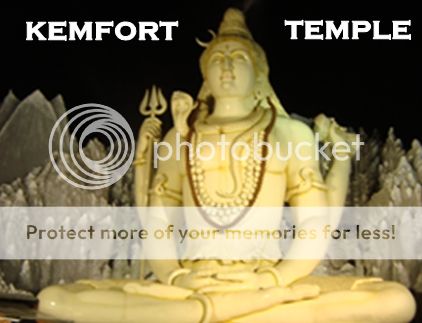
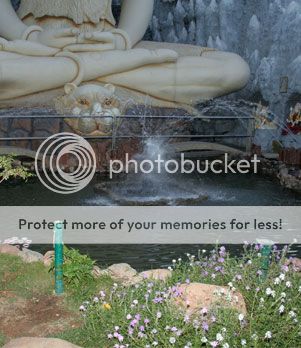
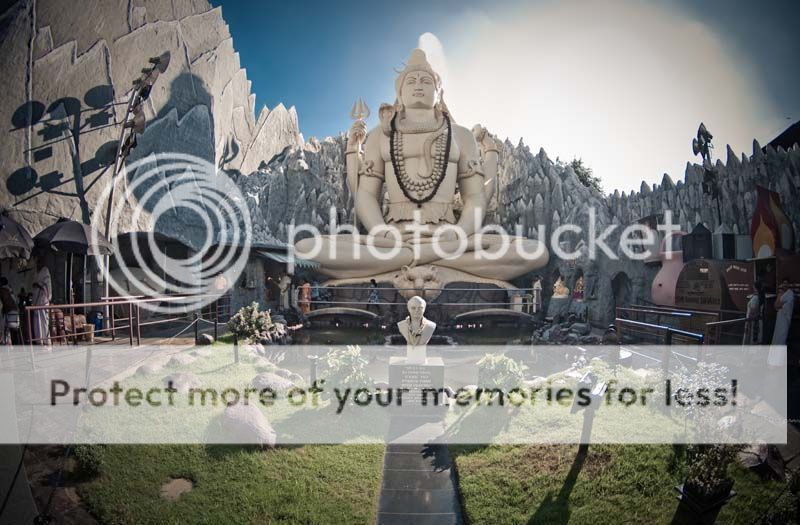
Bangalore Kempfort Temple ( RVM "Shiv Mandir")


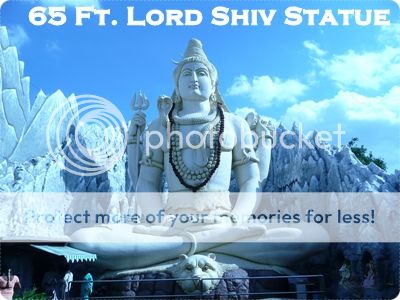
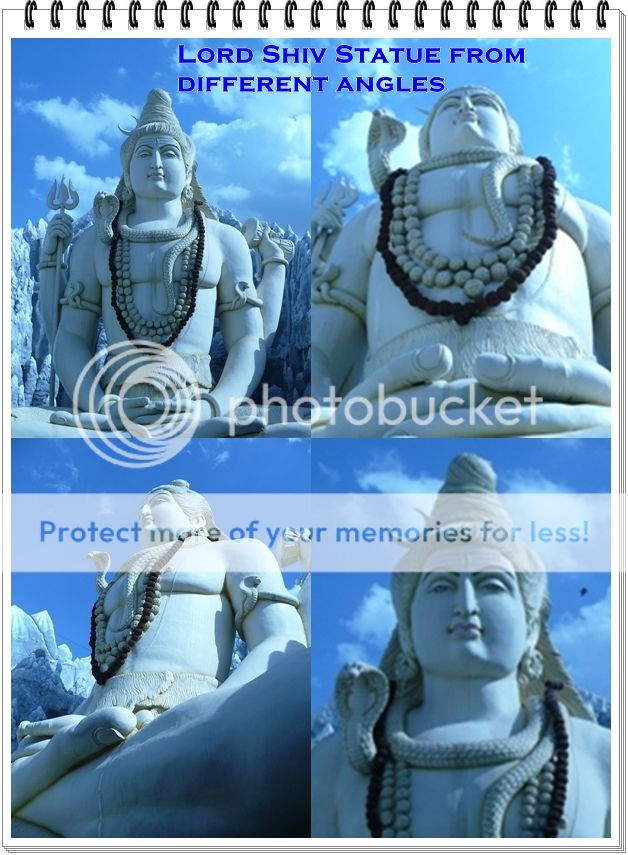
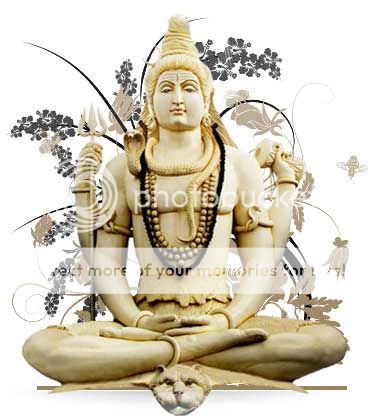
A temple that is famous for its 65-ft tall statue of Lord Shiva. A temple which everyone must see, who visit the city. The temple was located behind a shopping mall at kempfort in Balnglore.

My Experience:

When I visited the temple for the first time, I was struck by the beauty of the place. there was something awe-inspiring about the huge Shiva statue, something about it that made me feel peaceful. The place itself was beautiful. Only disadvantage of the temple I felt was its too commercialized. For each and everything we have to pay. Other than this one, the temple was fantastic.
About the Temple:

The Shiva Statue is 65 feet. It is located on the Airport Road just behind Kemp Fort. The statue depicts Lord Shiva who is seated in Padmasan or Lotus position. This is the largest Shiva statue in India. It started when the founder RVM had a different vision. He dreamt that he had to construct a temple which would be an embodiment of peace. So this huge Lord Shiva statue came into being and the River Ganges looks beautiful as she is depicted to flow out of his matted hair. The entire area is calm and serene and this place is today a great tourist attraction.

Believed to have started in the year 1994, this is a total work of unity and effort. The stature of Lord Shiva is around 65 feet in height and the temple got completed in the year 1995. On the Maha Shivratri this year, the temple got inaugurated. It was His Holiness Sri Shankaracharya who inaugurated this temple. Hindus believe that the Sankaracharya is an incarnation of Lord Shiva.

Today the temple is famous for its exquisite architecture and its excellent construction and also for its miraculous powers. The temple is said to have innumerable devotees coming here for praying and getting many miracles happen.


Main Attractions:

There are many attractions for this temple

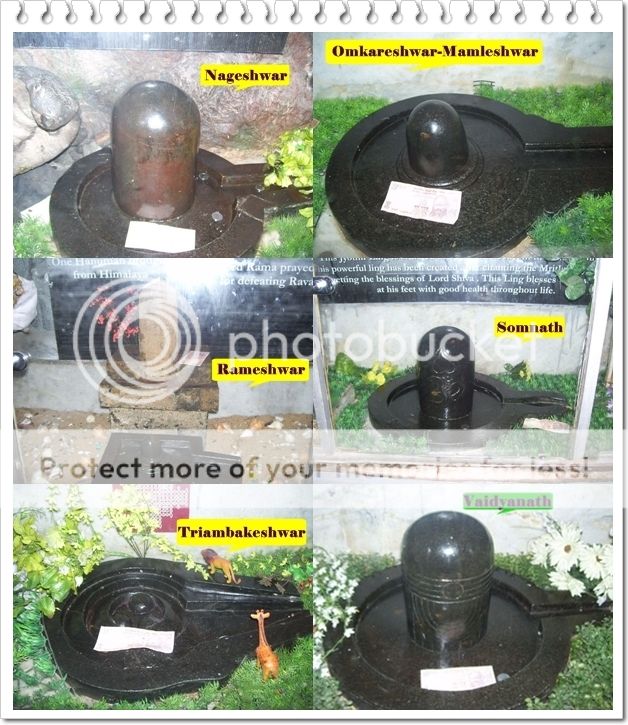
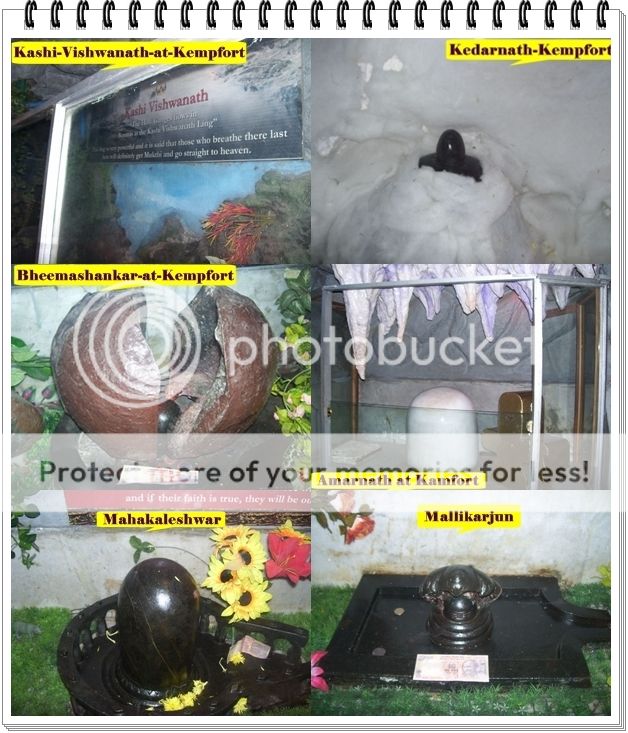
For me, the main attraction is Barah linga Yatra (12 Jyothirlinga) which is a feat of around 12 animatronics. The devotees go on a holy pilgrimage tour and the advantage is that it is all under the same roof. There is a lot of vibration in the temple and there is a sense of belonging in this temple. Devotees have a lot of reverence and respect for the temple and they embark on a journey which covers 12 destinations from the regions of Mahakaleshwar to the area of Rameshwaram, from Vaidyanath to Somnath.

The Barah Linga Yatra fulfills all your religious desires. The Kempfort Shiva temple organizes this Yatra and makes your dreams come true spiritually.

Barah linga Yatra (12 Jyothirlinga)@ CAMEFORT TEMPLE


65-feet-tall Shiva Statue:

(The full view of the lord.)

The Shiv Mandir, located in the heart of Bangalore, is abode to the 65-feet-tall Shiva statue. Seated in a Yogic posture, the deity is a towering symbol of faith. The majestic Lord, in a lotus position, sits in a scenic spot, with the backdrop of Mount Kailash and the Ganges flowing from the Lord's matted locks. The sense of tranquility that one can experience by looking at the 65-feet marvel, in the Himalaya, with the blue sky moving above, is overpowering. The look on Lord Shiva's face is so serene that it calms anyone who looks into his eyes. The positive energy that exists in the place is overwhelming. To stand beneath the powerful God and surrender oneself completely is a positively exuberating feeling one must experience.


32-feet-tall Ganesh Statue:


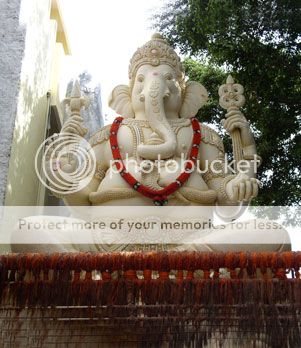
Upholding the tradition of worshipping Lord Ganesh before all endeavors, the 32-feet-tall Vignaharan Ganesh is the first deity you will be offering prayers to at the temple. The white statue of the Vignaharan Ganapati is seated first in your path of pilgrimage at the Shiv Mandir, blessing you with his right hand and a modak in his left hand. The word Vighnaharan means "remover of all obstacles." You can feel his presence as this supreme Vignaharan Ganapati, along with our worldly problems, lifts the veil of spiritual obstacles that cloud our visions and elevates our level of consciousness.

There will be stairs to reach to Statue. Devotees can Lord Ganesh Feet and take blessings.

Navagraha Temple:


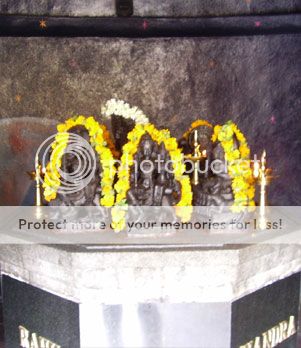
his place is called "God's very own Universe," as it consists of images of the powers of the 9 planets that rule our fate. As you do the parikramas or circumambulate the Navagraha, you can offer prayers. Performing Shani puja here can ensure wealth and prosperity for your family.

Pratyaksh Ling


The Pratyaksh Ling is hidden under the sacred waters of the Mansarovar Lake and appears only during the aarti in the morning, evening, and midnight. After the aarti is over, the Ling disappears! This symbolic gesture tells us that God's miracles are mystical and everything happens only at the right time as per His wish. This implication suggests us to have Faith because God can turn the impossible into possible. The aarti itself is a special blessing, but praying to the Pratyaksh Ling is a symbolic prayer to God's greatness, acknowledging the fact that God will make the unexpected happen.

Letter to God


Writing a letter to God is a practice at the Shiv Mandir. Devotees can write a letter to God, sharing with him all their worries in the letter. They drop it in the havan kund with faith and God will take charge and relieve them of their worries.

Upchaar Patthar (The healing stone)

Faith is Magical! (Magical Pond)


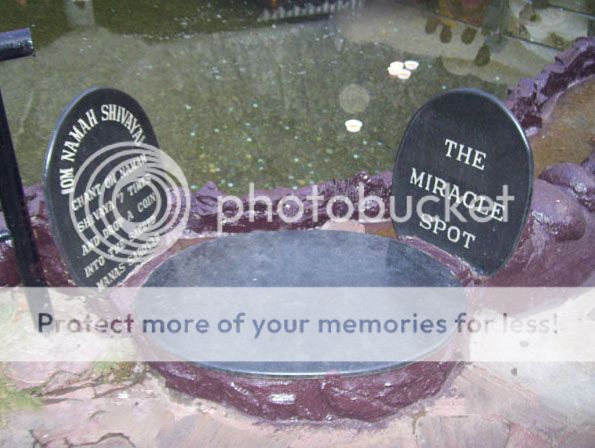
The Upchaar Patthar, at RVM Shiv Mandir, is a healing stone known to have magically cured numerous ailing patients. God gives Life and takes it away. With him, miracles are possible. Miracles are born out of faith. Many devotees have touched this Upachaar Patthar (Healing Stone) and have been cured. Visit the temple, Touch this stone with Faith and be healed!

Even when Science fails, Faith works!

Have faith in God and let the magic begin.

About the Temple:

The RVM "Shiv Mandir" Story

It all happened one morning during RVM's 'Thought Time, a time for introspection. RVM was trying to connect with the Universal Power, when suddenly he got a Vision ' a Vision to build a temple where a huge statue of Lord Shiva would stand, building Faith, Hope and Belief for generations to come.


Credit: google search and some of my own.

Edited by harshdb - 12 years ago
Kore-Soteira thumbnail
13th Anniversary Thumbnail Dazzler Thumbnail + 2
Posted: 12 years ago
BHIMASHANKAR TEMPLE,
KHED, PUNE, MAHARASHTRA, INDIA
Other names:- Moteshwar Mahadev
Proper name:- Bhimashankar Shiva Mandir
Country:- India
State:- Maharashtra
District:- Pune
Locale:- Bhimashankara
Primary deity:- Bhimashankara(Shiva)
Architectural style:- Nagara

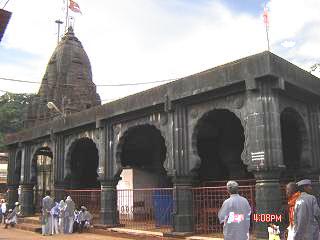
Bhimashankar Temple is a Jyotirlinga shrine located 50 km northwest of Khed, near Pune, in India. It is located 127 km from Shivaji Nagar (Pune) in the Ghat region of the Sahyadri hills. Bhimashankar is also the source of the river Bhima, which flows southeast and merges with the Krishna river near Raichur. The other Jyotirlinga shrines in Maharashtra are Trimbakeshwara near Nashik and Grishneshwar near Ellora around Aurangabad.
  • JYOTIRLINGA:- As per Shiv Mahapuran, once Brahma (the Hindu God of creation) andVishnu (the Hindu God of saving) had an argument in terms of supremacy of creation. To test them, Shiva pierced the three worlds as a huge endless pillar of light, the jyotirlinga. Vishnu and Brahma split their ways to downwards and upwards respectively to find the end of the light in either directions. Brahma lied that he found out the end, while Vishnu conceded his defeat. Shiva appeared as a second pillar of light and cursed Brahma that he would have no place in ceremonies while Vishnu would be worshipped till the end of eternity. The jyotirlinga is the supreme partless reality, out of which Shiva partly appears. The jyothirlinga shrines, thus are places where Shiva appeared as a fiery column of light. Originally there were believed to be 64 jyothirlingaswhile 12 of them are considered to be very auspicious and holy. Each of the twelve jyothirlinga sites take the name of the presiding deity - each considered different manifestation of Shiva. At all these sites, the primary image is lingam representing the beginningless and endless Stambha pillar, symbolizing the infinite nature of Shiva. The twelve jyothirlinga are Somnathin Gujarat, Mallikarjuna at Srisailam in Andra Pradesh, Mahakaleswar at Ujjain in Madhya Pradesh, Omkareshwar in Madhya Pradesh, Kedarnath in Himalayas, Bhimashankar in Maharastra, Viswanath at Varanasi in Uttar Pradesh, Triambakeshwar in Maharastra, Vaidyanath at Deogarh in Jharkand, Nageswar at Dwarka in Gujarat, Rameshwar at Rameswaram in Tamil Nadu and Grishneshwar in Maharashtra.
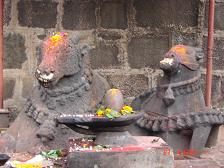
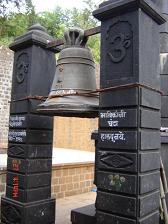
  • ARCHITECTURE:-The Bhimashankara temple is a composite of old and the new structures in the Nagarastyle of architecture. It shows the excellency of the skills achieved by ancient Vishwakarma sculptors. It is a modest yet graceful temple and it dates back to 13th century and the sabhamandap developed in 18th century by Nana Phadnavis. Theshikhara was built by Nana Phadnavis. The great Maratha ruler Shivaji is said to have made endowments to this temple to facilitate worship services. As with other Shiva temples in this area, the sanctum is at a lower level. Although the structure here is fairly new, the shrine Bhimashankaram (and the Bhimarathi river) have been referred to in literature dating back to the 13th century CE.Saint Janeshwar is said to have visited Tryambakeshwar and Bhimashankar. A unique bell (Roman style) can be seen in front of the temple which was presented by Chimaji Appa (Brother of Bajirao Peshwa I and uncle of Nanasaheb Peshwa). Chimaji Appa collected two large bells after he won in war against the Portuguese from Vasai Fort. He offered one here at Bhimashankar and the other at Menovali near Wai in front of a Shiva Temple on the banks of the Krishna river.
  • SURROUNDINGS:- There are Buddha style carvings of Amba-Ambika, Bhootling and Bhimashankar in the hills of Manmaad near Bhimashankar at a height of 1034 metres. A big bell in Hemadpanthi structure built by Nana Phadanavis is a feature of Bhimashankar. Places that can be visited in are Hanuman Lake, Gupt Bhimashankar, Origin of River Bhima, Nag Phani, Bombay Point, Sakshi Vinayak and a lot more. Bhimashankar is a conserve red forest area and wildlife sanctuary where a variety of birds, animals, flowers, plants can be seen. A rare animal "Shekru" can be found in deep woods. Bhimashankar is worth visiting for jungle lovers and trekkers as well as for pilgrims.This temple is very famous in Pune and people from all around the world come to visit this temple.
  • OTHER TEMPLES & SHRINES:- There is a shrine to Kamalaja near the Bhimashankara temple. Kamalaja is an incarnation of Parvati, who aided Shiva in his battle against Tripuraasura. Kamalaja was worshiped with offerings of lotus flowers by Brahma. Shaakini and Daakini the Shivaganas who helped Shiva in the battle against the demon are also honored and worshiped here. The Mokshakund thirtha is behind the Bhimashankara temple, and it is associated with the rishi Kaushika. There are also the Sarvathirtha, the Kusharanya thirtha where the Bhima river begins to flow eastward, and the Jyanakund.
  • WORSHIP:- Bhimashankar is an ancient shrine, one of the 12 Jyotirlingas of Shiva. Far away from the tumult of the urban life, peeping through the white fleecy clouds, Bhimashankar can be termed a pilgrim paradise. The dense forests surrounding the high ranges are an abode for rare species of flora and fauna. Situated at the extreme end of the Sahyadri Ranges, this place gives a wonderful view of the world around the rivers, and hill stations. Bhimashankar is the source of the Bhima River, which flows southeast and merges with the Krishna river. With endless stretches of virgin forests, lofty peaks that seem to reach out to the heavens, and the whispering waters of the Bhima River, Bhimashankar is definitely one of God's choicest creations.It seems as if Lord Shiva is keeping a silent vigil over the majestic ranges of the Sahyadris. The serenity interrupted only by the silent murmuring of the cool breeze and the occasional chirping of birds, Bhimashankar is a trekker's delight and a traveler's sojourn.
  • TRANSPORTATION:- Bhimashankar is approximately 127 km from Pune and 200 km from Mumbai. The route to Bhimashankar is via Manchar. The second route is from Rajgurunagar via Wada. One can go to this place, full of natural beauty and lovely scenery, and be back to Pune in one day. Bhimashankar is a good paradise for nature lovers, trekkers, jungle lovers and bird watchers. The best seasons to go are monsoon and winter. Bhimashankar is 74 miles or 127 km from Pune by road. State buses go there from Pune daily, with more than five hours of bus journey. During the Mahashivaratri festival, when there is a great fair at the temple, buses ply to and fro daily. It is accessible from Karjat on the Pune ' Mumbai section of the Central railway. There is no proper road from Karjat to Bhimashankar and only the devotees who wish to go to the temple on foot during festivals use this road. If coming from Aurangabad or Ahmednagar, move towards Alephata which is 30 km from Nagar. Then go to Manchar which is 60 km from Alephata. Take right from Manchar and after 59 km to reach Bhimashankar (Aurangabad to Ahmednagar is 112 km). Another root is via Sangamner, which lies on Nashik-Pune Road; from Sangamner go to Manchar and then follow the same route towards Bhimashankar, which is 59 km. From Pune ST buses are available from Shivaji Nagar Pune to Bhimashankar at 5:30 in the morning to 2:00 pm and a ticket is approximately 91/-. From Pune -> Rajguru Nagar -> Chas Kaman Dam -> Wada -> Bhimashakar; from Pune -> Rajguru Nagar -> Manchar -> Ghodegoan -> Bhimashakar; from Mumbai ->Chakan [i.e., exterior part of Pune] -> Rajguru Nagar(Khed) -> Manchar -> Ghodegoan -> Bhimashakar.
  1. From MUMBAI:- If coming from Mumbai, take Pune road. About 31.02 km from Deonar traffic junction lies the Mumbai Pune Expressway (NH-4) after crossing Navi Mumbai and Panvel. After 52 km from Panvel is Lonavala and 50 km from there is on NH-4 is Wadgaon. At Wadgaon, turn left on State Highway towards Chakan which is about 12 km. At Chakan, take NH 50 towards Manchar which is around 65 km to Bhimashankar. From Mumbai direct State Transport buses are available from Mumbai Central. The morning bus leaves Mumbai central around 6.00 am and the last bus is of 10.30 pm. Traveling from Mumbai to Bhimashankar takes 6 hours by private car and state transport vehicles takes 7 hours.
  2. From PUNE:- If starting from Pune, drive along the Pune-Nasik highway and turn off at the road leading to Bhimashankar. The mountain road is quite a steep climb. The distance is about 160 km from Pune. Government MSRTC buses (non luxury) run from Pune to Bhimashankar every 30 minutes from 5:30 am till 4:00 pm.
  • ACCOMODATIONS:- Pilgrims usually stay here for three days. The local upajjhayas (priests) make arrangements for the lodging and boarding of pilgrims at a small cost. Visitors are accommodated in either temporary hutments or in dharamshalas near the village. A new dharamshala is under construction. There are several hotels near Bhimashankar. Places like Shinoli and Ghodegaon are good for staying near Bhimashankar. Accommodation at Bhimashankar mainly comprises two bungalows (with a capacity of 8 beds) and tents.
  • VISIT TIMES:- The best time to visit is between August and February. Though any time of the year is good to visit Bhimashankar, it is better to avoid visiting during summer. Similarly during monsoon unless one likes trekking, it is better to avoid. That leaves the best period to seven months between August and February.
  • CITY DETAILS:- The Khed/Rajgurunagar is the administrative taluka in Pune district, comprising the upper reaches of the Ghod and Bhima rivers. The most famous place in this division is Bhimashankar Temple, located in the village of Bhorgiri 50 km in the north west of Khed. It is located 127 km away from Pune in the Ghat region of the Sahyadri hills. It is also the location of the Bhimashankar Wildlife Sanctuary, a popular weekend getaway from Mumbai and Pune. It is about 130 km from Pune by Road and 62 km away from Manchar. Bhimashankar comes under Pune District.
  • STORY & HISTORY:- Years ago in the dense forests of Dakini, on the lofty ranges of the Sahaydris lived an evil Asura by the name Bhima with his mother Karkati. Compassion and kindness shivered in the presence of Bhima. The divine and the mortals were scared of him alike. But he was confronted by certain questions about his own existence which continuously tormented him. When Bhima could no longer sustain his agony and curiosity, he asked his mother to unveil the mysteries of his life. He urged his mother to tell him who his father was and why he had abandoned them in the wilderness of the forest. After much hesitation and with a lingering fear, Karkati his mother, revealed to him that he was the son of the mighty Kumbhakarna, the younger brother of the Lankadheeswara ' the mighty all powerful King Ravana of Lanka.Lord Vishnu in his incarnation as Lord Rama annihilated Kumbhakarna. Karkati told Bhima, that his father was killed by Ram in the great war. This infuriated Bhima and he vowed to avenge Lord Vishnu. To achieve this he embarked on a severe penance to please Lord Brahma.The compassionate creator was pleased by the dedicated devotee and granted him immense prowess. This was a terrible mistake. The evil tyrant caused havoc in the three worlds. He defeated King Indra and conquered the heavens. He also defeated a staunch devotee of Lord Shiva ' Kamarupeshwar, and put him in the dungeons.He started torturing Rishis and Sadhus. All this angered the Gods. They all along with Lord Brahma beseeched Lord Shiva to come to their rescue. Lord Shiva consoled the Gods and agreed to rescue them from the tyrant. On the other hand Bhima insisted and ordered Kamarupeshwar to worship him instead of Lord Shiva.When Kamarupeshwar denied, the tyrant Bhima raised his sword to strike the Shiva Linga, to which Kamarupeshwar was doing abhishekam and pooja. As soon as Bhima managed to raise his sword, Lord Shiva appeared before him in all his magnificence.Then the terrible war began. The holy sage Narada appeared and requested Lord Shiva to put an end to this war. It was then that Lord Shiva reduced the evil demon to ashes and thus concluded the saga of tyranny. All the Gods and the holy sages present there requested Lord Shiva to make this place his abode. Lord Shiva thus manifested himself in the form of the Bhimashankar Jyotirlingam.It is believed that the sweat that poured forth from Lord Shiva's body after the battle formed the Bhimarathi River.
  • TEMPLE:- Although the present structure of the temple appears to be of comparatively recent origins, the shrine Bhimashankaram (and the Bhimarathi river) have been referred to in literature dating back to the 13th century. Built in the Nagara style of architecture, this temple is a modest yet graceful temple and dates back to the 18th century. One can also find borrowed influences from the Indo Aryan style of architecture.It is believed that the ancient shrine was erected over a Swayambhu Lingam (that is the self emanated Shiva Lingam). It can be seen in the temple that the Lingam is exactly at the centre of the floor of the Garbagriham (the Sanctum Sanctorum). Intricate carvings of divinities interspersed with human figurines adorn the pillars and the doorframes of the temple. Scenes from mythology find itself captured in these magnificent carvings.Within the temple precincts there is also a small shrine dedicated to Lord Shani Mahatma (also called Shaneeswara). The image of Nandi Lord Shiva's vahanam is installed as is the case with all the Siva Temples, just at the entrance of the temple.This temple is closely associated with the legend of Shiva slaying the demon Tripurasura associated with the invincible flying citadels Tripuras. Shiva is said to have taken abode in the 'Bhima Shankara' form, upon the request of the Gods, on the crest of the Sahyadri hills, and the sweat that poured forth from his body after the battle is said to have formed the Bhimarathi river.The Gopura-shikharam of the temple was built by Nana Phadnavis. The great Maratha ruler Shivaji is also said to have made endowments to this temple to facilitate the carrying out, of worship services. As with other Shiva temples in this area, the sanctum is at a lower level. The 'Shani temple' is located inside the main complex of the temple of Bhimashankar.Between the two pillars outside the 'Shani' temple, one comes across an ancient huge Portuguese bell. Behind the temple, there is a small pathway that leads us to the banks of a river. "Stepping out from the Temple one is awed with a bewitching view of the virgin wilderness occasionally interrupted by the glimpses of the majestic forts on the surrounding mountains greets us."History unveils itself in the peaks of the Sahayadris. Bhimashankar ' a place where spiritual splendor merges with nature's magnificence is definitely a pilgrim's paradise. There are other temples and shrines, near the main temple. There is a shrine to Kamalaja near the Bhimashankara temple. Kamalaja is an incarnation of Parvati, who aided Shiva in his battle against Tripuraasura. Kamalajaa was worshipped with offerings of lotus flowers by Bhrama. There is a shrine for Siva Ganams, Shaakini and Daakini who assisted Shiva in the battle against the demon. Kaushika Maha Muni is said to have done 'Tapas' (penance) there. The place where he bathed is called Mokshakund thirtham, which is located behind the Bhimashankara temple. There are also the Sarvathirtha, the Kusharanya thirtha where the Bhima river begins to flow eastward, and the Jyanakund.
  • POOJA DETAILS:- Three worship services are offered every day. Mahashivratri is a season of great festivity here.
    Timings:-
  1. Morning - 4:30 am
  2. Aarti - 5:05 am
  3. Normal Darshans - 5:15 am to 11:30 am.
  4. No Abhishekam between - 11:30 am to 11:50 am.
  5. Maha Puja - 12 pm.
  6. Maha Nivedhyam - 12:30 pm.
  7. Abhishekam and Normal Puja - 12:30 pm to 2:30 pm.
  8. Shringar Puja - 2:45 pm to 3:15 pm.
  9. Aarti - 3:15 pm to 3:30 pm
  10. Shringar Darshan - 3:30 pm to 7:30 pm (Except Pradosham on Monday or Amavasya or Grahan or Maha Shiv Ratri. Kartihik Month, Shravan Month ' No Mukut and no Shringar Darshans). Rudrasamhita sloka in its reference to Bhimashankar says, Daakine Bhimashankaram. There is also a Bhimashankar temple at Bhimapur hill near Guwahati in Assam where legend holds that a demon by name Bhima who inflicted havoc upon the beings in the area, was slain by Shiva, as he tried to kill a king enaged in Shiva worship.This is not to be confused with the legend Mruthumjaya Lingam, where Shiva emerged from a Shivalingam to vanquish Yama the Lord of death. The Shiva Purana and the Koti Rudra Samhita refer to Bhimashankar temple in the Kamarupa country. However there is also a reference to Mount Sahya, where it is stated that Shiva ' Bhimashankara appeared on the Sahayadris. Three worship services are offered each day. Mahashivratri is a season of great festivity here.
  • PHOTOS:-
  1. Bhimashankar temple:-File:Bhimashankar.jpg
  2. Bull (Nandi)& Shivlinga:-File:Bull BM.jpg
  3. The bell in the temple premises:-File:Bell BM.jpg
  4. Bhimashankar temple, Maharashtra:- File:Bhimashankar temple, Maharashtra.JPG
  5. The top view:- File:TopView BM.jpg
Edited by smiley4567 - 12 years ago

Related Topics

Top

Stay Connected with IndiaForums!

Be the first to know about the latest news, updates, and exclusive content.

Add to Home Screen!

Install this web app on your iPhone for the best experience. It's easy, just tap and then "Add to Home Screen".