


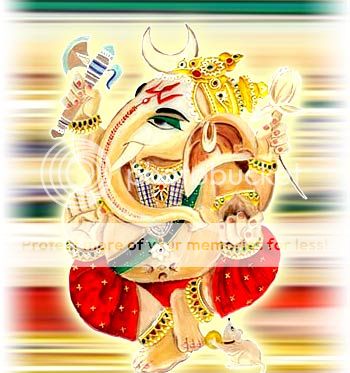
Ganesh Chaturthi
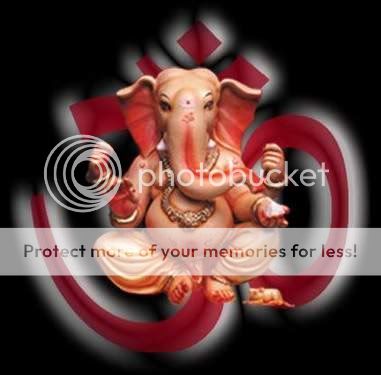
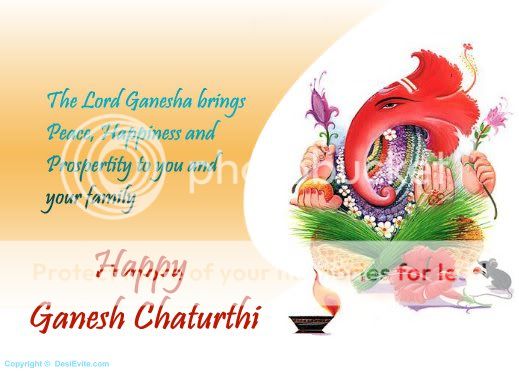
The festival is observed in the month of Bhadrapada, starting on the fourth day of the waxing moon period. The date usually falls between 20 August and 15 September. The festival lasts for 10 days, ending on Anant chaturdashi (fourteenth day of the waxing moon period). While celebrated all over India, it is most elaborate in western and southern India.
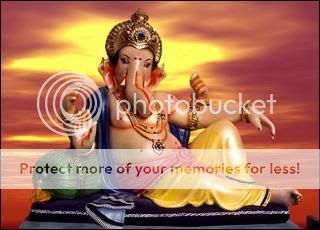
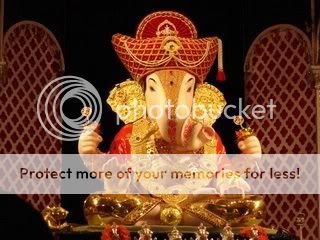
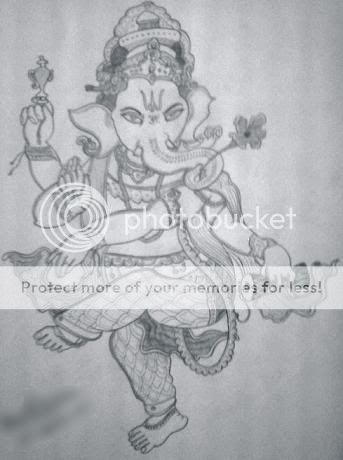
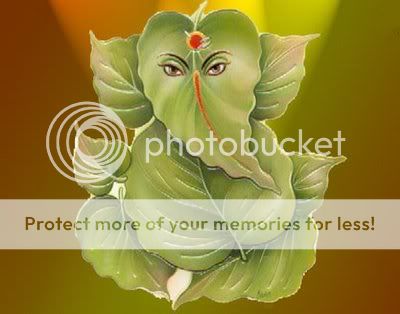
Two to three months prior to Ganesh Chaturthi, artistic clay models of Lord Ganesha are made for sale by specially skilled artisans. They are beautifully decorated & depict Lord Ganesh in various poses. The size of these statues may vary from 3/4 of an inch to over 25 feet.
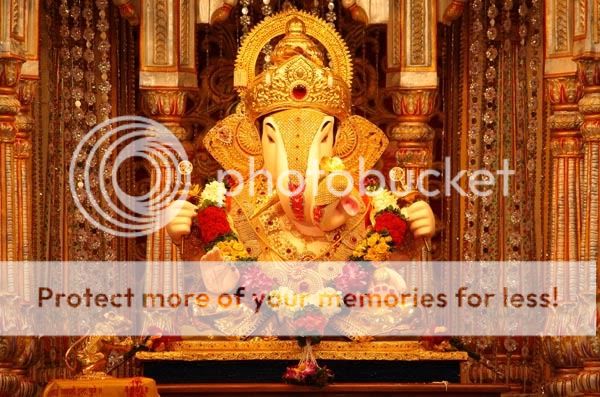
Ganesh Chaturthi starts with the installation of these Ganesh statues in colorfully decorated homes and specially erected temporary structures pendals in every locality. The pandals are erected by the people or a specific society or locality or group by collecting monetary contributions. The mandapas are decorated specially for the festival, either by using decorative items like flower garlands, lights, etc. or are theme based decorations, which depict religious themes or current events.
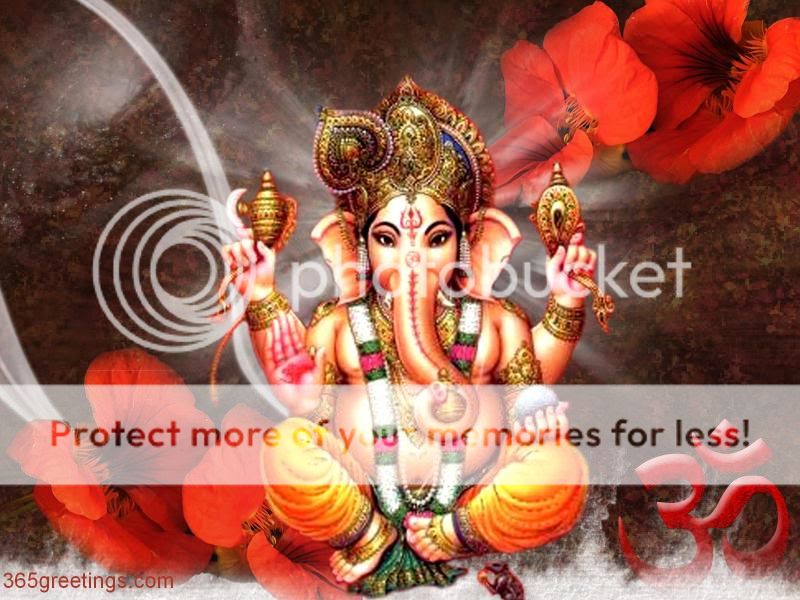
The priest, then symbolically invokes life into the statue by chanting mantras This ritual is the Pranapratishhtha. After this the ritual called as Shhodashopachara (16 ways of paying tribute) follows. Coconut, jaggery, 21 modakas, 21 durva (trefoil) blades of grass and red flowers are offered. The statue is anointed with red unguent, typically made of kumkum & Sandalwood paste . Throughout the ceremony, Vedic hymns from the Rig Veda, the Ganapati Atharva Shirsha Upanishad, and the Ganesha stotra from the Narada Purana are chanted.