

Starry Effect ' Zee Follows Suit
As reported earlier, last week, Star Plus released its comprehensive campaign titled, 'Ode to the Woman', across all media platforms in a conscious attempt to clearly highlight the channel's content philosophy that dub its female protagonists as 'Progressive Woman'.
e4m spoke to Vivek Bahl, Executive Creative Director, Star Network, about the need for taking a stance on defining the channel's positioning. He accredited the move, saying, "I would say 'the progressive woman' has been working for us right through since 2007 with 'Bidaai', 'Yeh Rishta...' and 'Pratigya'. We have decided to brand it since June last year. We have believed in it for a long while, but are only conscious about projecting it now and, therefore, have more checks and balances to ensure that we are following it."
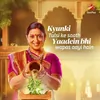
Soon after Star Plus launched Phase II of their repositioning campaign, Zee TV announced a week-long marketing strategy around their show, 'Jhansi Ki Rani', giving special discount offers for women.
h Motwani, Head - Fiction, Zee TV, said, "The classification of channels doesn't make personal sense. It is always interesting female protagonist backed stories that work. Zee has always had strong heroines, and shows with socially inspiring and socially relevant themes, and has always been a family entertainment channel. Whether it's our reality shows or fiction shows, we also stand for the 'underdog'. The heroine or hero is someone who is ordinary, pushed against the wall, but fights it out and emerges a winner."
Define: Progressive
It may be argued that the progressive stance taken by television channels is not 'progressive' in the conventional or literal sense of the word. If looked at closely, what exactly is being termed progressive is highly subjective and contextual. Therefore, we are witnessing a 'progressive woman' deeply rooted in traditional setting, adhering to conventional Indian norms and beliefs, but exercising a 'modern' attitude towards life.
Sukesh Motwani, Head - Fiction, Zee TV, observed, "In terms of depiction, the female protagonist on Hindi GECs over the last decade has become 'more layered and nuanced'. Earlier, she was mostly a middle class bahu of a generically rich looking joint family in a more pan-Indian setting. The current heroine is depicted in varied authentic ways from varied worlds, geographically or demographically. She is far more expressive about her desires, thoughts, manner of expression, language, hopes and aspirations. Today, most story set-ups have become more authentic, rooted and believable, in terms of setting be it urban or small town or rural India and thus, the heroine is also far more realistic."