Page
of
1
Bigg Boss 20: Daily Discussion Thread 23rd Sep 2026

IF Bluffmaster Season 2 (Sign Up Open)
dont like Mahi, Qazi, Uditi and Arishfa

RIP Rani Mukherji’s mother Krishna- Shah Rukh, Alia, Aamir, Aish, Lolo
Dramatic situation - Draupadi's Cheer Haran
The royal court of Hastinapur is filled with tension after the dice game has left the Pandavas defeated and Draupadi has been brought into the assembly. Draupadi is shocked that she has been treated as something that could be wagered, and she demands that the elders answer whether Yudhishthira had the right to stake her after losing himself.
The court falls into an uncomfortable silence. Bhishma struggles with the question of dharma, while Dhritarashtra remains hesitant to intervene. Vidura recognizes the injustice and protests, but his words are ignored. Duryodhana, consumed by pride and anger, continues to insult Draupadi, while Dushasana obeys his brother's command.
Draupadi's fear gradually turns into anger and determination. She looks toward the Pandavas, expecting them to defend her, but they are bound by the consequences of the dice game. Bhima is furious and wants to act, while Arjuna tries to restrain him because of their oath and circumstances.
The most dramatic moment comes when Draupadi realizes that no one in the court is stepping forward to protect her. Instead of surrendering emotionally, she turns completely toward Krishna, placing her faith in him. Her expression changes from desperation to spiritual strength.
As Dushasana attempts to carry out the humiliation, the scene becomes a confrontation between power and righteousness. The court witnesses that Draupadi's dignity cannot simply be taken away by force. Krishna's divine intervention protects her, leaving the assembly stunned.
Afterward, Draupadi's emotions are no longer simply those of a frightened woman. She is hurt, furious and determined that the injustice will have consequences. The incident becomes one of the major turning points leading toward the eventual conflict between the Pandavas and Kauravas.
.
The tale of Failed Dharma
Dushasana forcibly dragged the daughter of fire, the Princess of Panchala, and the Queen of Indraprastha into the royal assembly. Her tear-streaked face was asking a single question to the entire court,
"I carry all these titles, and yet I was treated like property to be staked in a game. I was dragged here by my hair, mocked and stripped of every right I thought royalty guaranteed. Where is the greatness of Hastinapur today?"
Her words were piercing every single person present there,
"How could Yudhishthira stake her when he had already lost himself and was no longer a free man?"
But they only met silence, even from the Kuru elders, whom she had always looked upon, believing that their wisdom and voice would protect dharma. But not anymore.
Where was Bhishma's dharma when a daughter-in-law of the Kuru clan was being humiliated?
Where was Yudhishthira's dharma when he gambled away her freedom?
She knows that nobody has got answers for her, today. All she saw were hung heads of the people who preached Dharma and righteousness, powerless. As for Duryodhana and his brothers, she was a prize won in a rigged game. They hardly cared about any title of hers. Forget titles; they don't even have humanity and righteousness left in them.
She realised that all of them were hollow; the morality they preached was a lie, and expecting anything from this court would be futile.
She stopped pleading. Closing her eyes, she called out to her Sakha, her Krishna.
The helpless victim who had been dragged into the hall was gone. In her place stood an unyielding force of retribution. She would never forget the silence of the elders, nor would she forgive the cruelty of the Kauravas. Her tears were no longer a sign of defeat; it was the seal of a promise that the entire empire was reduced to ashes.
Scene 4 "When Faith Became Her Strength"
The greatest shock for Draupadi was not the insult itself, but the silence that followed it. She looked around the royal assembly, searching the faces of the elders and her husbands for someone who would stand up and say, "Enough." But the hall remained painfully silent.
Her eyes turned towards Bhishma, Drona and Dhritarashtra. The very people she believed would protect dharma were sitting quietly while dharma itself was being questioned. With a trembling but determined voice, she asked, "If a man has already lost himself, does he still have the right to stake his wife?" No one gave her the answer she desperately needed.
Draupadi then looked towards the Pandavas. Her eyes met Bhima's, where anger was burning, but even his strength was bound by the circumstances of the game. For the first time, Draupadi understood that there are moments when even the strongest hands become powerless.
Dushasana moved forward, but something within Draupadi changed. She stopped looking towards the people in the Sabha and closed her eyes. Her hands rose in complete surrender as she called upon her Sakha, Krishna.
"Govinda... today I have no one else to turn to."
And in that moment, her fear began to disappear. She was no longer standing alone in the Sabha; her faith had become her strength. What followed left the entire court stunned, as the attempt to humiliate her could not break her dignity.
Draupadi opened her eyes again, but the woman who had pleaded for justice moments earlier was no longer the same. Her tears had turned into a silent promise that the insult of that day would never be forgotten.
The court had remained silent, but destiny had heard her call. Sometimes, when every human voice falls silent, faith becomes the loudest answer.
Yajnaseni: When the Wise Chose Silence
The Dyut Sabha stands as one of the darkest chapters of the Mahabharata, witnessing a moment where the very men meant to uphold dharma chose instead to look away. Dragged into the assembly, Draupadi did not surrender to fear or despair. Instead, blazing with the fierce, untamed fury of one born directly from sacred fire, she stepped forward not as a victim, but as a living flame. Challenging the assembly's legitimacy, she seared the court with the demand of whether a man who had already lost himself could ever stake his wife. Her words struck like leaping sparks at the foundation of the game, scorching the illusion of righteousness and forcing the learned elders to confront their own moral failing.
Despite the presence of revered figures like Bhishma and Drona, and her own mighty husbands, bound by the rigid circumstances of the play, no one could offer her justice, leaving her to stand entirely alone against the gathering darkness. Yet, Yajnaseni's true strength burned brightest in her absolute refusal to accept humiliation as her destiny. Standing as a sovereign queen defending her dignity, her voice ignited sharply where the wisdom of the elders had turned to ash. Sweeping her gaze across the hall, she locked eyes with the greatest warriors of the age, turning their cowardice inward and casting a suffocating heat over the entire assembly. Her righteous anguish transformed into a blazing indictment of a court that had forgotten its duty, turning her into an unquenchable fire that challenged every spectator who chose complicity over action. Yajnaseni walked through that humiliation with a fire that would remain alive long after the dice had stopped rolling.
The lessons of the Dyut Sabha resonate far beyond antiquity, reminding us that knowledge and power hold little value when those who possess them refuse to act against wrongdoing. Draupadi's fierce stand demonstrates that true dignity can never be extinguished simply because others choose to remain passive in the face of tyranny. Ultimately, her legacy teaches us that dharma is not merely understanding what is right, but possessing the blazing courage to stand for it when it matters most.


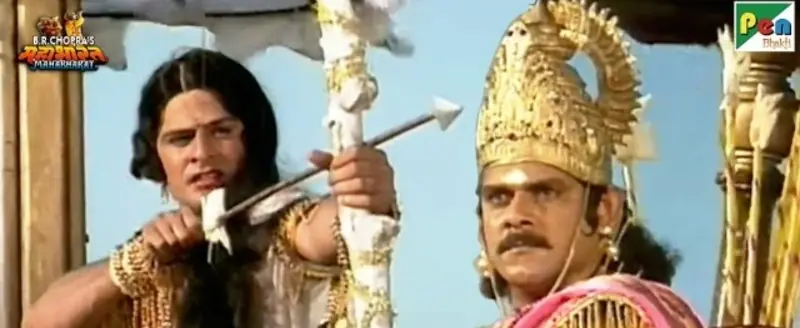
Here's your third scene:
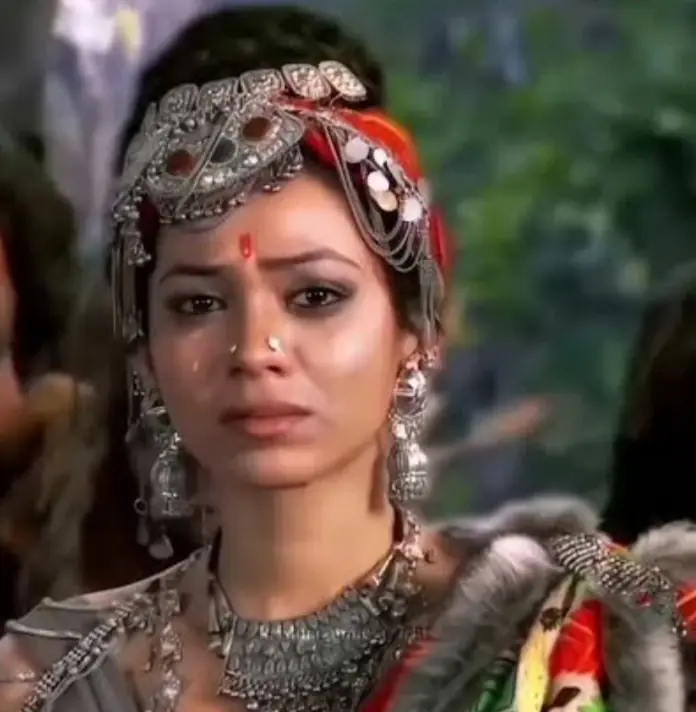
Here's your second scene:
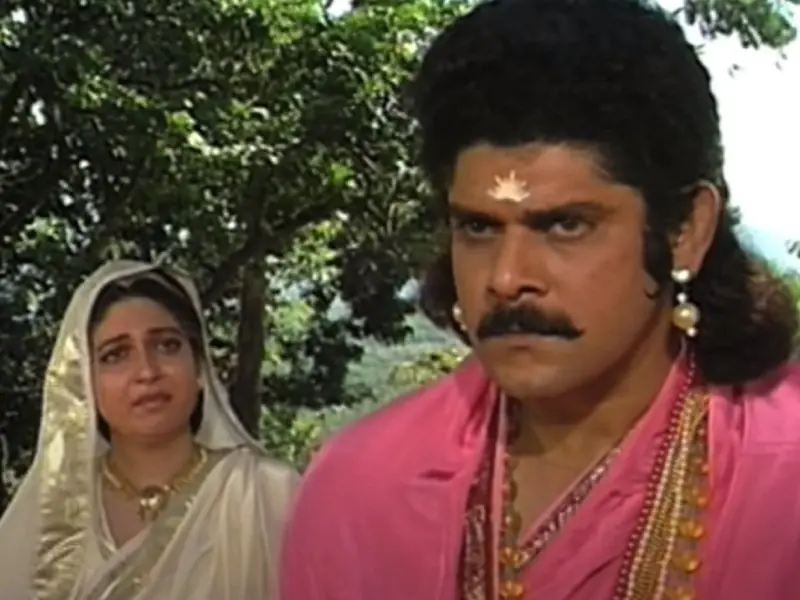
Here's your first scene:














 Cricket
 Yeh Fitoor Tera
 Geet - Hui Sabse Parayee



6