








This is informative regarding foxes' behaviour and their significance in Japanese culture.

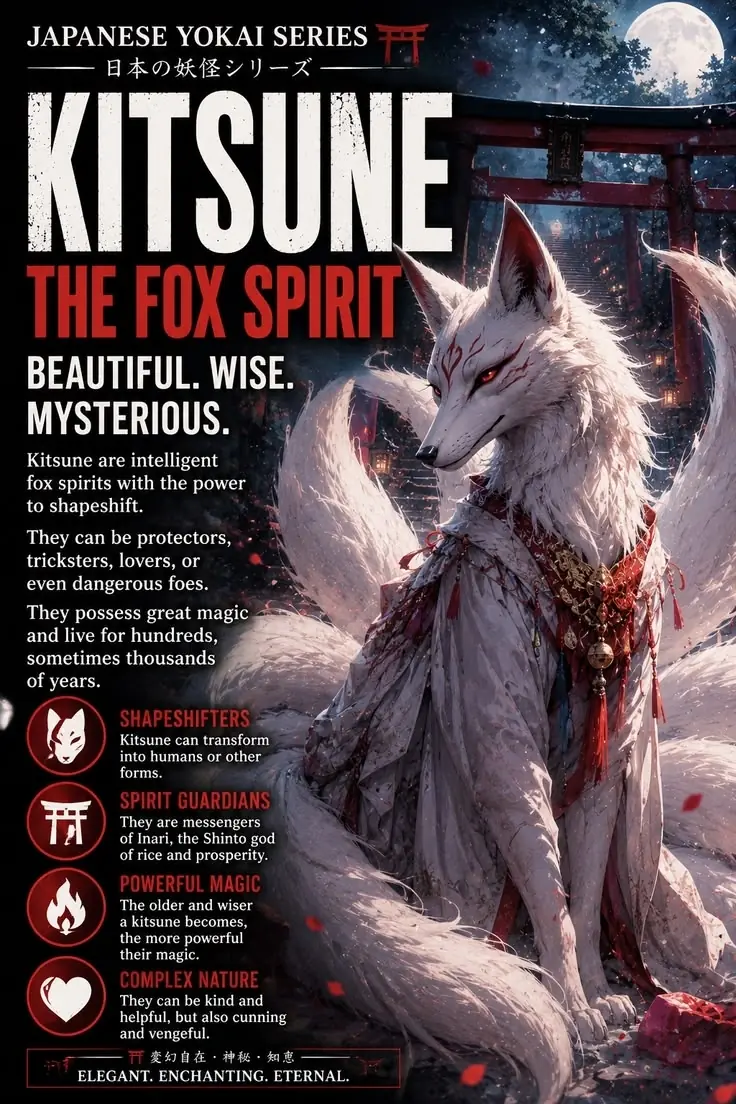
Unlike in East Asian traditions such as the Chinese Huli Jing or Japanese Kitsune, the fox does not hold a major, centralized role as a divine or magical shapeshifter in classical Indian mythology or mainstream Hinduism. However, the animal appears across regional folk traditions, moral fables, and subaltern practices.
Fables and the Trickster Archetype----Panchatantra Tales: In classic Indian animal fables like the Panchatantra, the fox-much like in Western and Aesop's fables-frequently embodies the classic trickster archetype. It uses wit, flattery, and clever strategy to outsmart larger or more powerful predators.
Moral and Karmic Lore: Regional storytelling and folklore occasionally feature the fox in moral allegories (such as the folk tale of the righteous king reborn as a dharmatma or a righteous fox striving to live by higher ethical codes despite its instincts).
Regional and Subaltern Devotional Practice: Folk Traditions in Eastern India: In rural and subaltern practices across Bengal, Odisha, and Assam, local communities historically acknowledged a syncretic relationship with wild animals like foxes and jackals.
Association with Fierce Deities: In regional iconography and 19th-century folk lithographs, scavenger animals (often foxes or jackals) are visually linked with fierce, untamed manifestations of the Goddess (such as Kali or protector spirits of the cremation grounds), symbolizing an acknowledgment of nature's raw and untamed aspects. (Credit: Google)



 108 Base Hospital Uri
 Anupamaa
 Fan Fictions

 Udne Ki Aasha
 Yeh Fitoor Tera


1.4k