

Amid 'Chhaava's dance scene ccontroversy; here's a look at period films that faced outrage
Over the years, several Bollywood period films have faced similar controversies like 'Chhaava did, leading to protests, cuts, and edits. Let’s take a closer look at some notable examples.
Published: Wednesday,Jan 29, 2025 12:35 PM GMT-07:00


Period films have always held a special place in Bollywood. The grandeur, historical significance, and larger-than-life characters make these movies captivating for audiences. However, bringing history to life on screen often comes with its own set of challenges. From hefty budgets to controversies surrounding creative liberties, filmmakers often tread a fine line between art and accuracy.

Recent headlines were made by the Vicky Kaushal-starrer Chhaava, a biopic on Chhatrapati Sambhaji Maharaj. While the trailer received praise for its visuals and performances, a sequence showing Sambhaji Maharaj and Yesubai Bhonsale dancing sparked outrage. Some politicians and social media users criticized the depiction, deeming it inappropriate for the revered historical figure. To avoid further backlash, the filmmakers decided to remove the controversial dance scene.
This incident is not an isolated one. Over the years, several Bollywood period films have faced similar controversies, leading to protests, cuts, and edits. Let’s take a closer look at some notable examples.
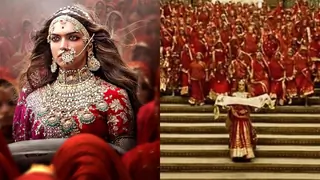
Padmaavat (2018)

Sanjay Leela Bhansali’s magnum opus Padmaavat is arguably the most controversial period film in Bollywood history. Based on the legend of Rani Padmini of Mewar, the movie faced severe backlash even during its production. The Karni Sena, a Rajput organization, protested against the portrayal of Rani Padmini and alleged that the film distorted history.
The trailer’s release intensified the controversy, with claims that the film featured a romantic dream sequence between Rani Padmini (Deepika Padukone) and Alauddin Khilji (Ranveer Singh). Despite Bhansali’s repeated clarifications denying such a scene, the protests escalated, including vandalism on the film’s sets and physical attacks on Bhansali.
The Central Board of Film Certification (CBFC) demanded multiple changes, including the film’s title, which was altered from Padmavati to Padmaavat, to reflect its fictional roots. After months of delays and edits, the film finally released, becoming a box-office success despite the challenges.
Jodhaa Akbar (2008)
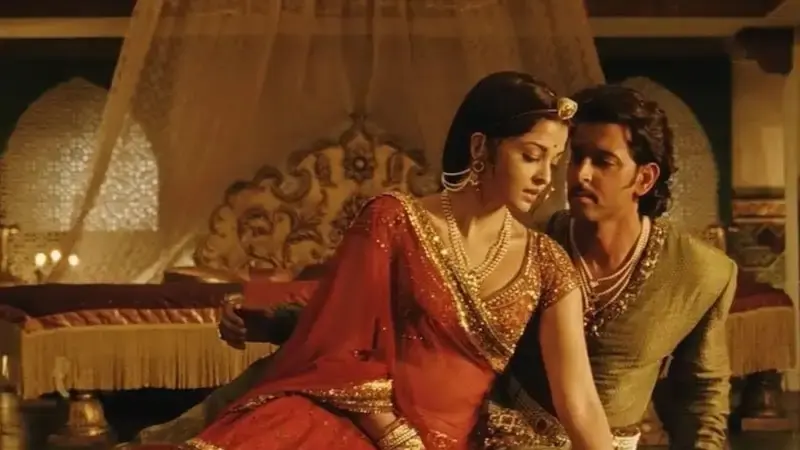
Ashutosh Gowariker’s epic romance Jodhaa Akbar depicted the love story of Mughal Emperor Akbar (Hrithik Roshan) and Rajput princess Jodhaa (Aishwarya Rai). While the film earned critical acclaim, it faced resistance from Rajput groups, who claimed the movie distorted historical facts. They argued that Jodhaa was not Akbar’s wife and accused the film of misrepresenting Rajput culture.
The protests led to the film being banned in Rajasthan and some other states. Despite the opposition, Jodhaa Akbar went on to win numerous awards and performed well at the box office.
Bajirao Mastani (2015)

Another Sanjay Leela Bhansali masterpiece, Bajirao Mastani, explored the love story between Maratha Peshwa Bajirao I (Ranveer Singh) and his second wife Mastani (Deepika Padukone). While the film was lauded for its visual grandeur and performances, it faced opposition from certain sections of the Maratha community.
Critics argued that the film misrepresented Bajirao’s relationship with Mastani and disrespected his first wife, Kashibai (played by Priyanka Chopra). The song Pinga, featuring Kashibai and Mastani dancing together, became a focal point of controversy, as historians claimed such a meeting never occurred. Despite protests and calls for edits, the film released without major cuts and achieved commercial success.
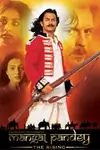
Mangal Pandey: The Rising (2005)
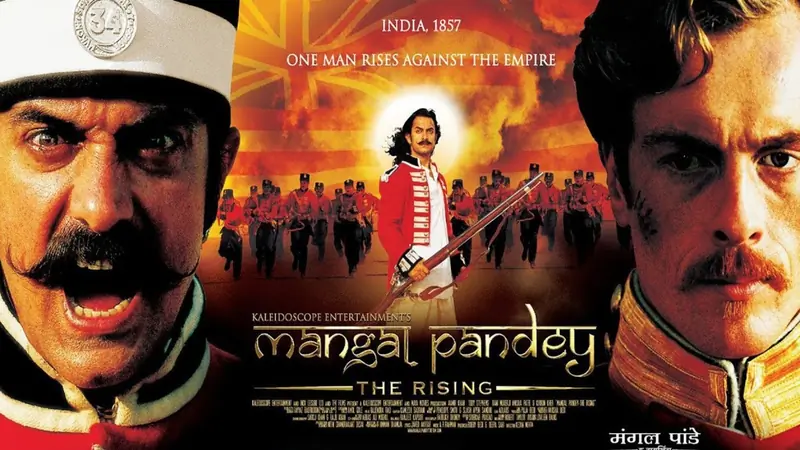
Aamir Khan’s Mangal Pandey: The Rising was a patriotic tribute to the eponymous soldier who sparked India’s First War of Independence in 1857. However, the film drew criticism from historians and certain sections of the public for its alleged historical inaccuracies.
The portrayal of Mangal Pandey’s relationship with a British woman and other fictionalized elements raised objections. Some historians argued that the film disrespected the legacy of Mangal Pandey by adding unnecessary dramatic subplots. Protests erupted in parts of Uttar Pradesh, and the filmmakers had to defend their creative choices publicly.
Kesari (2019)
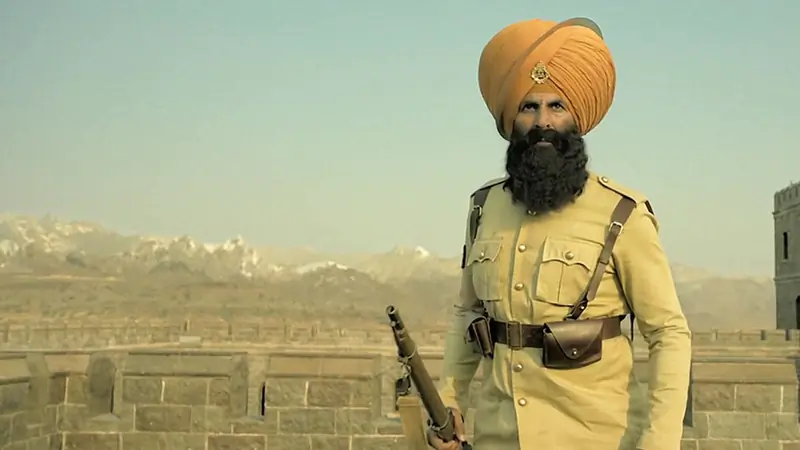
Akshay Kumar’s Kesari brought to life the historic Battle of Saragarhi, in which 21 Sikh soldiers fought valiantly against thousands of Afghan invaders. While the film’s patriotic themes were widely appreciated, it didn’t escape controversy.
Some Sikh groups raised concerns about inaccuracies in the film’s depiction of Sikh customs and historical events. Though the controversies were relatively mild compared to other period films, the filmmakers had to address the grievances and ensure respectful representation of Sikh culture.
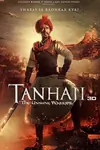
Tanhaji: The Unsung Warrior (2020)
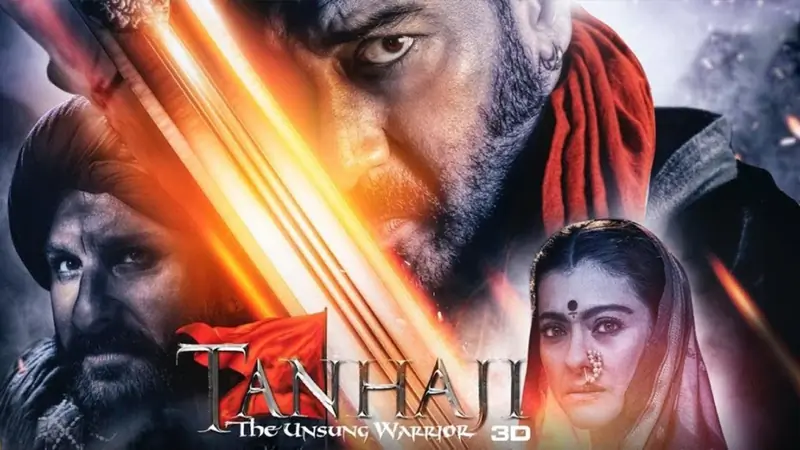
Ajay Devgn’s Tanhaji: The Unsung Warrior celebrated the valor of Maratha warrior Tanhaji Malusare. The film was a massive box-office hit, but it wasn’t without controversies. Critics accused the film of glorifying certain historical figures while demonizing others, particularly the portrayal of Mughal general Udaybhan Rathod (Saif Ali Khan).
Political undertones in the narrative also sparked debates, with some claiming the film promoted a biased version of history. Despite the controversies, Tanhaji emerged as a commercial success and received praise for its action sequences and visual effects.
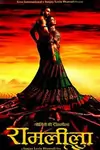
Goliyon Ki Raasleela Ram-Leela (2013)

Sanjay Leela Bhansali’s Goliyon Ki Raasleela Ram-Leela (commonly referred to as Ramleela) was a modern reimagining of Shakespeare’s Romeo and Juliet, set in a fictionalized Gujarati backdrop. The film faced multiple controversies, primarily due to its title and religious references.
Several groups protested the use of the word “Ramleela” in the title, claiming it hurt religious sentiments as it was associated with the Hindu epic Ramayana. Legal cases were filed against the filmmakers, and the title was eventually changed to Goliyon Ki Raasleela Ram-Leela to pacify the protestors. Despite the hurdles, the film was a critical and commercial success, praised for its vibrant visuals, music, and performances by Ranveer Singh and Deepika Padukone.
Poll
Do you think makers should have creative liberty to twist things in historical events in f
Join Our WhatsApp Channel
Stay updated with the latest news, gossip, and hot discussions. Be a part of our WhatsApp family now!
Join NowYour reaction
 Nice
Nice Great
Great Loved
Loved LOL
LOL OMG
OMG Cry
Cry Fail
Fail



Jodhaa Akbar
Mangal Pandey: The Rising

Bajirao Mastani
Tanhaji: The Unsung Warrior
Goliyon Ki Raasleela Ram-Leela

Kesari

Padmaavat








2 Comments